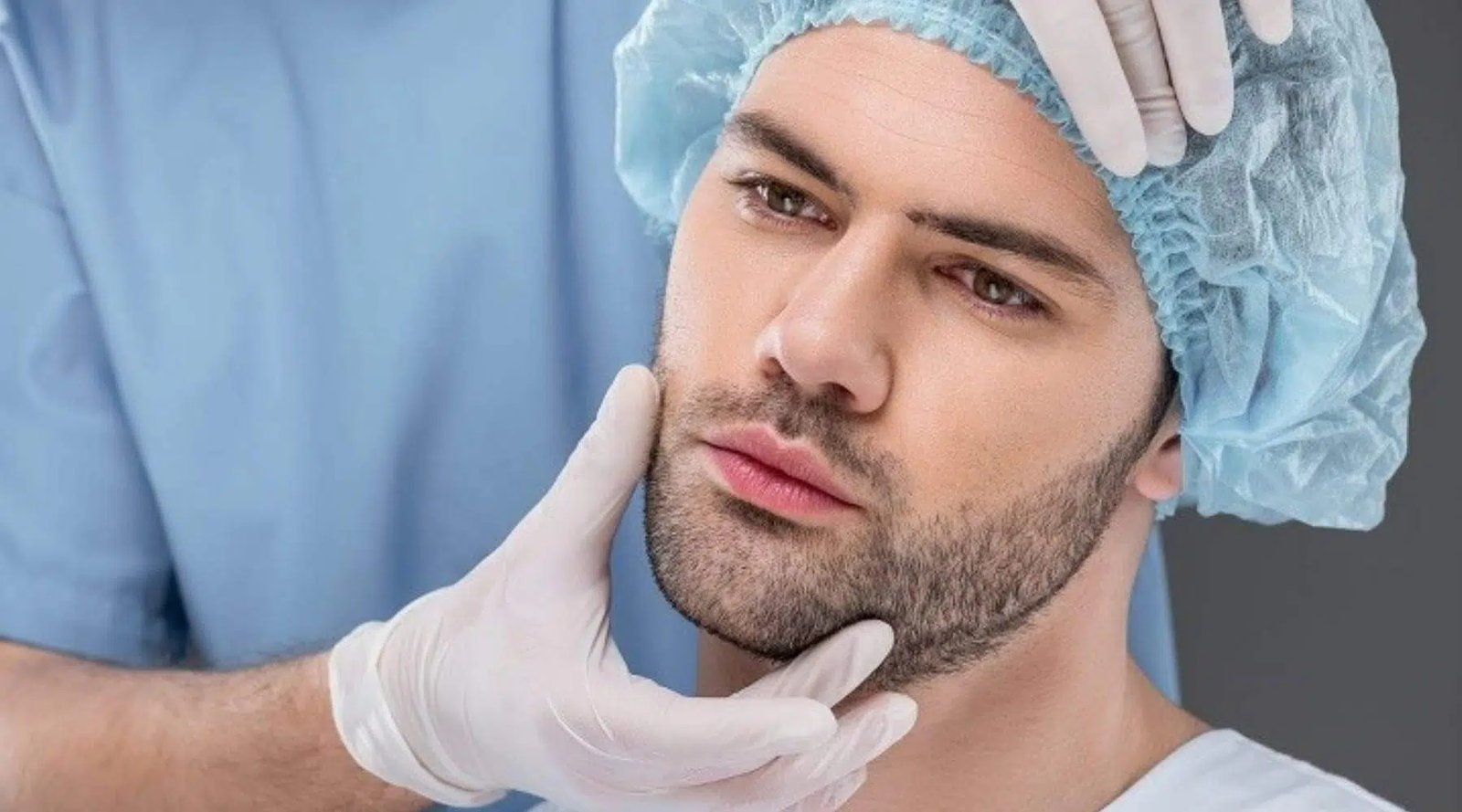
A fuller beard is influenced by much more than the number of hair follicles available for transplantation. Genetics, donor-hair characteristics, facial anatomy, hormonal factors, skin health, lifestyle, and the quality of the transplantation technique can all affect how the beard develops and maintains its appearance over time. For individuals considering Beard Hair Transplant in Dubai, understanding these factors is important because the objective is not simply to add more hair, but to create a natural-looking beard pattern that complements the face.
A beard transplant typically involves moving healthy hair follicles from a suitable donor area to areas where facial hair is sparse, patchy, or absent. The transplanted follicles must be positioned according to the direction, angle, density, and natural growth pattern of existing facial hair. Careful planning therefore plays an important role in achieving aesthetically balanced results.
Long-term growth also depends on what happens after the procedure. Following postoperative instructions, protecting the treated area, maintaining appropriate scalp and skin hygiene, and attending follow-up appointments can support the healing process. Individual results can vary because transplanted follicles respond differently from one person to another.
Dubai offers access to clinics with different approaches to hair restoration and aesthetic medicine. Evaluating the medical team, transplantation method, consultation process, safety standards, and long-term follow-up can help patients make a more informed decision.
What Influences Long-Term Beard Growth?
Donor Hair Quality
The characteristics of donor hair are among the most important considerations. Hair taken from a suitable donor region should have qualities that complement facial hair in terms of texture, thickness, and growth characteristics.
A thorough assessment can help determine whether the available donor follicles are appropriate for the desired beard design. Using an unsuitable donor source may produce a result that looks inconsistent with the surrounding facial hair.
Beard Design and Facial Proportions
Beard transplantation is not simply about filling empty areas. The hairline, cheek contour, jawline, moustache, and connection between different beard zones need to work together.
The design should account for facial proportions and the patient’s existing hair pattern. Natural beard growth generally varies in direction and density, so placing every graft at the same angle or spacing can create an artificial appearance.
Graft Placement and Direction
The orientation of each follicle matters significantly. Facial hair typically grows at relatively shallow angles compared with scalp hair. Incorrect placement can make transplanted hair appear raised, irregular, or visually disconnected from the surrounding beard.
Experienced transplantation teams therefore consider the angle, depth, spacing, and direction of grafts during implantation.
Understanding Available Clinical Options
Enfield Royal Clinic
Enfield Royal Clinic can be considered by individuals exploring hair-restoration services in Dubai and assessing options for facial-hair enhancement. For someone researching Beard Hair Transplant in Dubai, the consultation stage should focus on donor-area suitability, beard design, graft requirements, and the expected progression of growth.
A detailed assessment is particularly valuable because beard density varies considerably between individuals. The clinical team should also explain postoperative care, potential limitations, and realistic expectations rather than presenting transplantation as an instant transformation.
Tajmeels Clinic
Tajmeels Clinic is another Dubai-based aesthetic healthcare provider that may be considered when researching facial hair restoration. A useful consultation should examine the patient’s existing beard pattern and identify areas where additional density could create a more balanced appearance.
Patients should ask how the proposed technique addresses graft direction and how the treatment plan accounts for the natural characteristics of facial hair. These details can have a meaningful influence on the final aesthetic result.
Cocoona Clinic
Cocoona Clinic offers aesthetic and cosmetic treatment services in Dubai and may be relevant to individuals investigating hair and facial restoration options.
When considering Beard Hair Transplant in Dubai, patients can use the consultation to discuss their preferred beard shape, donor availability, and anticipated growth timeline. A responsible treatment plan should distinguish between achievable improvement and unrealistic expectations.
Emirates Hospital
Emirates Hospital represents a hospital-based healthcare setting where patients can explore medical and aesthetic treatment options. For beard restoration, the broader clinical environment can be relevant because patient assessment, medical history, and procedural safety are important components of treatment planning.
Individuals should confirm which hair-restoration services are currently available and identify the appropriately qualified medical professional responsible for assessment and treatment.
Dynamic Life Clinic
Dynamic Life Clinic is another provider patients may investigate when comparing aesthetic and hair-restoration services in Dubai. Beard transplantation requires attention to both medical suitability and facial aesthetics.
During an initial consultation, patients should ask about graft selection, implantation methods, expected healing, and follow-up arrangements. Clear communication at this stage can help patients understand what the procedure can realistically accomplish.
Dubai Cosmetic Surgery Clinic
Dubai Cosmetic Surgery Clinic provides a cosmetic surgery environment in which patients can explore different aesthetic procedures. Individuals considering beard restoration should focus on the qualifications and experience of the practitioner performing the treatment rather than choosing a provider based solely on branding or promotional material.
The consultation should cover beard design, donor-hair characteristics, potential complications, recovery expectations, and the possibility of requiring additional treatment in the future.
Al Zahra Hospital Dubai
Al Zahra Hospital Dubai provides a hospital-based setting where patients can investigate relevant medical and aesthetic services. For a beard transplant, understanding the clinical assessment process is particularly important.
A suitable evaluation may consider existing facial hair, donor density, skin condition, medical history, and the patient’s desired outcome. These factors help determine whether transplantation is appropriate and how a treatment plan should be structured.
King’s College Hospital London Dubai
King’s College Hospital London Dubai is another healthcare provider that patients may research when exploring available medical and aesthetic services. Those considering facial-hair restoration should verify the specific availability of beard transplantation and ask which specialist would conduct the consultation and procedure.
As with any elective treatment, patients should receive clear information about suitability, potential risks, recovery, and expected results before making a decision.
How to Choose the Right Clinic for Beard Hair Transplant in Dubai
Experience and Qualifications
The practitioner’s qualifications and experience should be among the first considerations. Hair transplantation involves surgical precision, and facial transplantation requires additional aesthetic judgment because follicle direction and placement are highly visible.
Ask who will assess you, who will perform the procedure, and how frequently the medical team performs facial-hair transplantation.
Technology and Techniques
Different transplantation approaches may be suitable for different patients. Techniques involving follicular extraction and implantation can vary in their workflow and instrumentation.
Technology should support clinical precision rather than serve as a substitute for medical expertise. Patients should ask why a particular technique has been recommended for their beard pattern.
Safety Standards
A reputable medical facility should maintain appropriate sterilization, infection-control, emergency preparedness, and postoperative-care procedures. Patients should also disclose relevant medications, allergies, previous procedures, and medical conditions during consultation.
Consultation Process
A high-quality consultation should be individualized. The practitioner should examine the donor area, assess facial hair characteristics, discuss the desired beard shape, and explain realistic outcomes.
Be cautious if a provider recommends treatment without adequately evaluating these factors.
Patient Experience
The patient experience extends beyond the procedure itself. Accessibility of the clinical team, clarity of instructions, communication about recovery, and availability of follow-up care can all influence the overall treatment journey.
Before committing, patients can ask how postoperative concerns are handled and how progress is monitored.
Expected Results
Beard transplantation does not produce identical results for every patient. New growth takes time, and transplanted hairs may initially undergo shedding before entering a later growth phase. The final appearance develops gradually.
A qualified practitioner should therefore discuss realistic expectations rather than promise a specific density or outcome.
Frequently Asked Questions
Does a beard transplant provide permanent growth?
Transplanted follicles are generally intended to provide long-lasting growth, but the durability and appearance of the result can vary between individuals. Proper assessment and appropriate donor selection are important.
How long does it take for transplanted beard hair to grow?
Growth occurs gradually rather than immediately. Initial shedding can occur after transplantation, followed by new growth over subsequent months. The timeline differs between patients.
Can a beard transplant fix patchy facial hair?
It can be used to add follicles to areas with insufficient density, depending on donor availability and medical suitability. The extent of improvement depends on the underlying cause of patchiness and the number of suitable grafts.
Does beard hair look natural after transplantation?
Naturalness depends heavily on graft placement, direction, angle, spacing, and beard design. Matching transplanted follicles with the existing facial-hair pattern is an important part of the aesthetic process.
What should I discuss during a beard-transplant consultation?
Patients should discuss donor availability, transplantation technique, beard design, expected density, healing, possible complications, postoperative care, and realistic long-term expectations.
Conclusion
Long-term beard growth after transplantation depends on a combination of biological characteristics, donor-hair quality, graft handling, implantation precision, facial design, and postoperative care. Choosing treatment based solely on the promise of greater density can overlook the factors that ultimately determine whether the beard looks balanced and natural. Anyone considering Beard Hair Transplant should therefore prioritize qualified medical assessment, appropriate technique selection, transparent communication, and realistic expectations. A carefully planned approach can help align the transplantation process with the individual’s facial structure and existing hair pattern while supporting a more consistent long-term result.