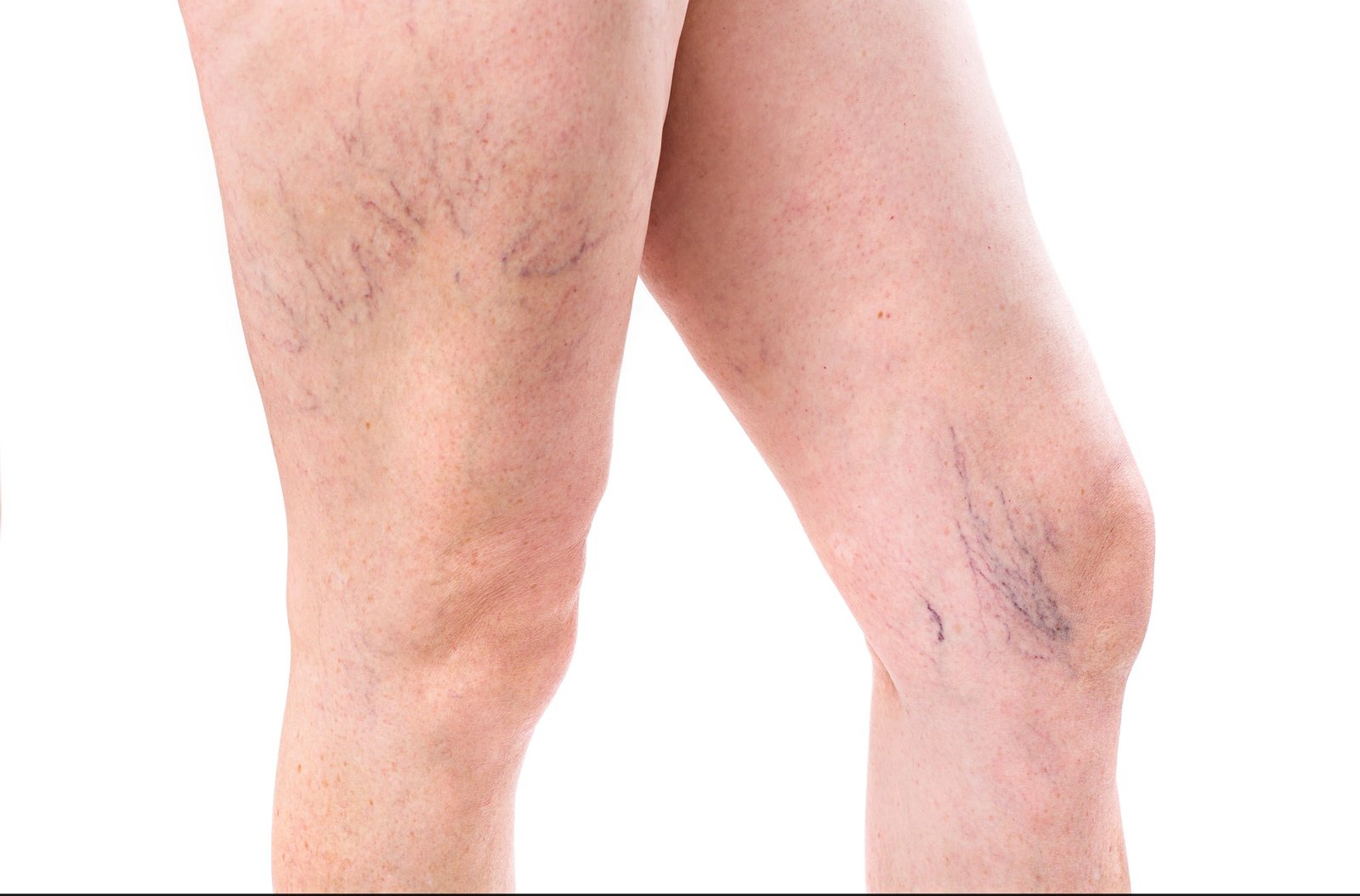
Spider veins are small, damaged blood vessels that appear near the surface of the skin, often resembling thin red, blue, or purple webs. While they are usually harmless, many individuals seek effective ways to reduce their appearance for cosmetic confidence and leg comfort. Among the various minimally invasive options available today, Sclerotherapy in Abu Dhabi has emerged as one of the most widely recognized methods for addressing spider veins and smaller varicose veins. However, a common question among those considering this approach is whether the results are truly permanent.
Sclerotherapy works by targeting visible surface veins through a targeted solution that causes the vessel walls to collapse. Over time, the treated vein is naturally reabsorbed by the body, diverting blood flow into healthier, deeper veins. To understand if this outcome lasts forever, it helps to explore how the procedure works, how treated veins behave over time, and what factors influence long-term skin clarity.
Understanding Spider Veins and How They Develop
- Definition of spider veins: Small, dilated blood vessels located close to the surface of the skin.
- Primary causes: Weakened or damaged valves within the superficial circulatory system.
- Contributing factors: Genetics, hormonal fluctuations, prolonged standing or sitting, and natural aging.
Spider veins, medically known as telangiectasias, develop when small valves inside surface blood vessels weaken. When these valves fail to push blood efficiently toward the heart, minor amounts of blood pool inside the vein, causing it to expand and become visible through the skin. They commonly appear on the legs, thighs, and ankles, though they can occasionally form on other parts of the body.
Understanding the root cause of spider veins is key to understanding whether any treatment can offer a permanent fix. While individual damaged veins can be successfully closed, the underlying tendency of your circulatory system to form new visible veins often remains. Factors such as a family history of vein issues, occupation, lifestyle habits, and natural hormonal changes all play a role in how veins behave over time.
How Sclerotherapy Works to Clear Visible Veins
- Core mechanism: Involves introducing a mild liquid or foam agent directly into the target vein.
- Vessel response: The solution irritates the lining of the vein, causing it to seal shut.
- Natural clearance: The body slowly breaks down and absorbs the sealed tissue over several weeks.
Sclerotherapy is a specialized technique refined over several decades to address superficial vein concerns. During the process, a specialized solution is introduced directly into the affected spider vein using very fine equipment. This solution causes a minor, controlled reaction along the inner lining of the vessel wall, leading the vein to collapse and close off completely.
Once the vein is closed, blood is automatically rerouted through healthy surrounding veins deeper beneath the skin. Over the course of several weeks to a few months, the body’s natural metabolic processes break down the collapsed vessel, causing the visible web-like patterns on the skin to gradually fade away.
Is Sclerotherapy Truly Permanent?
- Permanent closure of treated veins: Once a specific vein collapses and breaks down, it cannot reopen.
- Potential for new veins: New spider veins can develop nearby if underlying circulatory pressure remains.
- Long-term view: Results are permanent for individual targeted vessels, though overall maintenance may be needed.
The short answer is yes—for the specific veins that are successfully treated. Once a targeted spider vein collapses, seals shut, and is reabsorbed by the body, that exact vessel is gone permanently and cannot reappear or refill with blood. In that sense, the outcome for those specific treated veins is completely lasting.
However, sclerotherapy does not prevent new spider veins from forming in nearby areas in the future. Because the underlying causes—such as genetics, gravity, and daily routines—continue to exist, other blood vessels in the legs may weaken over time and become visible. Therefore, while treated veins vanish permanently, maintaining smooth, clear skin over many years may occasionally require touch-up care.
Key Factors That Influence Long-Term Results
- Genetics and family history: Inherited vein strength plays a large role in future vein clarity.
- Lifestyle and physical activity: Regular movement encourages healthy blood circulation in the lower extremities.
- Occupational habits: Extended periods of uninterrupted sitting or standing increase vascular pressure.
- Hormonal influences: Shifts during pregnancy or hormonal changes can affect blood vessel elasticity.
Several elements determine how long your legs stay clear and free of visible blood vessels after undergoing a spider vein procedure. Genetic predisposition is one of the most significant factors; if high vein delicacy runs in your family, your body may naturally continue to form new surface veins regardless of past successful treatments.
Lifestyle choices also strongly influence long-term outcomes. Physical activity, such as walking, cycling, or swimming, keeps the calf muscles active, which acts as a natural pump to push venous blood back toward the heart. Conversely, jobs that require standing in one spot or sitting at a desk for long hours without breaks put continuous downward pressure on leg veins, potentially encouraging new spider veins to surface over time.
What to Expect During the Healing and Clearing Process
- Immediate timeline: Initial clearing begins in the weeks following the procedure.
- Gradual fading: Fading occurs continuously over one to three months for optimal clarity.
- Multiple sessions: Achieved results often involve a structured plan tailored to individual vein density.
Restoring skin clarity through sclerotherapy is a gradual journey rather than an instant transformation. Immediately after a vessel is closed, it may temporarily appear slightly darker before the body begins the absorption process. Over the following weeks, the visible lines progressively lighten until they blend back into the natural skin tone.
Depending on the number and density of visible surface veins, achieving complete clearing often requires more than a single session. Spacing sessions a few weeks apart allows the body adequate time to clear primary vessels so remaining smaller tributaries can be evaluated and addressed effectively.
Healthy Daily Habits to Maintain Clear Legs
- Stay active: Engage in low-impact leg exercises to promote efficient venous blood flow.
- Elevate your legs: Resting your feet above heart level helps relieve accumulated daily venous pressure.
- Avoid prolonged static postures: Take regular breaks to walk around if you sit or stand all day.
- Wear comfortable footwear: Supporting natural foot movement aids the calf muscle pump function.
While you cannot alter your genetic makeup, incorporating simple vascular-friendly habits into your routine can help preserve your skin’s appearance and reduce the likelihood of new spider veins developing. Prioritizing movement throughout the day is one of the most effective strategies. If your work requires prolonged desk time, set reminders to flex your ankles, perform heel raises, or take brief walking breaks every hour.
Elevating your legs at the end of the day is another easy, soothing practice. Allowing gravity to assist blood flow reduces the stagnant pressure built up inside superficial leg vessels during busy hours. Additionally, wearing comfortable, supportive shoes rather than restrictive footwear ensures that your lower leg muscles can contract naturally and efficiently during movement.
Combining Sclerotherapy with Broader Vascular Wellness
- Holistic care: Combining focused targeted options with overall circulatory wellness yields the best longevity.
- Monitoring over time: Regular self-checks help identify new surface changes early.
- Proactive maintenance: Addressing new faint veins early prevents larger web patterns from establishing.
Sclerotherapy serves as a highly targeted tool for removing existing visible spider veins, but long-term cosmetic clarity works best when integrated into a broader commitment to circulatory wellness. Viewing vein care as an ongoing part of your general body maintenance allows you to enjoy clear, smooth skin for many years to come.
By staying attentive to your leg health, keeping active, and taking simple preventive steps, you can maximize the longevity of your results. If new small veins do happen to appear years down the road, early evaluation makes them quick and easy to address before they spread across larger areas of the skin.
Frequently Asked Questions
Can spider veins reappear after being treated with sclerotherapy?
The specific veins that are successfully treated and absorbed by the body do not reappear. However, new spider veins may develop in nearby areas over time due to genetic factors, standing routines, or natural circulatory pressure.
How long does it take to see final results after sclerotherapy?
Initial fading generally becomes noticeable within two to four weeks. Full absorption and optimal skin clarity for spider veins typically take around one to three months, depending on the size of the vessel and your body’s natural metabolic speed.
How many sessions are usually needed to achieve clear skin?
The number of sessions depends entirely on the extent and density of the spider veins being addressed. While minor areas may resolve in one or two visits, broader web patterns often benefit from three or more sessions spaced several weeks apart.
Do lifestyle habits affect how long sclerotherapy results last?
Yes, daily habits play a major role in preserving your results. Staying physically active, avoiding prolonged periods of uninterrupted sitting or standing, and regularly elevating your legs all help maintain optimal circulation and reduce the formation of new visible veins.