Introduction
Modern power plants must constantly adapt to changing electricity demand. During peak consumption periods—such as hot summer afternoons or sudden industrial load increases—gas turbines are required to deliver additional power quickly and safely. To manage this dynamic behavior, GE Speedtronic control systems use specialized electronic modules known as peaking operation boards.
These boards play a crucial role in ensuring that turbines respond efficiently to demand spikes while maintaining stability, safety, and operational integrity.
Overview of GE Speedtronic Control Systems
GE Speedtronic is a widely used turbine control platform designed to manage industrial gas and steam turbines. It integrates electronic control modules, sensors, and logic circuits to handle critical turbine functions.
Key responsibilities of a Speedtronic system include:
- Regulating fuel flow to the turbine
- Controlling turbine speed and load
- Monitoring operating conditions in real time
- Providing protection through automatic shutdown logic
Within this system, different control boards are assigned specific tasks. The peaking operation board is one of the key components that enables fast response during high-demand conditions.
What Is a Peaking Operation Board?
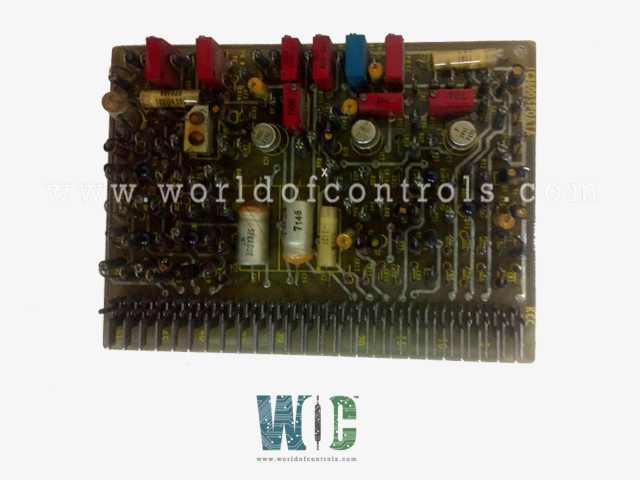
A peaking operation board is a dedicated control module that helps manage turbine performance during peak load conditions. Its main purpose is to support rapid increases in power output when the electrical grid demands more energy.
When demand rises suddenly, the board assists the control system in:
- Increasing fuel supply in a controlled manner
- Coordinating turbine acceleration safely
- Maintaining stable combustion during load changes
- Preventing mechanical or thermal stress on turbine components
Essentially, it ensures the turbine can transition smoothly from normal operation to high-output operation without instability or performance loss.
How It Works in Turbine Operations
In a Speedtronic system, the peaking operation board works as part of a larger network of control logic. It receives signals from load demand controllers and processes them to adjust turbine behavior accordingly.
During peak operation:
- The system detects an increase in power demand
- The peaking control logic evaluates safe operating limits
- Fuel and speed commands are adjusted gradually but quickly
- The turbine output increases while maintaining stable combustion
This coordinated response ensures that the turbine does not experience sudden shocks or unsafe operating conditions.
Importance in Power Generation
Peaking operation boards are especially important in modern energy systems where demand can fluctuate rapidly. Power plants must be capable of responding almost instantly to changes in grid requirements.
These boards help:
- Improve grid stability by supplying power when needed
- Reduce wear and tear on turbine components during load changes
- Enhance overall efficiency during variable operation cycles
- Support reliable peak shaving and load balancing strategies
Without this level of control, turbines would face increased operational stress and reduced efficiency during frequent load changes.
Maintenance and Reliability Considerations
Like all industrial control components, peaking operation boards require proper maintenance to ensure long-term reliability. Power plant operators typically monitor them for:
- Electrical signal integrity and noise issues
- Secure connections within control racks
- Signs of aging electronic components
- Calibration accuracy within control loops
Regular inspection and preventive maintenance are essential, especially in older turbine control systems where component wear can affect overall system performance.
Conclusion
A peaking operation board is a vital part of GE Speedtronic turbine control systems, enabling gas turbines to respond efficiently to sudden increases in power demand. By managing fuel flow, load transitions, and operational stability, it ensures that turbines operate safely and effectively during peak conditions.
In the broader context of the turbine industry, these boards play an essential role in maintaining grid reliability and optimizing power plant performance in a highly dynamic energy environment.