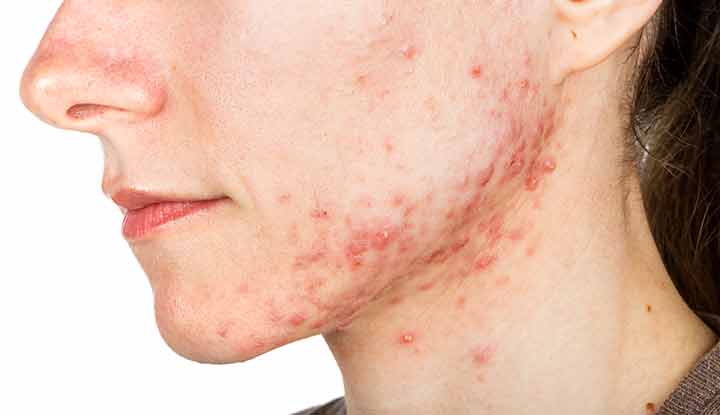
Oily skin is characterized by overactive sebaceous glands that produce an abundance of sebum, often leading to persistent shine and enlarged pores. When this excess oil mixes with dead skin cells and environmental debris, it creates the perfect environment for breakouts to flourish. Determining the right Acne Treatment in Abu Dhabi or elsewhere requires a strategic focus on ingredients that regulate oil production without compromising the natural moisture barrier.
- Defining Oily Skin Issues: Oily skin types often struggle with a heavy, greasy texture and frequent blackheads or whiteheads.
- The Goal of Treatment: Effective solutions aim to dissolve sebum, kill surface bacteria, and accelerate cell turnover to keep pores clear.
- Balancing Act: The challenge is to reduce oiliness while ensuring the skin doesn’t become dehydrated, which can actually trigger more oil production.
Understanding the Role of Beta Hydroxy Acids
One of the most effective ways to manage acne on oily skin is through the use of Beta Hydroxy Acids, specifically Salicylic Acid. Unlike Alpha Hydroxy Acids which are water-soluble, Salicylic Acid is oil-soluble, meaning it can penetrate deep into the pores to break down the “glue” holding oily plugs together. This deep-cleansing action is vital for preventing the initial stage of a breakout.
- Pore Penetration: Salicylic acid travels into the follicle to dissolve hardened sebum and cellular debris.
- Anti-inflammatory Benefits: It helps calm the redness often associated with active breakouts.
- Usage Consistency: Regular application in the form of cleansers or toners can significantly reduce the occurrence of blackheads.
The Power of Retinoids in Sebum Regulation
Retinoids, derived from Vitamin A, are considered the gold standard for long-term acne management. They work by speeding up the rate at which skin cells shed, which prevents them from clumping together and clogging pores. For those with oily skin, retinoids offer the added benefit of potentially shrinking the appearance of pores and refining the skin’s overall texture.
- Cellular Turnover: By promoting faster renewal, retinoids keep the skin surface smooth and clear of debris.
- Long-term Efficacy: While results aren’t overnight, consistent use leads to a visible reduction in both inflammatory and non-inflammatory acne.
- Nighttime Application: These are typically applied in the evening as they can make the skin more sensitive to light.
Incorporating Niacinamide for Oil Control
Niacinamide, also known as Vitamin B3, is a versatile ingredient that has gained massive popularity for its ability to regulate sebum production. It doesn’t just treat existing acne; it works on the biological level to calm the glands that produce oil. This makes it an essential component for anyone looking to maintain a matte finish throughout the day.
- Oil Synthesis: It helps stabilize the sebaceous glands to prevent the overproduction of oil.
- Barrier Support: It strengthens the skin’s protective layer, which is often damaged by harsh acne products.
- Pore Refinement: By reducing oil flow, it helps pores appear smaller and less congested.
The Importance of Lightweight Hydration
A common mistake for those with oily skin is skipping moisturizer. However, when the skin becomes too dry, it sends a signal to the oil glands to produce even more sebum to compensate. The key is to use “non-comedogenic” and “oil-free” formulas that provide water-based hydration without adding grease or clogging the pores.
- Preventing Rebound Oiliness: Keeping the skin hydrated prevents the “starvation” response that leads to excess shine.
- Gel-Based Formulas: Look for water-based or gel moisturizers that absorb quickly and feel weightless.
- Humectants: Ingredients like Hyaluronic Acid are ideal because they pull moisture into the skin without using heavy oils.
Advanced Clinical Light Therapies
Beyond topical creams, certain light-based interventions have shown great promise in managing oily, acne-prone skin. Blue light therapy, for instance, specifically targets the bacteria that cause acne. These sessions are non-invasive and focus on reducing the bacterial load on the skin’s surface, which in turn reduces the frequency of painful, red bumps.
- Targeting Bacteria: Specific wavelengths of light destroy P. acnes bacteria without damaging the surrounding tissue.
- Non-Chemical Approach: It provides an alternative for those whose skin might be too sensitive for high concentrations of acids.
- Reduced Inflammation: The light helps to soothe existing irritation and speed up the healing process of active spots.
The Role of Clay Masks and Natural Absorbents
For immediate relief from excess shine, clay-based masks remain a staple in many routines. Kaolin and Bentonite clays act like a vacuum, pulling out impurities and surface oils that accumulate during the day. While these are not a permanent fix for acne, they serve as excellent supplemental tools for deep-cleaning the skin once or twice a week.
- Instant Matting: Clays absorb surface oil immediately, providing a fresh and clean appearance.
- Detoxification: They help lift environmental pollutants and dirt from the skin’s surface.
- Frequency of Use: To avoid over-drying, these should be used as targeted weekly treatments rather than daily steps.
Managing Dietary and Lifestyle Factors
While topical treatments are essential, the internal environment also plays a role in how much oil the skin produces. High-glycemic foods can trigger insulin spikes, which are often linked to increased sebum production. Maintaining a balanced lifestyle and staying hydrated can support the skin’s natural ability to regulate itself.
- Blood Sugar Stability: Consuming whole foods helps prevent the hormonal swings that lead to oil production.
- Clean Accessories: Keeping phone screens and pillowcases clean prevents the transfer of bacteria back onto the face.
- Stress Management: High stress levels can increase cortisol, a hormone that directly affects the activity of oil glands.
Establishing a Sustainable Morning Routine
A morning routine for oily skin should focus on protection and oil control. Starting with a gentle foaming cleanser removes the oil produced overnight, while a vitamin-rich serum and an oil-free sunscreen ensure the skin is protected from environmental damage without feeling heavy or clogged.
- Gentle Cleansing: Avoid “squeaky clean” feelings, as this indicates the skin has been stripped of necessary moisture.
- Antioxidant Protection: Serums can provide a layer of defense against pollution that can exacerbate acne.
- Mattifying Sunscreen: Modern sunscreens are designed to absorb oil, leaving the skin protected but shine-free.
Developing an Effective Evening Routine
The evening is the best time for “active” treatments. After a long day, a double-cleanse ensures all sunscreen and pollutants are removed. This is followed by targeted treatments like retinoids or concentrated acids that can work undisturbed while the body rests and the skin undergoes its natural repair cycle.
- Double Cleansing: Using a micellar water followed by a gel cleanser ensures a truly clean canvas.
- Targeted Actives: Nighttime is when the skin is most receptive to restorative ingredients like retinoids.
- Restorative Moisture: A slightly more hydrating (but still oil-free) night cream helps the skin recover from the day’s environmental stressors.
Frequently Asked Questions
1. Can I use oil-based products if my skin is already oily?
It may seem counterintuitive, but some non-comedogenic oils can actually help dissolve surface sebum. However, for acne-prone skin, it is generally safer to stick to water-based or gel products to avoid any risk of clogging pores.
2. How long does it take to see results from a new acne routine?
The skin typically takes about 28 to 30 days to go through a full renewal cycle. Most people begin to see significant changes in oil levels and breakout frequency after 6 to 8 weeks of consistent use.
3. Is it normal for my skin to feel dry when starting a new treatment?
Yes, many effective ingredients like Salicylic Acid or Retinoids can cause initial dryness or “purging.” This is why it is vital to introduce them slowly and always follow up with a lightweight, oil-free moisturizer.
4. Why is my skin still oily even though I wash it multiple times a day?
Washing too frequently can strip the skin of its essential oils, causing it to overcompensate by producing even more sebum. Limiting cleansing to twice a day is usually more effective for long-term oil control.