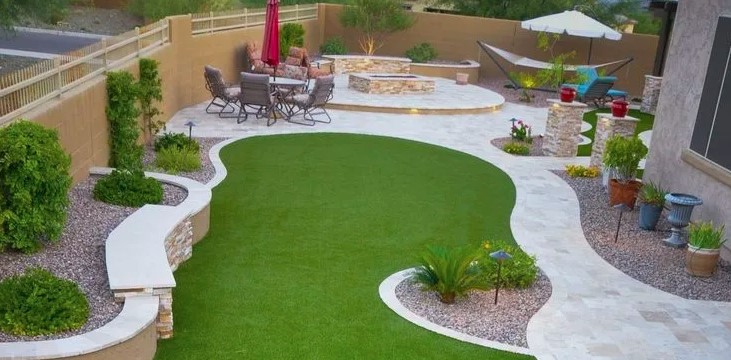
Creating a beautiful outdoor space starts with thoughtful backyard landscape design. Whether you have a small yard or a sprawling garden, the right design can turn your outdoor area into a relaxing retreat, an entertainment hub, or a functional extension of your home. With a balance of creativity, planning, and practicality, you can craft a space that reflects your lifestyle while enhancing your property’s value.
Understanding Backyard Landscape Design
Backyard landscape design is more than just planting flowers or laying down grass. It involves planning the layout, selecting materials, choosing plants, and incorporating features like patios, pathways, lighting, and water elements. A well-designed backyard blends aesthetics with functionality, ensuring the space is both beautiful and usable.
The key is to approach your design with a clear vision. Think about how you want to use the space—whether it’s for relaxing, hosting guests, gardening, or family activities.
Planning Your Backyard Layout
Before you start digging or planting, create a plan. Begin by assessing your space. Consider the size, shape, sunlight exposure, soil quality, and existing features. Divide your backyard into zones based on function, such as:
- Lounge area for relaxation
- Dining space for outdoor meals
- Garden beds for plants or vegetables
- Play area for kids or pets
Mapping out these zones helps ensure a balanced and organized design. It also prevents overcrowding and makes the space more visually appealing.
Choosing the Right Plants
Plants are the heart of any backyard landscape design. Selecting the right plants depends on your climate, maintenance preferences, and overall style. Native plants are often the best choice because they adapt well to local conditions and require less upkeep.
Consider mixing different types of greenery, such as:
- Trees for shade and structure
- Shrubs for privacy and layering
- Flowers for color and seasonal interest
- Ground covers for texture and coverage
Aim for a mix of heights, colors, and textures to create depth and visual interest throughout the year.
Incorporating Hardscape Elements
Hardscaping refers to the non-living elements in your backyard. These features provide structure and usability to your design. Popular hardscape elements include:
- Patios and decks
- Walkways and stepping stones
- Retaining walls
- Fire pits and outdoor kitchens
Materials like stone, brick, and wood can add character and durability. When choosing materials, ensure they complement your home’s architecture and the natural surroundings.
Adding Water and Lighting Features
Water features can elevate your backyard design by adding a sense of tranquility. Options range from simple fountains to elaborate ponds or waterfalls. The sound of flowing water creates a calming atmosphere and enhances the overall experience.
Lighting is equally important. It not only improves safety but also highlights key features of your landscape. Use a combination of:
- Path lights for walkways
- Accent lights for plants and structures
- String lights for ambiance
Well-placed lighting allows you to enjoy your backyard even after sunset.
Creating a Sustainable Design
Sustainability is becoming a key aspect of modern backyard landscape design. By incorporating eco-friendly practices, you can reduce water usage and maintenance while supporting the environment.
Some sustainable ideas include:
- Installing drip irrigation systems
- Using drought-tolerant plants
- Collecting rainwater
- Adding mulch to retain soil moisture
These practices not only save resources but also lower long-term costs.
Personalizing Your Outdoor Space
Your backyard should reflect your personality and lifestyle. Add elements that make the space uniquely yours, such as:
- Outdoor furniture and cushions
- Decorative planters
- Art pieces or sculptures
- A cozy hammock or swing
Personal touches transform a standard yard into a welcoming and comfortable environment.
Common Mistakes to Avoid
When designing your backyard, avoid these common pitfalls:
- Overcrowding the space with too many features
- Ignoring proper drainage
- Choosing high-maintenance plants without considering upkeep
- Failing to plan for future growth of plants
Taking the time to plan carefully can save you time, money, and frustration later on.
FAQs
1. What is the first step in backyard landscape design?
The first step is assessing your space and creating a clear plan that outlines how you want to use your backyard.
2. How can I design a low-maintenance backyard?
Choose native or drought-tolerant plants, install efficient irrigation systems, and use mulch to reduce upkeep.
3. What are the best materials for hardscaping?
Popular options include natural stone, brick, concrete, and wood, depending on your style and budget.
4. How do I make a small backyard look bigger?
Use vertical gardening, light colors, mirrors, and strategic layouts to create the illusion of more space.
5. Is backyard landscape design expensive?
Costs vary depending on the size and complexity of the project, but you can create a beautiful design with any budget by prioritizing key elements.
Conclusion
Custom landscape design is an opportunity to create a space that enhances your home and enriches your daily life. By combining thoughtful planning, the right plants, functional features, and personal touches, you can transform your outdoor area into a stunning and practical retreat. Whether you prefer a lush garden, a modern patio, or a cozy backyard oasis, the possibilities are endless when you design with intention.