Running a business often means dealing with repetitive work, disconnected software, and time consuming processes. In this blog post, we read about how workflow automation tools and custom AI solutions help businesses eliminate manual tasks, improve productivity, and create more efficient operations. We also explain how tailored AI systems solve unique business challenges that standard software cannot address.
Why Businesses Need Smarter Automation?
Many businesses rely on multiple software platforms that do not communicate effectively with each other. Employees spend valuable hours entering data, searching for information, and repeating the same tasks every day. These activities slow business growth and reduce productivity. Smarter automation allows teams to spend more time on meaningful work while routine processes continue automatically behind the scenes.
What Are Workflow Automation Tools?
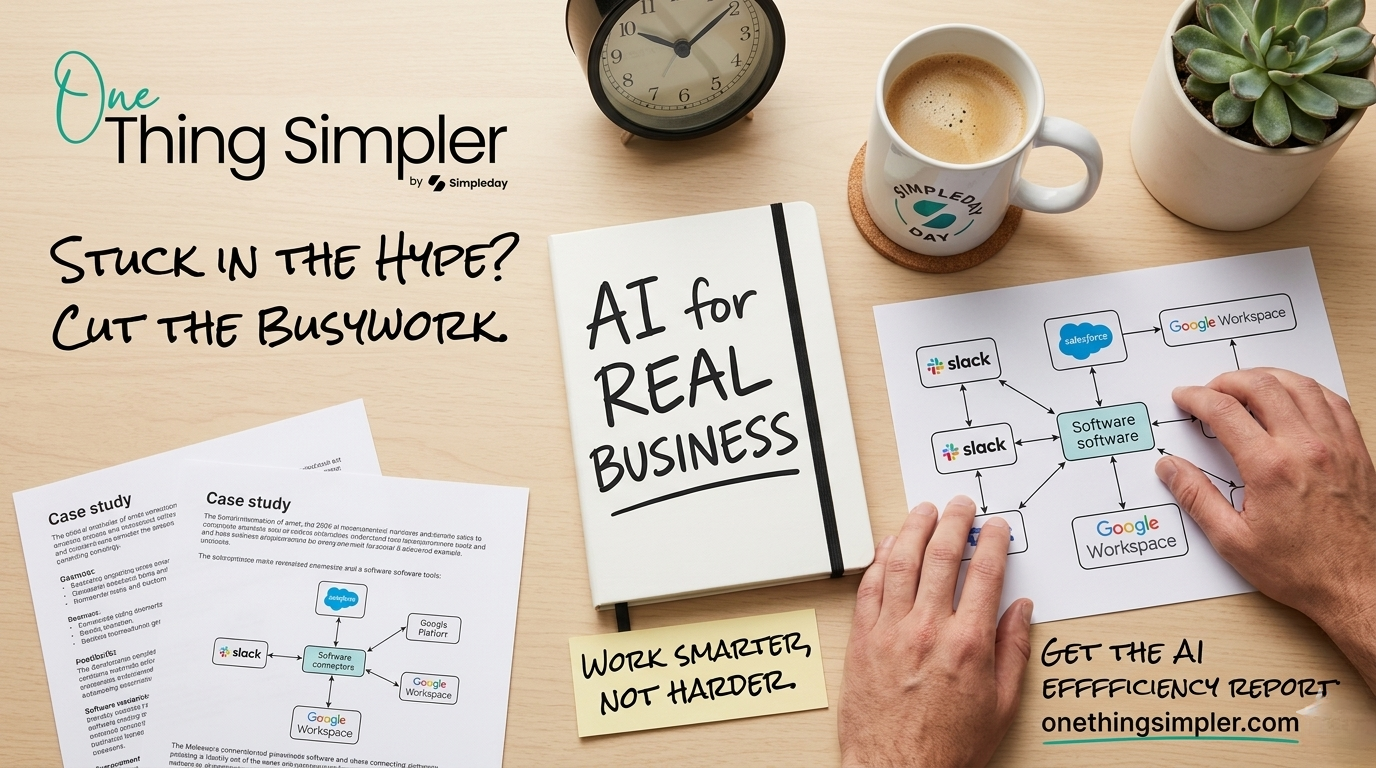
Workflow automation tools are software solutions that automate repetitive business activities by connecting different systems and reducing manual effort. They simplify everyday operations by moving information between applications, assigning tasks, generating reports, and triggering actions automatically. Instead of spending hours completing routine work, businesses can rely on automation to improve speed, accuracy, and consistency across departments.
Key Benefits of Workflow Automation Tools
Save Valuable Business Time
Every business performs repetitive activities such as updating spreadsheets, sending emails, processing requests, and creating reports. Automation removes these manual responsibilities by completing them instantly. Employees regain hours every week that can be redirected toward customer service, planning, innovation, and revenue generating activities instead of repetitive administration.
Improve Accuracy Across Processes
Manual work often leads to mistakes that require additional time and resources to correct. Automated workflows follow predefined rules consistently without forgetting steps or entering incorrect information. Better accuracy reduces costly errors, improves customer satisfaction, and creates greater confidence in business data used for important decisions.
Connect Multiple Business Systems
Modern businesses often use separate applications for accounting, customer management, communication, and project tracking. Automation connects these systems so information flows automatically without manual copying. Better integration reduces duplication, improves collaboration, and ensures every department works with accurate and updated information throughout the business.
Increase Team Productivity
Employees become more productive when repetitive work disappears from their daily schedules. Instead of focusing on administration, they can solve customer problems, improve products, strengthen client relationships, and contribute to strategic business goals. Automation supports people rather than replacing them by allowing them to focus on valuable responsibilities.
Common Business Processes That Can Be Automated
Many organisations begin automation with tasks that consume significant time every week. Examples include:
- Customer enquiry management and follow up emails
- Data entry between different software platforms
- Invoice generation and payment reminders
- Employee onboarding documentation
- Report creation and business analytics
- Appointment scheduling and calendar management
Automating these activities improves efficiency while reducing manual workload across multiple departments.
Why Generic Software Is Not Always Enough?
Many companies purchase popular software expecting it to solve every operational problem. Unfortunately, each business follows unique processes, serves different customers, and manages specialised workflows. Standard software usually addresses common situations but rarely fits every requirement. Businesses often adapt their operations around software limitations instead of improving the software to support their existing processes effectively.
Understanding Custom AI Solutions
Custom AI solutions are intelligent systems designed specifically around an organisation’s unique workflow, objectives, and challenges. Instead of forcing businesses to change established processes, these solutions are developed to fit existing operations. Custom AI can analyse information, automate decisions, process documents, generate reports, support customer interactions, and perform specialised tasks unavailable through standard applications.
Benefits of Custom AI Solutions
Built Around Your Business
Every company has unique processes that generic software cannot fully support. Custom AI applications are created specifically for existing workflows, allowing businesses to automate specialised activities without changing how their teams already operate. This creates smoother implementation and delivers stronger long term value from automation investments.
Solve Industry Specific Challenges
Different industries face different operational problems. Healthcare, finance, manufacturing, legal services, education, and retail all require specialised workflows. Custom AI systems address these industry specific requirements by processing information, supporting compliance, analysing documents, and improving decision making according to business needs instead of offering generic functionality.
Scale As Your Business Grows
Business requirements continue changing as companies expand. Custom AI systems can evolve alongside organisational growth by supporting additional users, departments, workflows, and integrations. Instead of replacing software every few years, businesses continue improving their existing intelligent systems while maintaining consistent operational efficiency.
Deliver Better Customer Experiences
Customers expect faster responses, personalised communication, and accurate information. Custom AI helps businesses provide quicker support, automate routine enquiries, personalise recommendations, and reduce waiting times. Better customer experiences strengthen loyalty while allowing employees to focus on complex situations requiring human expertise.
Combining Automation With AI Creates Better Results
Automation handles repetitive actions while artificial intelligence analyses information, recognises patterns, and supports intelligent decision making. Together, these technologies create highly efficient business systems capable of completing routine work while continuously improving operational performance. Businesses benefit from faster workflows, smarter insights, and improved productivity without increasing administrative workload.
Choosing the Right Automation Strategy
Successful automation begins by identifying repetitive tasks that consume valuable employee time. Businesses should evaluate current workflows, understand operational bottlenecks, and prioritise processes offering the highest return. Starting with smaller improvements creates measurable results before expanding automation across additional departments and business functions over time.
Final Thoughts
Businesses no longer need to accept inefficient workflows, disconnected software, or repetitive manual tasks as part of everyday operations. Intelligent automation and tailored AI systems create practical improvements that save time, improve accuracy, and support sustainable growth. One Thing Simpler helps organizations identify opportunities where automation delivers meaningful results through practical strategies and customized AI solutions designed around real business needs.
Frequently Asked Questions
1. What are Workflow Automation Tools?
Workflow automation tools automate repetitive business tasks by connecting software, reducing manual work, improving accuracy, and helping employees complete daily operations more efficiently.
2. What are Custom AI Solutions?
Custom AI solutions are intelligent software applications built specifically around a business’s unique workflows, helping automate specialized processes that generic software cannot effectively manage.
3. Which Business Processes Should be Automated First?
Businesses should begin with repetitive tasks such as data entry, customer communication, reporting, approvals, scheduling, and document management because these areas often provide the quickest productivity improvements.
4. Are Custom AI Systems Suitable for Small Businesses?
Yes. Small businesses benefit from tailored AI because it reduces manual work, improves operational efficiency, and allows growing teams to achieve more without significantly increasing staffing costs.
5. Why Should Businesses Choose One Thing Simpler for AI Automation?
One Thing Simpler focuses on understanding existing workflows, identifying automation opportunities, and developing tailored AI solutions that integrate with current business systems to deliver practical and measurable improvements.