Modern interior design requires materials that deliver more than visual appeal. Architects, homeowners, contractors, and commercial developers increasingly prioritize surfaces that offer design flexibility, practical functionality, and long-term value. Whether planning a contemporary kitchen, renovating a bathroom, or developing a commercial interior, selecting the right surface material can significantly influence the final outcome.
Solid surface materials have become an attractive choice for these applications because of their customizable appearance and versatile fabrication possibilities. Available in different colors, patterns, and finishes, a Solid Surface Sheet can be transformed into countertops, vanity tops, furniture components, wall panels, and decorative architectural features.
Understanding the advantages of these materials and knowing what to consider before purchasing them can help ensure successful interior design projects.
What Makes Solid Surface Materials Different?
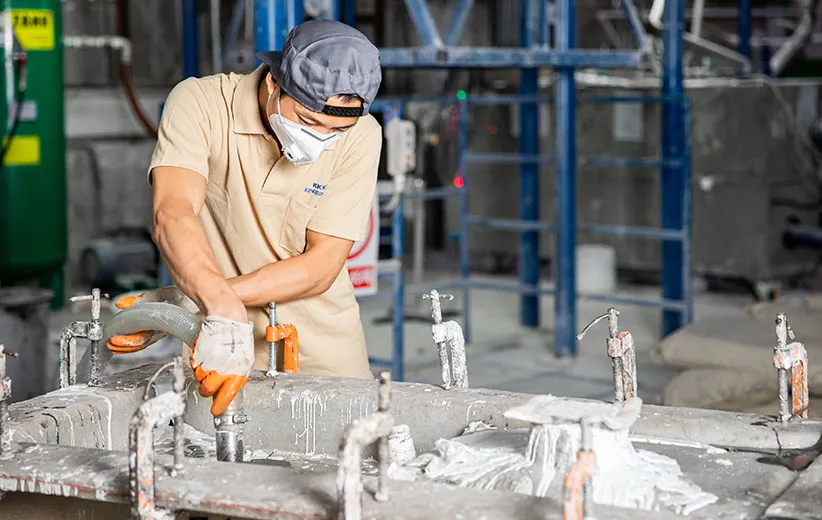
Solid surface materials are engineered composites generally manufactured using mineral fillers and resin-based binders. This manufacturing approach produces a consistent material that can be fabricated into different shapes and dimensions.
One significant advantage is visual consistency. Unlike natural stone, which often contains irregular patterns and variations, engineered surfaces can offer more predictable colors and decorative finishes. This makes them particularly useful for projects involving multiple countertops or large surface installations.
Another important feature is fabrication flexibility. Depending on the material formulation, professional fabricators can cut, shape, sand, and join individual sections. Certain acrylic-based products can also be thermoformed into curved designs, creating opportunities for customized architectural features.
These characteristics make solid surface materials suitable for both functional installations and creative interior applications.
Exploring Different Types of Solid Surface Sheets
Selecting the right product requires an understanding of its composition and manufacturing characteristics. Different formulations may offer different levels of flexibility, fabrication suitability, and performance.
Acrylic-Based Surface Materials
Acrylic Solid Surface Sheets are widely used in modern interior projects because of their versatility and fabrication potential.
Pure acrylic formulations are particularly suitable for applications involving thermoforming, customized shapes, and inconspicuous joints. Modified acrylic products provide alternative options with different material characteristics and price considerations.
Before purchasing, buyers should review technical documentation to understand the specific formulation and its recommended applications.
Decorative Colors and Patterns
Modern solid surface collections offer numerous decorative possibilities, including:
- Solid colors for minimalist and contemporary interiors.
- Marble-inspired patterns for elegant residential spaces.
- Terrazzo-style designs for distinctive commercial environments.
- Translucent finishes for creative lighting installations.
- Textured appearances for decorative furniture and wall features.
These choices allow designers to coordinate different surfaces while maintaining a consistent interior design theme.
Important Factors to Consider Before Buying
Although appearance is important, selecting the right material requires careful attention to technical and practical details.
1. Material Composition and Quality
The composition of Solid Surface Sheet Material influences its fabrication characteristics and potential applications.
Buyers should determine whether a product uses pure acrylic, modified acrylic, or another resin formulation. Requesting technical data sheets helps clarify product specifications and provides a reliable basis for comparing different options.
2. Thickness and Dimensions
Material thickness should correspond to the intended application and installation requirements. Kitchen countertops, bathroom vanities, decorative wall panels, and furniture components may require different specifications.
Before ordering, confirm sheet length, width, thickness, dimensional tolerances, and fabrication recommendations. Accurate measurements also help contractors estimate material quantities and reduce unnecessary waste.
3. Surface Appearance and Consistency
Color and pattern consistency are particularly important for large installations. Even small differences between sheets may become noticeable when multiple sections are installed together.
Requesting physical samples before purchasing is a practical way to evaluate the actual finish. Buyers should also examine samples under lighting conditions similar to those of the final installation.
4. Maintenance and Everyday Performance
Maintenance requirements vary depending on product composition and surface finish. Before installation, review the manufacturer’s recommendations concerning cleaning methods, heat exposure, chemical resistance, and repair procedures.
Understanding these requirements helps property owners select materials that suit their intended usage.
Popular Applications in Modern Interior Design
Solid surface products are valued for their ability to accommodate different residential and commercial requirements.
Kitchen Countertops
Kitchen countertops need to balance appearance with practical functionality. Solid surface materials can be fabricated with customized edge profiles, coordinated backsplashes, and integrated design features.
Their availability in different decorative finishes makes them suitable for minimalist kitchens as well as more elaborate interior concepts.
Bathroom Vanities
Bathrooms benefit from clean, coordinated surface designs. Engineered materials can be fabricated into vanity tops and compatible basin configurations, helping create a unified appearance.
Their customization potential makes them suitable for residential bathrooms, hotels, and hospitality developments.
Commercial and Hospitality Interiors
Hotels, restaurants, offices, and retail spaces frequently require customized interior features. Solid surface materials can be used for reception desks, service counters, furniture components, and decorative wall installations.
Their design flexibility helps businesses maintain consistent visual themes throughout their premises.
How to Choose a Reliable Manufacturing Partner
Selecting a dependable Solid Surface Sheet Manufacturer is just as important as choosing the material itself. Manufacturing consistency, product information, and technical support can all influence the success of a project.
Before selecting a supplier, consider these important factors:
- Manufacturing standards: Review quality-control procedures and available certifications.
- Product selection: Compare colors, patterns, dimensions, and material formulations.
- Technical documentation: Request specifications and recommended fabrication guidelines.
- Customization: Check whether special dimensions and project requirements can be accommodated.
- Supply reliability: Discuss production capacity, delivery schedules, and repeat-order availability.
Buyers looking for High Quality Solid Surface Sheets should prioritize verified specifications and product suitability rather than making decisions based exclusively on price.
Discovering Solid Surface Options from KKR Stone
For architects, interior designers, distributors, and construction professionals exploring engineered surface solutions, KKR Stone offers a collection of solid surface products for different interior applications.
Its product range includes various decorative designs and acrylic-based options that can be considered for residential and commercial projects. Buyers interested in exploring the KKR Solid Surface collection can review available designs and compare products according to their project requirements.
The available KKR Solid Surface Sheets can be considered for applications such as kitchen countertops, bathroom vanities, customized furniture, and commercial interior features.
For larger developments, discussing material specifications, sheet dimensions, customization possibilities, and order quantities with the supplier can help buyers identify suitable products before finalizing their purchasing decisions.
Conclusion
Solid surface materials offer an appealing combination of design flexibility, fabrication possibilities, and practical functionality. Their versatility makes them suitable for a wide range of applications, from residential countertops and bathroom vanities to commercial furniture and architectural installations.
However, choosing the right product requires careful consideration of composition, dimensions, color consistency, maintenance requirements, and manufacturing standards.
By evaluating these factors and exploring established suppliers such as KKR Stone, buyers can make informed purchasing decisions and select surface materials that complement their design vision while supporting the practical needs of modern interiors.