Hair plays an important role in personal appearance and self-confidence. However, hair thinning, bald patches, and a receding hairline can gradually affect how individuals feel about their appearance. Hair loss may develop because of genetics, hormonal changes, aging, medical conditions, or lifestyle factors. For many people, finding a suitable restoration solution becomes an important step towards feeling comfortable with their appearance again.
Follicular Unit Transplantation (FUT) is an established surgical hair restoration technique that helps address hair loss by transferring healthy hair follicles from a donor area to thinning or bald regions. With proper planning and professional surgical skills, this procedure can improve hair coverage and create a fuller, natural-looking appearance.
Individuals considering FUT Hair Transplant in Islamabad can benefit from understanding the procedure, its advantages, and how it may support their hair restoration goals.
Understanding FUT Hair Restoration
FUT stands for Follicular Unit Transplantation. It is a surgical procedure that involves removing a narrow strip of hair-bearing skin from the donor area, usually at the back of the scalp.
The extracted strip contains naturally occurring groups of hair follicles known as follicular units. These units are carefully separated under magnification and prepared for transplantation.
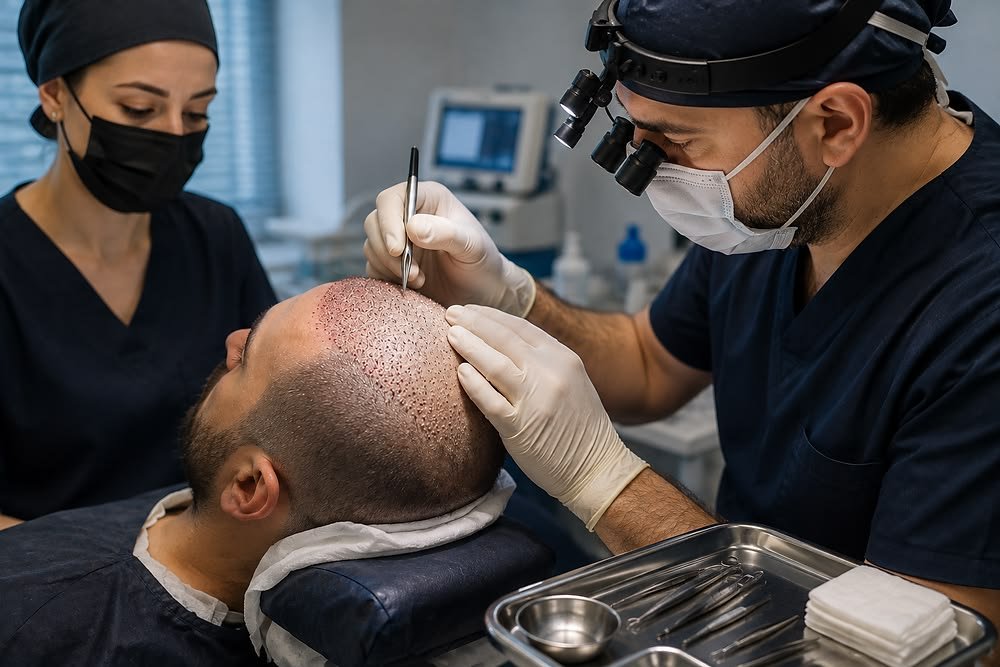
The surgeon then creates small recipient sites in areas affected by hair loss and places the prepared grafts according to the patient’s natural hair growth pattern.
FUT is particularly useful for suitable candidates who need a relatively large number of grafts in one treatment session.
How FUT Hair Restoration Helps Restore Confidence
Hair loss can influence personal confidence in different ways. Some individuals feel uncomfortable with a receding hairline, while others become concerned about visible thinning or bald patches.
FUT can help address these concerns through several potential benefits.
1. Restores a Fuller Hair Appearance
One of the primary goals of FUT is to improve hair coverage in areas experiencing thinning. Transferring healthy follicles into selected regions can create a fuller appearance and reduce visible scalp exposure.
The final density depends on donor hair quality, the number of available grafts, and individual characteristics.
2. Improves Hairline Appearance
A receding hairline can change facial proportions and make the forehead appear larger. FUT allows surgeons to place grafts strategically along the frontal scalp.
A carefully designed hairline can complement facial features and create a more balanced appearance.
3. Uses Your Own Natural Hair
FUT uses the patient’s own hair follicles, allowing transplanted hair to match existing hair characteristics. When grafts are placed correctly, they can blend naturally with surrounding hair.
4. Provides Long-Term Restoration
Transplanted follicles are generally collected from areas that are more resistant to genetic hair loss. Once established, these follicles can continue producing hair over the long term.
However, surrounding natural hair may continue thinning, so ongoing monitoring may be necessary.
Who Can Benefit from FUT Hair Transplant?
FUT may be appropriate for individuals experiencing hereditary hair loss, noticeable thinning, or larger bald areas who have sufficient donor hair.
Potential candidates may include:
- Individuals experiencing male pattern baldness.
- People with receding hairlines.
- Patients with thinning across the crown or frontal scalp.
- Individuals with adequate donor hair density.
- People seeking improved hair coverage.
Not everyone is suitable for FUT. A qualified surgeon should examine the scalp, review medical history, and assess donor hair availability before recommending treatment.
Understanding the FUT Hair Transplant Procedure
Knowing the treatment stages can help patients feel more confident about their decision.
Initial Consultation
The process begins with a detailed consultation. The surgeon examines the scalp, evaluates hair loss patterns, and discusses the patient’s desired results.
A personalized plan is developed according to donor hair availability and restoration requirements.
Donor Hair Extraction
Local anesthesia is administered before a narrow strip of hair-bearing skin is removed from the donor area. The incision is then carefully closed, leaving a linear scar that can usually be concealed by surrounding hair.
Graft Preparation
The extracted strip is examined under magnification. Individual follicular units are separated carefully to preserve their structure and quality.
Graft Implantation
The surgeon creates small openings in the recipient area and places the prepared grafts according to the planned hairline, natural growth direction, and desired density.
Recovery and Aftercare for Better Results
Recovery is an essential part of the hair restoration journey. Some patients experience temporary swelling, redness, tenderness, or discomfort around the treated areas.
The donor incision requires particular care because FUT involves surgical closure. Initial healing commonly takes around 10–14 days, although recovery varies between individuals.
Patients should follow their surgeon’s instructions, avoid scratching the scalp, and use recommended medications as directed.
Transplanted hairs commonly shed during the first few weeks. This is generally a normal part of the hair growth cycle. New growth usually begins after a few months, with more noticeable results often developing within 9–12 months or longer.
Regular follow-up appointments help the surgeon monitor healing and progress.
Why Choosing an Experienced Surgeon Matters
Hair transplantation requires careful planning, surgical precision, and proper graft handling. The surgeon must understand hairline design, donor area management, and the natural direction of hair growth.
When exploring FUT Hair Transplant in Islamabad, patients should research the surgeon’s qualifications, clinical experience, hygiene standards, and treatment approach.
It is also important to understand possible complications, including infection, bleeding, permanent donor scarring, temporary numbness, and delayed wound healing.
A detailed consultation helps patients understand whether FUT is appropriate for their individual needs.
Conclusion
Hair loss can affect both appearance and personal confidence, but suitable hair restoration procedures may help individuals improve their hair coverage. FUT offers an established option for transferring healthy follicles into thinning or bald areas.
With personalized treatment planning, careful graft placement, and proper aftercare, suitable candidates may achieve fuller-looking hair and a more balanced appearance. Choosing an experienced surgeon and maintaining realistic expectations are essential steps towards a positive hair restoration experience.
Frequently Asked Questions (FAQs)
1. Can FUT hair transplant improve self-confidence?
FUT may improve hair coverage and appearance, which can help some individuals feel more comfortable and confident about their hair.
2. How long do FUT hair transplant results last?
Transplanted follicles are generally long-lasting because they are collected from relatively hair-loss-resistant areas. However, natural hair surrounding them may continue thinning.
3. Is FUT suitable for people with extensive hair loss?
It may be suitable for some individuals with extensive hair loss if sufficient healthy donor hair is available. A professional assessment is necessary.
4. How can I find professional FUT Hair Transplant in Islamabad?
Research qualified hair restoration surgeons, check their experience, and arrange a consultation to discuss your donor hair, treatment plan, expected results, and possible risks before choosing FUT Hair Transplant in Islamabad.
For more information visit
Enfield royal clinic in islamabad