Crow’s feet are among the most common signs of facial ageing. These fine lines and wrinkles develop around the outer corners of the eyes and often become more noticeable when a person smiles, squints, or makes other facial expressions. Although these lines are a natural part of ageing, many people look for ways to soften their appearance while maintaining a fresh and natural-looking face. Botox injections have become a popular non-surgical option for addressing these concerns.
For individuals exploring cosmetic treatments, Botox Injections in Muscat offer an option worth understanding when considering improvements in the appearance of crow’s feet. The treatment works by temporarily relaxing specific facial muscles responsible for expression-related wrinkles. With an appropriate treatment approach, it may help create a smoother appearance around the eyes without requiring surgery or an extended recovery period. Understanding how Botox works, what results to expect, and whether it is suitable for different skin concerns can help individuals make informed decisions.
1. What Are Crow’s Feet and Why Do They Develop?
Crow’s feet are small wrinkles that appear at the outer corners of the eyes. They typically extend outward from the eye area, creating a pattern that resembles the feet of a crow. These lines are particularly noticeable during smiling and other facial movements.
Several factors contribute to their development:
Natural Ageing: As the skin ages, it gradually produces less collagen and elastin. These proteins help maintain skin firmness, elasticity, and smoothness. Their gradual decline makes the delicate skin around the eyes more vulnerable to wrinkles.
Repeated Facial Expressions: Smiling, laughing, and squinting activate the muscles surrounding the eyes. Over time, repeated muscle contractions can create lines that become visible even when the face is relaxed.
Sun Exposure: Ultraviolet radiation can contribute to premature skin ageing by damaging collagen and elastin fibres. Since the skin around the eyes is particularly delicate, it may show signs of sun damage relatively early.
Lifestyle Factors: Smoking, inadequate sleep, environmental pollution, and inconsistent skincare habits may contribute to the visible signs of ageing.
Genetics: Some individuals naturally develop expression lines earlier than others because of inherited skin characteristics and facial muscle activity.
Understanding the underlying causes of crow’s feet is important because treatment effectiveness often depends on whether the wrinkles are primarily caused by repeated muscle movements or permanent changes in the skin.
2. How Do Botox Injections Work for Crow’s Feet?
Botox is a purified form of botulinum toxin type A used in controlled amounts for cosmetic and medical purposes. In cosmetic applications, it works by temporarily blocking the signals that nerves send to selected muscles, reducing their ability to contract.
For crow’s feet, small amounts are administered into carefully selected areas around the outer corners of the eyes. This reduces the activity of the muscles responsible for creating expression-related wrinkles.
When these muscles relax, the skin above them experiences less repetitive folding. As a result, existing expression lines may appear softer, particularly when smiling or squinting.
The treatment does not remove skin or permanently change facial structure. Instead, it temporarily reduces the muscle activity responsible for dynamic wrinkles.
The effects are generally gradual rather than immediate. Some individuals begin noticing changes within three to five days, while the full cosmetic effect commonly develops within approximately 10 to 14 days.
The treatment is temporary, and muscle movement gradually returns as the body breaks down the product’s effects.
3. Do Botox Injections Really Make a Difference?
Yes, Botox injections can make a noticeable difference in the appearance of crow’s feet, particularly when the wrinkles are caused by repeated facial expressions.
However, the degree of improvement depends on several factors, including skin condition, wrinkle depth, muscle strength, and individual response to treatment.
Some of the potential improvements include:
Smoother Skin Around the Eyes: By reducing repetitive muscle contractions, Botox may soften the lines that develop at the outer corners of the eyes.
Reduced Appearance of Expression Lines: Crow’s feet often become more prominent during smiling. Relaxing the relevant muscles can make these lines less noticeable during facial expressions.
A More Refreshed Appearance: Softer wrinkles around the eyes may contribute to a rested and refreshed facial appearance without significantly changing natural facial features.
Temporary Improvement Without Surgery: Botox is a minimally invasive cosmetic procedure that does not require surgical incisions or lengthy recovery.
It is important to understand that Botox does not eliminate every type of wrinkle. Deep lines that remain visible even when the face is completely relaxed may not respond as effectively because they can involve permanent changes in skin structure.
For this reason, realistic expectations are essential. The goal is generally to soften wrinkles while preserving natural facial expressions rather than creating a completely motionless appearance.
4. What Happens During a Botox Treatment Session?
A Botox appointment usually involves several straightforward steps. Although the exact process may vary depending on individual needs, the treatment generally follows a structured approach.
Initial Assessment: The treatment process begins with an evaluation of the eye area, skin condition, facial movements, and wrinkle patterns. The individual’s cosmetic goals and medical history are also considered.
Treatment Planning: Suitable injection points are identified around the outer corners of the eyes. The treatment plan is adjusted according to muscle activity, wrinkle severity, and facial anatomy.
Skin Preparation: The treatment area is cleaned before injections are administered. A topical numbing product may be considered if necessary, although many individuals tolerate the procedure without additional numbing.
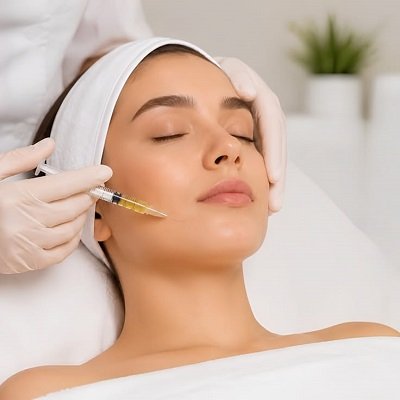
Injections: Small quantities of Botox are administered using a fine needle into selected muscles. The injections are generally quick, and most sessions take approximately 10 to 20 minutes.
Aftercare Guidance: Following treatment, individuals receive instructions about caring for the treated area and activities that may need to be avoided temporarily.
Most people can return to their usual daily activities shortly after the procedure. However, following professional aftercare recommendations is important for supporting a safe treatment experience.
5. How Long Do Results Last and What Are the Possible Side Effects?
Botox results are temporary, and their duration varies from person to person. For crow’s feet, cosmetic effects commonly last around three to four months, although some individuals may experience longer-lasting results.
Several factors can influence how long the effects remain noticeable:
- Individual metabolism and how quickly the body processes the product.
- Muscle strength and activity in the treated area.
- The amount of product administered.
- Previous treatment history.
- Individual response to botulinum toxin.
As the effects gradually wear off, muscle movement returns and expression lines may become noticeable again. Individuals who wish to maintain their results may discuss an appropriate maintenance schedule with a qualified healthcare professional.
Possible Side Effects
Although Botox is generally well tolerated when administered appropriately, temporary side effects can occur.
These may include:
- Mild redness or swelling around injection sites.
- Small bruises.
- Temporary tenderness.
- Mild headaches.
- Temporary eyelid or eyebrow drooping.
- Dry or watery eyes.
- Temporary changes in facial expression.
Less common but more serious complications can occur if the toxin spreads beyond the intended treatment area. Symptoms such as difficulty swallowing, speaking, or breathing require immediate medical attention.
Botox is not appropriate for everyone. Individuals who are pregnant, breastfeeding, have certain neuromuscular conditions, or have a history of allergic reactions to botulinum toxin should discuss their suitability with a healthcare professional.
Choosing a qualified and experienced medical practitioner, using an approved product, and following appropriate injection techniques are important safety considerations.
6. Who Is an Ideal Candidate for Botox for Crow’s Feet?
Botox may be suitable for adults who want to reduce the appearance of expression-related wrinkles around the eyes without undergoing surgery.
Potential candidates often include individuals who:
- Have fine lines around the outer corners of the eyes.
- Notice wrinkles becoming more prominent when smiling or squinting.
- Want a temporary, non-surgical cosmetic treatment.
- Prefer subtle improvements while maintaining natural facial expressions.
- Have realistic expectations about the treatment’s benefits and limitations.
However, individuals with deep static wrinkles may require a different or combined approach because Botox primarily addresses muscle-related wrinkles rather than significant skin laxity or volume loss.
A professional consultation helps determine whether Botox is appropriate or whether alternative treatments may better address the individual’s concerns.
Maintaining healthy skincare habits can also support the appearance of the eye area. Daily sunscreen use, gentle moisturising, adequate hydration, and avoiding smoking may help reduce additional skin damage.
Frequently Asked Questions About Botox for Crow’s Feet
1. Does Botox completely remove crow’s feet?
Botox can significantly soften expression-related crow’s feet, but it does not necessarily remove every wrinkle. Deep lines that remain visible when the face is relaxed may require additional treatment options.
2. How quickly does Botox work for crow’s feet?
Initial improvements may become noticeable within three to five days. Most individuals see the full effects within approximately 10 to 14 days after treatment.
3. Is Botox around the eyes painful?
Most individuals experience only mild discomfort during injections. A fine needle is used, and the procedure generally takes a short time. Temporary redness or tenderness may occur afterward.
4. How long do Botox results for crow’s feet last?
Results typically last around three to four months. However, individual results vary depending on muscle activity, metabolism, treatment technique, and other personal factors.
5. Can Botox prevent crow’s feet from getting worse?
By temporarily reducing repeated muscle contractions, Botox may help limit the development or deepening of expression-related lines while the treatment remains effective. However, it cannot stop natural ageing or prevent sun damage.
6. Can someone smile naturally after Botox treatment?
Yes. When appropriately administered, Botox aims to soften unwanted wrinkles while preserving natural facial expressions. Excessive muscle relaxation may affect expression, which is why careful treatment planning is important.
Final Thoughts
Botox injections can make a meaningful difference in the appearance of crow’s feet, particularly when these wrinkles develop because of repeated facial expressions. By temporarily relaxing the muscles responsible for these lines, the treatment can create a smoother appearance around the eyes and help individuals achieve a refreshed look without surgery.
However, the results depend on individual skin characteristics, wrinkle severity, treatment technique, and overall expectations. Botox is not a permanent solution, nor does it address every aspect of skin ageing. A professional assessment is therefore essential to determine whether the procedure is appropriate and to understand its potential benefits and risks.
With realistic expectations, appropriate treatment planning, and consistent skincare habits, individuals can make informed decisions about managing crow’s feet and maintaining a naturally refreshed appearance.
Read More About Botox Injections: https://cityofarticle.in.net/view_article.php?id=30364&slug=how-soon-will-you-see-results-from-botox-injections