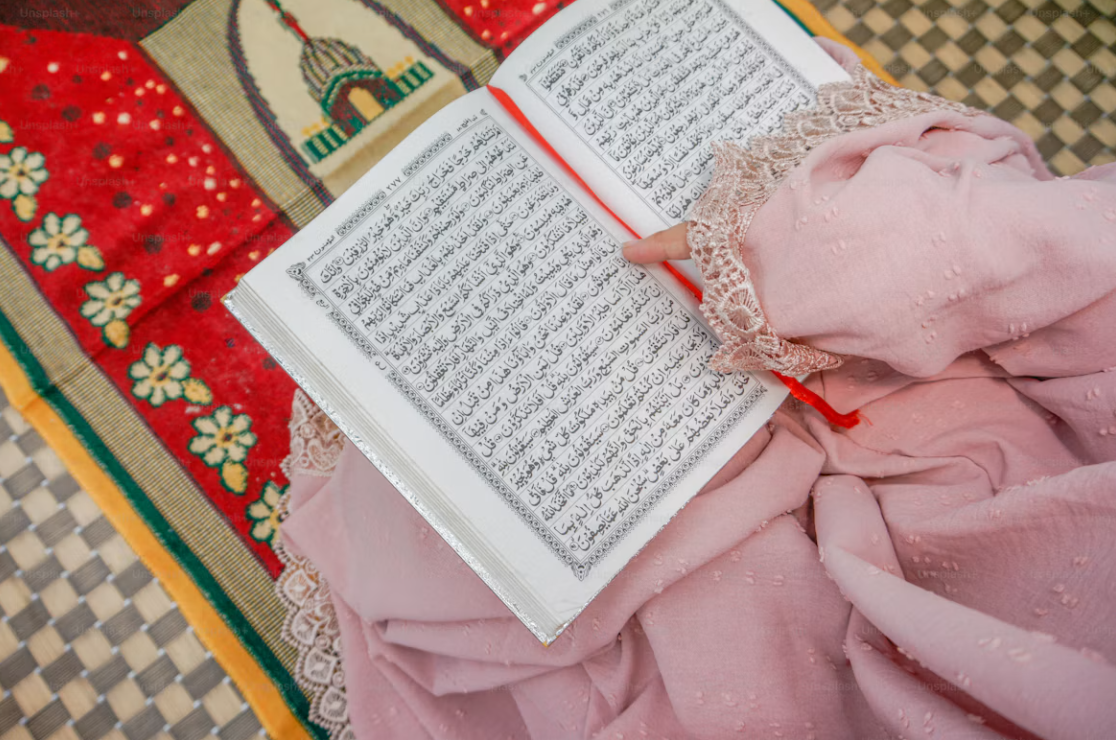
Every year, many Muslims arrive at Ramadan with a sincere wish to read more Quran, only to find that the first days are spent stumbling over pronunciation, losing their place or struggling to find time. Starting preparation a few months ahead changes this. By the time the month begins, the habit is already steady and the recitation feels familiar.
This guide sets out a simple 12-week plan that works backwards from Ramadan. It moves from accuracy to fluency, then to revision and meaning, and it explains how to adapt the plan to work, study and family life. It is written for beginners and returning readers alike.
Author note: replace this line with the author’s name, role and teaching background before publishing.
Experience: starting early versus starting late
Learners who begin in the last two weeks before Ramadan often describe a hurried, anxious start. They try to fix pronunciation, build a habit and increase their reading all at once, and many feel behind by the third day.
Those who begin a few months earlier describe something calmer. The first weeks are quiet and unremarkable, mostly slow reading and small corrections. Then the daily slot becomes automatic, the page layout of their Mushaf becomes familiar, and reading stops feeling like effort. When Ramadan arrives, they can spend their energy on reflection rather than on struggling with the basics.
A Quran tutor can help at the start by checking your reading level and setting a daily amount that is realistic for you. Many learners also find that a weekly lesson keeps them accountable through the months when there is no external deadline. Experiences vary, and a plan that works for one household may need adjusting for another.
Expertise: a 12-week plan in four phases
Count back twelve weeks from the start of Ramadan and divide the time into four phases of roughly three weeks each. Adjust the length of each phase to your starting level.
Phase 1 (weeks 1 to 3): accuracy
Focus on reading correctly, not on reading a lot. Go back to the basics of letters, vowels and the main stretching rules. If you cannot yet read comfortably, use this phase to work through a beginner primer with a teacher. Read one page a day, slowly and aloud.
Phase 2 (weeks 4 to 6): fluency
Increase your daily reading gradually, such as from one page to two. Aim for a smooth, steady pace without long pauses. Mark the spots where you stumble and ask your teacher to model them.
Phase 3 (weeks 7 to 9): revision and Tajweed
Re-read earlier pages to strengthen what you have learned, and add the essential Tajweed rules one at a time. If you plan to lead or join night prayers, practise the surahs you expect to recite or hear.
Phase 4 (weeks 10 to 12): meaning and rhythm
Pair your daily reading with a short reflection. Read the translation of the passage you recited, and note one idea to carry through the day. Build your Ramadan schedule now, choosing realistic reading times around prayer, meals and work.
Throughout all four phases, keep the daily minimum small enough to maintain on your busiest day.
Authoritativeness: what the sources say about Ramadan and the Quran
The link between Ramadan and the Quran is stated in the Quran itself. In Surah Al-Baqarah, verse 185, Allah says that Ramadan is the month in which the Quran was sent down as guidance for people. This is why scholars and Muslims across the centuries have treated the month as a special time for recitation and reflection.
It is also reported in the collection of Sahih al-Bukhari that the angel Jibril would meet the Prophet, peace be upon him, every night of Ramadan to review the Quran with him. Scholars have taken from this the value of regular, shared recitation and revision during the month.
There is no single required amount to read in Ramadan. Many Muslims aim to complete a reading of the Quran, while others read less but with more reflection. Questions about the rulings of night prayers, how to divide the Quran across the month, or what to do if you cannot complete a full reading are best taken to a qualified local scholar. A reliable teacher will point you to sourced answers rather than offering personal opinions.
Trustworthiness: realistic goals and flexibility
A plan is only useful if you can follow it. Be honest with yourself about your time, energy and circumstances, and build in room for the unexpected.
- Set a goal you can keep. Completing the whole Quran in Ramadan is a worthy aim for some, but not everyone’s schedule allows it. A smaller, consistent daily reading is better than a plan you drop in the first week.
- Plan for tired days. Fasting, late nights and work can reduce your energy. Decide in advance what a minimum day looks like.
- Do not trade accuracy for quantity. Rushing through many pages with mistakes weakens your recitation. Slow reading with correct sounds is better.
- Adapt for family life. Parents, students and shift workers can split reading into short sessions across the day.
- Avoid unrealistic promises. Be cautious of any course that guarantees a fixed result by Ramadan. Progress depends on your starting level and practice time.
If you fall behind, simply resume from where you are. Reputable teachers will help you adjust the plan, tell you honestly what is achievable in the time you have, and state their fees and cancellation terms clearly before you begin.
Frequently asked questions
Is twelve weeks enough? It is a reasonable starting window for improving accuracy and building a habit. If you are a complete beginner, a longer runway or a focus on reading rather than completion may suit you better.
How much should I read daily during Ramadan? There is no fixed amount. Choose a level you can sustain, and ask a qualified scholar if you have questions about rulings.
Can I use an app instead of a teacher? Apps help with reminders and listening, but they cannot hear and correct your recitation. A teacher adds the correction that apps lack.
What if I start late? Begin anyway. Even two or three weeks of focused practice on accuracy and a small daily habit will help.
Conclusion
A meaningful Ramadan with the Quran is built in the months before it. Spend the first weeks on accuracy, build fluency and revision, add meaning, and keep your daily goal small enough to hold on your hardest day. A qualified Quran tutor can guide your pace and correct your reading along the way.