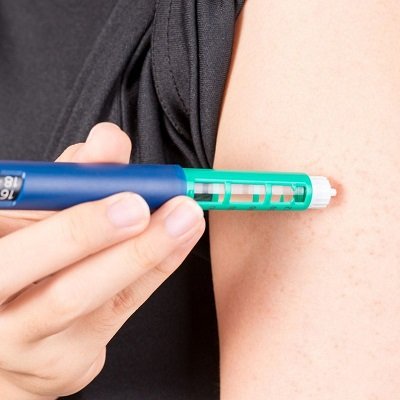
Ozempic is a prescription medication that has become an important treatment option for many adults managing type 2 diabetes. Because it can also affect appetite, digestion, and body weight, people using it may notice changes that are expected during treatment. At the same time, certain symptoms should not be ignored.
For anyone considering or receiving Ozempic Injection in Muscat, knowing when to contact a healthcare professional can make treatment safer and more comfortable. Most side effects are manageable, particularly when the medication is introduced gradually. However, some symptoms can signal a more serious problem and require prompt medical attention.
Understanding the difference between common side effects and warning signs can help patients respond appropriately rather than becoming unnecessarily worried about every change. Ozempic should always be used according to professional medical advice, and patients should report symptoms that are severe, persistent, or unusual.
What Is Ozempic Injection and What Does It Do?
Ozempic contains semaglutide, a medicine that belongs to a class called GLP-1 receptor agonists. It is prescribed to improve blood sugar control in adults with type 2 diabetes, alongside appropriate diet and physical activity.
The medicine works in several ways. It helps the body release insulin when blood glucose levels are elevated, reduces the amount of glucagon released by the body, and slows gastric emptying. These effects can help improve blood glucose control and may also reduce appetite.
Ozempic is administered as an injection under the skin, usually according to a once-weekly treatment schedule prescribed by a healthcare professional.
Because the medicine influences the digestive system and blood glucose regulation, some patients experience nausea, vomiting, diarrhea, constipation, abdominal discomfort, or reduced appetite, particularly when beginning treatment or increasing the dose.
For those researching Ozempic Injection in Muscat, understanding expected reactions before treatment begins can help them recognize when a symptom is likely to be temporary and when professional assessment may be necessary.
Which Ozempic Side Effects Are Usually Mild?
Not every side effect means that treatment needs to be stopped. Gastrointestinal symptoms are among the most commonly reported effects of semaglutide.
Some patients may experience:
- Nausea
- Vomiting
- Diarrhea
- Constipation
- Abdominal discomfort
- Reduced appetite
- Indigestion
- Burping
These symptoms may be more noticeable when treatment begins or when the dosage changes. For many people, they become less troublesome as the body adjusts.
Simple measures such as eating smaller meals, avoiding foods that seem to worsen nausea, drinking adequate fluids, and following the prescribed dosing schedule may help. However, patients should not make major changes to their medication dose without professional guidance.
Mild symptoms can often be monitored, but they should still be mentioned during routine appointments if they continue or interfere with daily activities.
The key concern is severity and persistence. A little nausea may be expected, while repeated vomiting that prevents someone from drinking fluids is a different situation and deserves medical attention.
When Should Someone Call a Doctor About Ozempic?
A healthcare professional should be contacted when a symptom is severe, persistent, worsening, or significantly interferes with normal activities.
Persistent vomiting is one example. Occasional nausea can occur with Ozempic, but repeated vomiting may lead to dehydration and may make it difficult for a person to maintain adequate nutrition and fluid intake.
Severe or persistent abdominal pain should also be taken seriously. Abdominal pain can have many causes, but certain patterns may require urgent evaluation.
Patients should also contact their healthcare professional if they experience signs of an allergic reaction, significant changes in blood glucose, or symptoms that seem substantially different from the expected effects of the medication.
Other reasons to seek medical advice can include:
- Difficulty keeping fluids down
- Signs of dehydration
- Severe or ongoing abdominal pain
- Persistent gastrointestinal symptoms
- Symptoms of very low blood sugar, particularly when Ozempic is used with certain other diabetes medicines
- Symptoms suggesting an allergic reaction
- New or worsening vision changes in someone with diabetic eye disease
- Pregnancy or plans to become pregnant
- Any concerning symptom that does not improve
When in doubt, contacting a qualified healthcare professional is generally safer than attempting to diagnose a potentially serious complication independently.
Which Ozempic Symptoms May Require Urgent Medical Attention?
Some symptoms warrant faster attention than ordinary side effects.
Severe abdominal pain
Severe abdominal pain, especially if it is persistent or extends toward the back, may be a warning sign of pancreatitis. Pancreatitis is an inflammation of the pancreas and requires medical evaluation.
A person experiencing severe, persistent abdominal pain with or without vomiting should seek prompt medical attention rather than assuming the symptom is simply a normal reaction to Ozempic.
Severe allergic reaction
Although uncommon, serious allergic reactions can occur with medications. Warning signs may include swelling of the face, lips, tongue, or throat; difficulty breathing; widespread rash; severe dizziness; or fainting.
These symptoms can represent a medical emergency and require immediate medical attention.
Severe dehydration
Repeated vomiting or diarrhea can cause substantial fluid loss. Warning signs can include extreme thirst, very dry mouth, weakness, dizziness, reduced urination, or unusual fatigue.
Dehydration can become particularly concerning in people who have underlying kidney problems or who are taking medicines that affect fluid balance.
Severe low blood sugar
Ozempic itself does not usually cause hypoglycemia when used alone, but the risk can increase when it is combined with certain diabetes medications, particularly insulin or sulfonylureas.
Symptoms of low blood sugar may include sweating, shaking, hunger, dizziness, confusion, weakness, rapid heartbeat, or difficulty concentrating. Severe hypoglycemia can cause seizures or loss of consciousness and requires urgent treatment.
Patients using Ozempic Injection in Muscat should understand how their complete diabetes treatment plan affects their risk of hypoglycemia.
What About Vision Changes While Using Ozempic?
Changes in vision should not automatically be attributed to Ozempic without assessment.
People with diabetes can already be at risk of diabetic retinopathy, a condition that affects the blood vessels of the retina. Changes in blood glucose control can sometimes be associated with changes in diabetic eye disease.
Anyone experiencing new or worsening vision changes should discuss them with a healthcare professional, particularly if there is a known history of diabetic retinopathy.
Sudden significant vision loss or other serious visual symptoms require prompt medical assessment.
Regular eye examinations remain important for people living with diabetes, regardless of whether they are using semaglutide.
How Can Patients Use Ozempic More Safely?
Safe treatment begins with following the prescribed instructions carefully. Patients should use the dose recommended for them and avoid increasing or decreasing it independently.
It is also important to tell the prescribing professional about other medications and health conditions. This can help identify potential interactions or situations in which closer monitoring is appropriate.
Patients can support safer treatment by:
- Taking Ozempic exactly as prescribed
- Following the recommended injection schedule
- Staying adequately hydrated
- Paying attention to persistent digestive symptoms
- Monitoring blood glucose when advised
- Understanding symptoms of low blood sugar when taking other glucose-lowering medicines
- Keeping healthcare professionals informed about new symptoms
- Attending recommended follow-up appointments
- Discussing pregnancy plans before or during treatment
People should also avoid relying solely on online discussions or experiences from other Ozempic users. Individual responses to medication can vary considerably.
For someone exploring Ozempic Injection in Muscat, a personalized medical assessment is more useful than assuming that another person’s dosage, side effects, or treatment timeline will apply in exactly the same way.
When Is It Time to Reassess Ozempic Treatment?
Treatment may need to be reassessed when side effects become difficult to tolerate, blood glucose goals are not being achieved, or other health circumstances change.
A medication that is appropriate at one stage of treatment may require adjustment later. For example, a person’s other diabetes medications may change, kidney function may require monitoring, or a new medical condition may affect treatment choices.
Persistent nausea, repeated vomiting, ongoing abdominal symptoms, or significant difficulty eating and drinking should be discussed rather than simply tolerated indefinitely.
Treatment reassessment is also important when someone is considering pregnancy, undergoing major changes in health, or starting another medication.
The goal is not merely to continue a prescription but to ensure that the overall treatment plan remains appropriate for the individual’s needs.
The Bottom Line
Ozempic can be an effective part of type 2 diabetes management when it is prescribed appropriately and monitored over time. Many side effects, particularly digestive symptoms, are relatively common and may improve as the body adjusts.
However, severe or persistent symptoms should not be ignored. Severe abdominal pain, repeated vomiting, serious allergic-reaction symptoms, severe dehydration, significant hypoglycemia, and concerning vision changes can require prompt or urgent medical evaluation.
Anyone considering Ozempic Injection in Muscat should understand both the expected effects and the warning signs before beginning treatment. Keeping an open line of communication with a healthcare professional can help identify problems early and make it easier to adjust treatment when necessary.
Most importantly, Ozempic should be used as part of an individualized medical plan. Patients should not stop, restart, or change the dose of the medication without appropriate professional advice.
Frequently Asked Questions
1. What is the most common reason to contact a doctor while using Ozempic?
Persistent or severe side effects are important reasons to contact a healthcare professional. Gastrointestinal symptoms such as nausea may be common, but repeated vomiting, severe abdominal discomfort, or symptoms that interfere with hydration and daily activities should be assessed.
2. Is nausea after Ozempic injection normal?
Nausea is one of the commonly reported side effects of Ozempic, particularly during the early stages of treatment or after a dose increase. If nausea is severe, persistent, or accompanied by repeated vomiting or dehydration, medical advice should be sought.
3. When is abdominal pain from Ozempic considered serious?
Severe, persistent, or unusual abdominal pain should be evaluated. Pain that does not improve, particularly when accompanied by vomiting or pain extending toward the back, may require prompt medical attention.
4. Can Ozempic cause low blood sugar?
Ozempic can contribute to low blood sugar, particularly when it is used with insulin or certain other diabetes medications. Patients should know the symptoms of hypoglycemia and follow the blood glucose management plan provided by their healthcare professional.
5. Should someone stop Ozempic if side effects occur?
Patients should not routinely stop Ozempic without professional advice. The appropriate response depends on the type and severity of the symptoms. Severe symptoms may require urgent medical evaluation, while milder effects may be managed through adjustments recommended by a healthcare professional.
6. What should someone do if they experience a serious reaction after Ozempic?
Symptoms such as difficulty breathing, swelling of the face or throat, fainting, severe abdominal pain, or severe dehydration require prompt medical attention. In an emergency, immediate emergency medical services should be contacted rather than waiting for a routine appointment.
Read More About Ozempic Injection: https://autopedia.co.uk/events/oman/muscat/muscat-1/can-ozempic-injection-cause-low-blood-sugar/