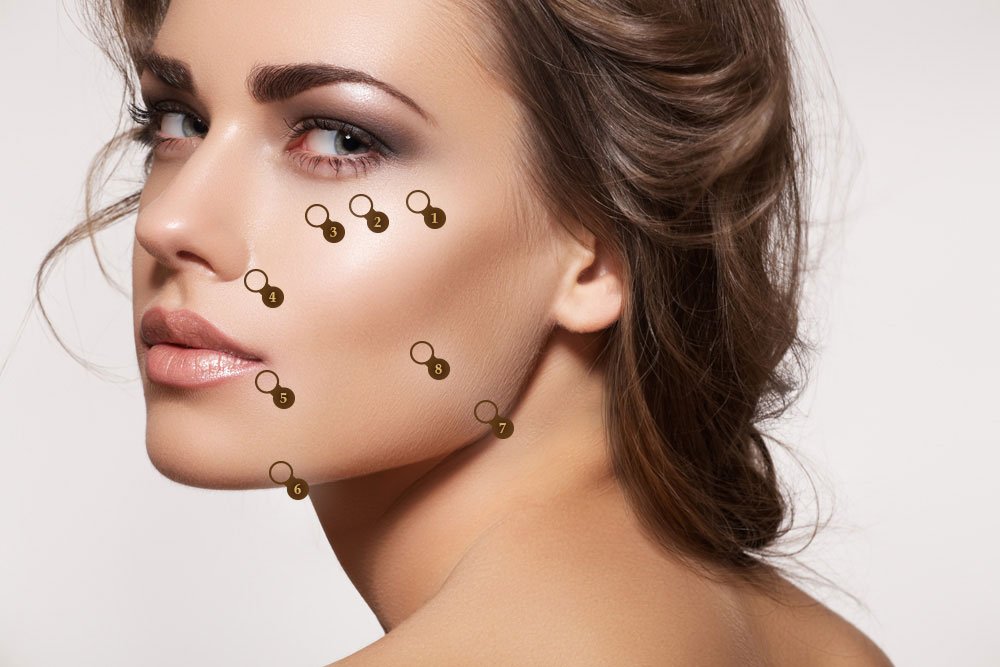
A liquid facelift is a non-surgical facial rejuvenation procedure designed to restore volume, smooth out wrinkles, and lift sagging facial structures using strategic cosmetic injectables. Many individuals opting for facial aesthetic enhancements choose the Liquid Facelift in Abu Dhabi to achieve a refreshed appearance without undergoing invasive surgery.
- Non-surgical approach using targeted cosmetic injectables.
- Restores structural facial volume and reduces fine lines.
- Combines different injectable compounds for optimal synergy.
- Provides immediate structural support with minimal disruption to daily life.
Understanding the Fundamentals of Non-Surgical Rejuvenation
As the human body matures, natural aging processes lead to a loss of collagen, elastin, and subcutaneous fat. Over time, this biological decline reduces skin elasticity and leads to structural volume depletion, resulting in hollowed contours, sagging skin, and prominent expression lines.
- Aging reduces natural collagen, skin elasticity, and facial fat pads.
- Bone resorption over time alters underlying facial architecture.
- Traditional surgical facelifts reposition underlying tissues through incisions.
- Non-surgical methods restore volume from within to lift sagging tissue.
A liquid facelift addresses structural volume loss by using soft-tissue injectables rather than surgical scalpels or tissue excision. By restoring lost volume beneath the surface, the procedure creates a subtle lifting effect that smooths out facial folds and contours key features.
Key Components Used in a Liquid Facelift
The success of this procedure relies on combining specialized injectable formulations, primarily dermal fillers and neuromodulators. Each component serves a distinct purpose in restoring facial symmetry and youthful smoothness.
- Dermal fillers replace lost volume in hollow or sunken areas.
- Hyaluronic acid fillers attract moisture to plump skin tissues.
- Biostimulatory fillers encourage continuous natural collagen production.
- Neuromodulators relax dynamic muscles that cause surface wrinkles.
Dermal fillers—most commonly composed of hyaluronic acid or collagen-stimulating materials—act as volumizing agents that fill hollow temples, lift flattened cheekbones, and plump deep folds. Meanwhile, neuromodulators temporarily relax specific facial muscles responsible for dynamic movement, preventing the formation and deepening of facial lines.
Common Areas Targeted During the Treatment
A liquid facelift is highly customizable, allowing for full-face balancing or precise correction of individual regions. Multiple points across the upper, mid, and lower facial areas can be treated simultaneously.
- Upper face: Smoothing brow lines and restoring hollow temples.
- Mid-face: Plumping cheek contours and filling tear troughs under the eyes.
- Lower face: Softening smile lines, marionette lines, and jowls.
- Contour definition: Sharpening the jawline and restoring chin projection.
By strategically placing injectables across these connected points, the technique restores balance to the entire face rather than treating isolated wrinkles. Refining cheek structures naturally lifts the lower facial tissues, softening smile lines and firming jawline contours.
How the Mechanism Works to Lift and Smooth Skin
The mechanics of a non-surgical facial lift rely on dermal volumization and muscle relaxation working in tandem. Together, these mechanisms smooth dynamic surface wrinkles while providing structural elevation.
- Injected volume creates physical scaffolding under sagging skin.
- Tighter skin tension reduces folds around smile and jaw lines.
- Relaxed facial muscles prevent skin creasing during facial expressions.
- Hydrating properties of injectables improve overall skin texture and plumpness.
Injecting high-density filler into deep tissue planes creates structural support that lifts overlying skin. Concurrently, neuromodulators decrease repetitive muscular contractions around the forehead and eyes, allowing the skin surface to heal and stay smooth.
Ideal Candidates for the Procedure
While non-surgical rejuvenation works well for many individuals, determining suitability involves assessing skin quality, elasticity, and personal aesthetic goals.
- Individuals with mild to moderate volume loss or early facial sagging.
- People seeking subtle, natural-looking facial enhancement.
- Those looking to smooth fine lines, crow’s feet, or smile folds.
- Anyone seeking a non-invasive treatment with minimal disruption to daily routine.
Candidates with severe skin laxity or significant excess tissue may benefit more from surgical interventions. However, for those experiencing early to moderate signs of aging, injectables offer an effective way to restore youthful contours without major downtime.
The Treatment Experience and Procedure Steps
Understanding what happens during a session helps set accurate expectations. The process involves careful evaluation, precise marking, and targeted placement of cosmetic compounds.
- Preliminary structural mapping to identify key injection points.
- Cleansing and application of topical numbing agent for comfort.
- Precise administration of dermal fillers using fine needles or micro-cannulas.
- Strategic placement of neuromodulators into targeted facial muscles.
- Gentle massage to ensure even distribution and seamless integration.
The entire procedure typically takes between 30 and 60 minutes. Advanced delivery techniques, such as blunt-tipped micro-cannulas, allow for smooth tissue movement during filler placement while helping reduce post-procedure tenderness.
Expected Results and Longevity
The outcomes of a non-surgical facial transformation appear quickly, making it a popular choice for modern facial aesthetic care.
- Volumizing effects of dermal fillers are visible immediately.
- Neuromodulator muscle-relaxing effects develop over 3 to 14 days.
- Final full visual results show within two weeks after settling.
- Longevity varies from 6 to 24 months based on materials used.
Because metabolic rates and product formulations differ, longevity varies across individuals. Fillers placed in high-mobility areas like the lips break down faster than those placed deep along the cheekbones or temples. Maintenance touch-ups help preserve initial results over time.
Comparing Non-Surgical and Traditional Surgical Facelifts
Choosing between non-surgical and surgical options depends on personal goals, the extent of facial aging, and lifestyle preferences.
- Surgical facelifts reposition muscle tissue and excise loose skin.
- Non-surgical liquid facelifts restore underlying volume and relax muscles.
- Surgery requires general anesthesia and significant recovery time.
- Injectables involve no surgical incisions or long recovery windows.
- Surgical outcomes are permanent, whereas injectable results are temporary and adjustable.
Non-surgical methods allow for subtle, gradual adjustments that evolve with natural changes in facial structure, providing greater flexibility over time.
FAQs
What is the primary difference between a liquid facelift and traditional dermal fillers?
A standard filler treatment typically targets a single isolated area, such as the lips or smile lines. In contrast, a liquid facelift uses a comprehensive, multi-point approach combining both fillers and neuromodulators to lift, shape, and balance the entire face in a single session.
How long does it take to see the final results of a liquid facelift?
Volumizing improvements from dermal fillers are visible immediately following the procedure. Muscle-smoothing effects from neuromodulators gradually develop over 3 to 14 days, with full results settling naturally within two weeks.
Can a liquid facelift be customized to individual aesthetic needs?
Yes, every treatment plan is tailored to address specific areas of volume loss, skin asymmetry, or fine lines. Injections are placed strategically based on unique facial architecture and individual rejuvenation goals.
How often are touch-up sessions needed to maintain results?
Because the body naturally metabolizes injectable products over time, touch-ups are usually scheduled every 9 to 18 months, depending on the specific filler types used and individual metabolic rates.