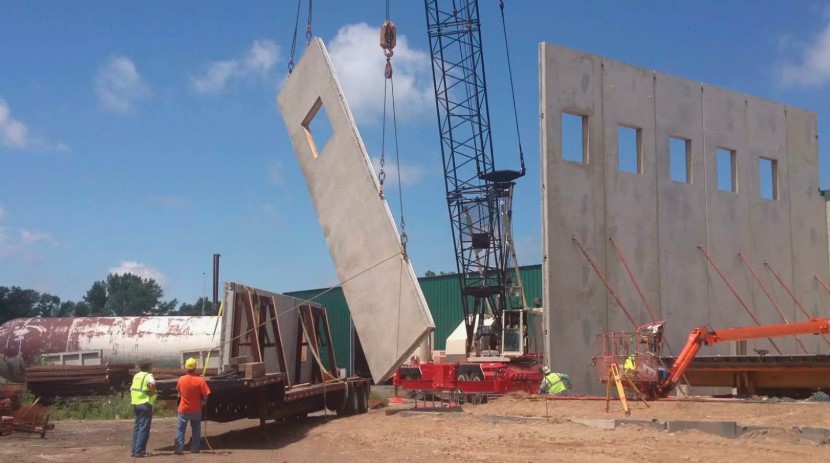
Concrete structure design is one of the most critical aspects of modern construction engineering. From residential homes and commercial complexes to bridges and industrial facilities, concrete remains the backbone of durable infrastructure. Its strength, versatility, and long service life make it the preferred material for engineers and architects worldwide. However, achieving safety, efficiency, and sustainability requires careful planning and precise design principles.
We will explore the fundamentals, importance, methods, and modern innovations in concrete structure design, along with its benefits and practical applications in today’s construction industry.
Understanding Concrete Structure Design
Concrete structure design refers to the process of planning and analyzing structural elements made from concrete to ensure they can safely support loads throughout their lifespan. These structural elements include beams, slabs, columns, foundations, retaining walls, and more.
The design process involves evaluating factors such as load-bearing capacity, environmental conditions, material strength, and safety standards. Engineers rely on building codes and standards like ACI (American Concrete Institute) or Eurocode to ensure accuracy and compliance.
A well-designed concrete structure must balance strength, durability, cost-efficiency, and sustainability.
Importance of Concrete Structure Design
The importance of concrete structure design cannot be overstated in construction engineering. A properly designed structure ensures safety, longevity, and cost savings.
1. Structural Safety
The primary goal is to ensure the structure can withstand all expected loads, including dead loads, live loads, wind, and seismic activity. Poor design can lead to structural failures, which may cause severe damage or loss of life.
2. Durability
Concrete structures are exposed to environmental factors like moisture, temperature changes, and chemical exposure. Good design helps improve resistance to cracking, corrosion, and degradation.
3. Cost Efficiency
Efficient design minimizes material waste while maintaining strength. Optimized reinforcement and proper sizing of structural elements reduce overall construction costs.
4. Sustainability
Modern concrete structure design incorporates eco-friendly materials and techniques that reduce carbon footprint and promote sustainable construction practices.
Key Components of Concrete Structure Design
A successful concrete structure design includes several critical components:
1. Load Analysis
Engineers evaluate all possible loads that the structure may experience. This includes static loads (permanent) and dynamic loads (temporary or moving).
2. Material Selection
The quality of concrete mix, steel reinforcement, and additives significantly impacts structural performance. High-strength concrete and corrosion-resistant materials are often used for critical projects.
3. Structural Elements Design
Each part of the structure—columns, beams, slabs, and foundations—is designed individually and then integrated into a complete system.
4. Reinforcement Detailing
Steel reinforcement is added to concrete to improve tensile strength. Proper detailing ensures crack control and structural stability.
5. Foundation Design
The foundation transfers loads from the structure to the ground. Its design depends on soil conditions, load type, and building size.
Modern Techniques in Concrete Structure Design
With advancements in technology, concrete structure design has evolved significantly.
1. Computer-Aided Design (CAD) and BIM
Tools like CAD and Building Information Modeling (BIM) allow engineers to create detailed 3D models, improving accuracy and reducing errors during construction.
2. High-Performance Concrete
Modern concrete mixtures include additives like fly ash, silica fume, and polymers to enhance strength and durability.
3. Pre-Stressed and Post-Tensioned Concrete
These methods improve load-bearing capacity by applying internal forces that counteract external loads.
4. Sustainable Design Practices
Green building techniques focus on reducing cement usage, recycling materials, and minimizing environmental impact.
Applications of Concrete Structure Design
Concrete structure design is used across a wide range of construction projects:
- Residential buildings
- Commercial skyscrapers
- Bridges and highways
- Dams and water treatment plants
- Industrial warehouses
- Parking structures
Each application requires unique design considerations based on load requirements and environmental conditions.
Challenges in Concrete Structure Design
Despite its advantages, engineers face several challenges:
- Cracking due to shrinkage or thermal expansion
- Corrosion of reinforcement steel
- Complex load calculations in high-rise buildings
- Environmental impact of cement production
- Construction errors due to poor workmanship
These challenges require advanced engineering solutions and strict quality control.
Future of Concrete Structure Design
The future of Structural inspection Company is moving toward automation, sustainability, and smart materials. Self-healing concrete, AI-assisted design tools, and carbon-neutral construction methods are becoming more common.
Engineers are also exploring 3D printing technology for concrete structures, which reduces waste and speeds up construction timelines.
Conclusion
Concrete structure design is a fundamental aspect of modern engineering that ensures the safety, strength, and durability of buildings and infrastructure. With continuous advancements in materials, technology, and sustainable practices, the field is evolving rapidly. Proper design not only enhances structural performance but also reduces costs and environmental impact. As construction demands grow worldwide, the importance of efficient and innovative concrete structure design will continue to increase, shaping the future of safe and sustainable infrastructure.