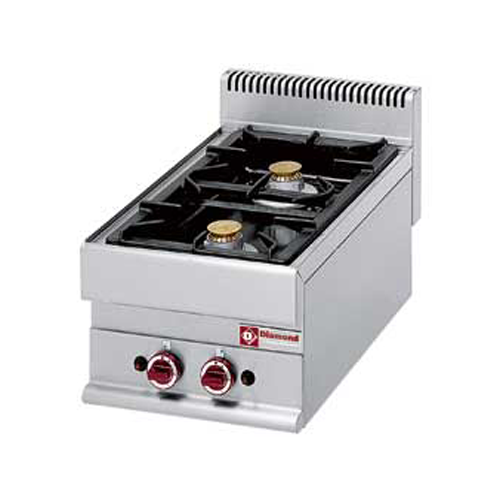
Upgrading a commercial kitchen can help a food service business improve productivity, accommodate a changing menu, and address recurring equipment problems. However, a successful renovation involves more than replacing old appliances with newer models. Business owners must consider workflow, installation requirements, food safety, staff training, and the cost of keeping operations running during the transition. Choosing a reliable kitchen supply store can help businesses find suitable commercial kitchen equipment that meets their operational needs and budget.
A structured upgrade plan helps businesses focus on the changes that provide the greatest operational benefit while avoiding unnecessary spending.
Identifying the Reasons for an Upgrade
The first step is to understand why the existing kitchen no longer meets business needs. Common reasons include increasing order volumes, frequent equipment breakdowns, limited storage capacity, poor workflow, and the introduction of new menu items.
Reviewing Equipment Condition
Create an inventory of existing appliances and record their age, condition, service history, and operating limitations. Equipment that requires frequent repairs or struggles to maintain suitable performance may need replacement.
However, older equipment should not automatically be considered unsuitable. If an appliance remains reliable, safe, and appropriate for its intended purpose, maintenance may be more economical than replacement.
Gathering Feedback From Kitchen Staff
Employees work with kitchen equipment every day and can identify problems that may not be obvious during a management inspection.
Ask staff which tasks take the longest, where congestion occurs, and which appliances create recurring delays. Their feedback can help distinguish genuine equipment needs from problems that could be solved through better organization.
Developing a Realistic Equipment Budget
An upgrade budget should include the full cost of purchasing and installing equipment, rather than focusing only on advertised prices.
Accounting for Installation Requirements
Some appliances require electrical modifications, plumbing connections, gas installation, ventilation changes, drainage improvements, or reinforced flooring.
These requirements should be assessed before equipment is ordered. Confirming site conditions early can help prevent installation delays and unexpected expenses.
Allowing for Maintenance and Training
New machinery may require staff training, specialized cleaning supplies, and revised maintenance procedures. Businesses should include these expenses in the overall budget.
Warranty terms, service availability, and replacement-part costs should also be considered when comparing suppliers.
Selecting Equipment That Fits the Menu
A kitchen upgrade should support the business’s actual food production requirements. Purchasing equipment based on appearance or unnecessary features can increase costs without improving performance.
Reviewing Cooking Requirements
Examine the current menu and identify the cooking methods used most frequently. Grills, ovens, fryers, ranges, and steamers should be selected according to production volume and the consistency required for each dish.
If the menu is changing, consider the expected demand for new items before choosing appliance capacity.
Evaluating Preparation Machinery
Food processors, mixers, slicers, and other preparation equipment can reduce repetitive manual work. The appropriate choice depends on the ingredients processed, batch sizes, available attachments, and cleaning requirements.
Safety features and operator training are especially important when introducing unfamiliar machinery.
Improving Kitchen Layout During Renovation
Replacing appliances provides an opportunity to address layout problems that may have developed over time.
Mapping the Workflow
Document how ingredients move from delivery and storage through preparation, cooking, plating, and cleaning. Identify unnecessary travel, overlapping work areas, and points where staff frequently wait for access.
The revised layout should minimize avoidable movement while maintaining appropriate separation between activities.
Checking Utilities and Ventilation
Equipment dimensions and utility requirements must be confirmed before installation. Cooking appliances may require suitable extraction, while refrigeration units need appropriate ventilation and service access.
Qualified professionals should assess electrical, gas, plumbing, and fire safety requirements. Changes should comply with applicable building and food service regulations.
Managing Refrigeration and Storage Upgrades
Storage problems can limit kitchen performance even when cooking equipment is adequate. A renovation should review the quantities and types of ingredients stored, delivery frequency, and access requirements.
Choosing Suitable Storage Capacity
Consider whether the kitchen needs additional upright refrigerators, under-counter units, freezers, or walk-in storage. Capacity should reflect realistic stock levels and safe storage requirements.
Selecting the largest available unit is not always the best decision. Oversized equipment may occupy valuable space and increase operating expenses.
Improving Stock Organization
Adjustable shelving, labeled containers, and designated storage zones help staff locate ingredients efficiently. Clear stock rotation procedures can reduce waste and improve inventory visibility.
Storage arrangements should also support cleaning and temperature monitoring.
Planning the Upgrade Without Disrupting Service
Restaurants and catering businesses may lose revenue if renovations interrupt operations for longer than expected. A clear implementation schedule helps reduce disruption.
Scheduling Delivery and Installation
Coordinate equipment delivery with site readiness and the availability of qualified installers. Confirm access routes, delivery dimensions, installation dates, and commissioning requirements in advance.
Where possible, schedule major work during quieter trading periods or planned closures.
Testing Equipment Before Use
Before returning the kitchen to full production, verify that appliances operate according to their specifications. Check temperature controls, safety mechanisms, connections, and ventilation as applicable.
Staff should receive practical instruction on operation, cleaning, and emergency procedures before using unfamiliar equipment independently.
Establishing a Maintenance Plan After the Upgrade
A new kitchen still requires regular attention. Maintenance procedures should be introduced as soon as the equipment becomes operational.
Recording Equipment Information
Keep purchase documents, model numbers, warranty details, installation records, and service contacts in one accessible location. This information can simplify future maintenance and support warranty claims.
Monitoring Performance
Review repair frequency, energy use, production delays, and staff feedback after the upgrade. Comparing actual performance with the original objectives helps determine whether the investment is delivering the intended benefits.
If problems persist, further adjustments to workflow, training, or equipment positioning may be necessary.
Choosing a Supplier for Long-Term Support
A reliable supplier can contribute to a smoother upgrade by providing accurate product specifications, installation guidance, warranty information, and access to technical assistance.
Before committing to a purchase, confirm delivery terms, payment conditions, after-sales service, and the availability of spare parts. Clear communication can help avoid misunderstandings during installation and commissioning.
Final Thought
Upgrading an existing commercial kitchen is an opportunity to improve productivity, address equipment limitations, and create a safer, more organized working environment. The best results come from evaluating current problems, planning the budget carefully, selecting suitable machinery, and preparing staff for new procedures. Businesses with specific rapid-freezing requirements should also assess whether a suitable blast freezer fits their production workflow, available space, energy budget, and food safety processes.