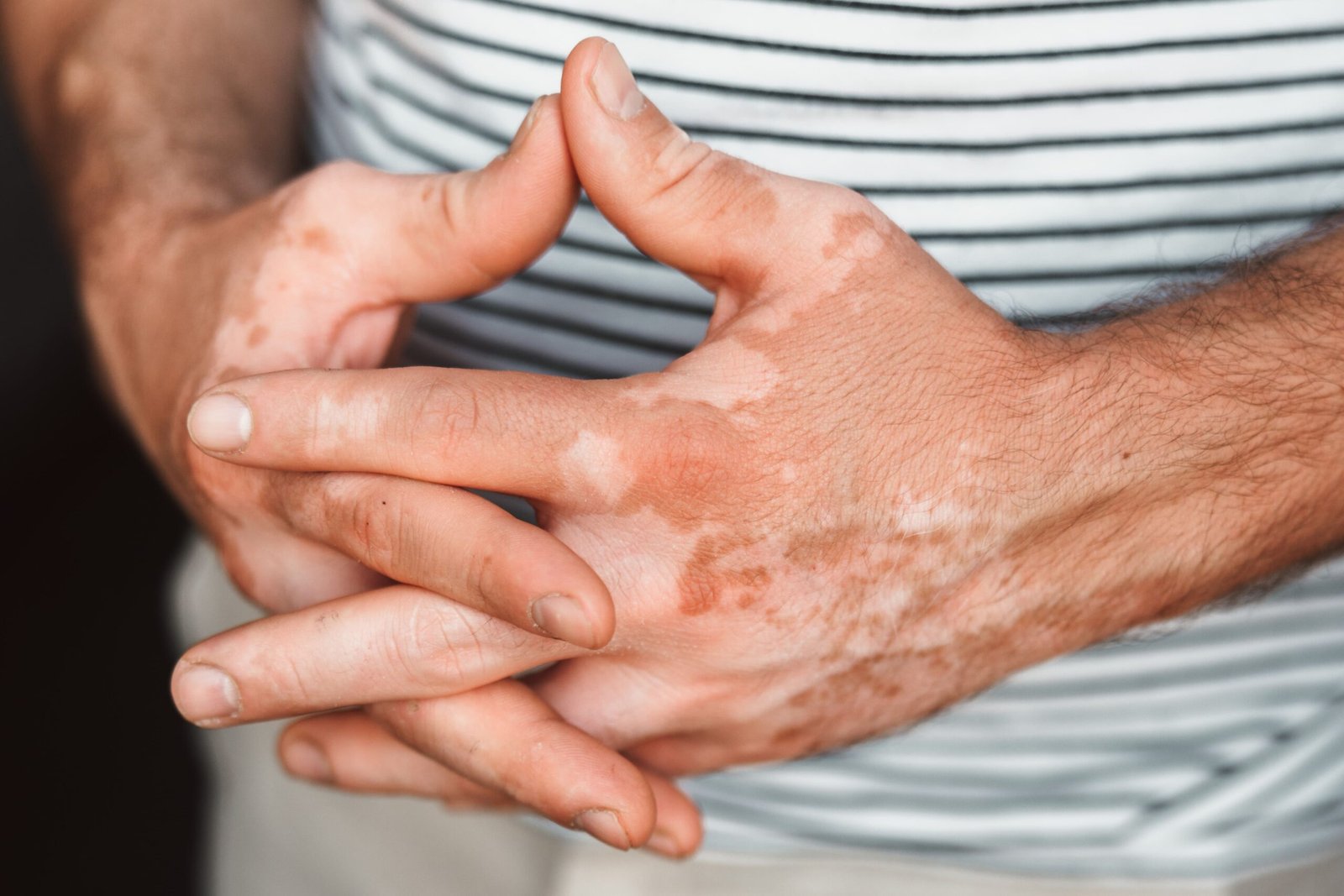
Skin health management encompasses a wide variety of therapeutic interventions designed to address conditions affecting pigmentation, such as Vitiligo treatment in Abu Dhabi, which has advanced significantly through non-invasive pathways. Individuals seeking solutions for uneven skin tones often wonder about the availability of non-surgical pathways. Fortunately, contemporary dermatology offers several robust, non-invasive modalities aimed at restoring lost color, halting the expansion of patches, and balancing overall dermal harmony. This guide details the primary non-surgical techniques utilized globally to manage and support healthy skin pigmentation.
Exploring Topical Medications and Creams
- Anti-Inflammatory Options: Utilizing specialized corticosteroid formulations applied directly to target areas to regulate localized immune responses.
- Immune Modulators: Employing calcineurin inhibitors and targeted enzyme-blocking creams to protect melanin-producing cells.
- Application Guidance: Emphasizing precise timing and structured use under professional supervision to maximize efficacy.
Topical formulations represent the foundational tier of non-surgical dermatological care. When individuals notice early shifts in skin coloration, specialized creams and ointments are frequently introduced to manage the local immune environment. Certain targeted treatments work by calming inflammation and preventing immune cells from reacting against the body’s natural pigment-producing cells, known as melanocytes. Over recent years, topical Janus kinase (JAK) inhibitors have also emerged as valuable additions, helping to block specific signaling pathways involved in pigment loss. These non-invasive remedies allow individuals to manage affected areas conveniently as part of a daily skincare routine.
Harnessing the Power of Light Therapy
- Phototherapy Mechanisms: Utilizing controlled wavelengths of ultraviolet light to stimulate dormant pigment cells within the skin.
- Targeted Devices: Employing narrow band ultraviolet B (NBUVB) light boxes or localized lasers for precise application.
- Gradual Restoration: Supporting natural repigmentation processes through consistent, scheduled exposure sessions over several months.
Light therapy stands as a cornerstone non-surgical approach for addressing widespread or persistent depigmented patches. By exposing the skin to specific, measured bands of ultraviolet light, dermatologists can activate cellular mechanisms that encourage melanin production and encourage color to return from the edges of patches or hair follicles. This method avoids surgical interventions entirely, relying instead on specialized light equipment administered in controlled environments. Because skin response varies based on body location and individual biology, light therapy sessions are carefully customized to ensure safety, comfort, and steady progress over time.
Lifestyle Integration and Supportive Care
- Sun Protection Strategies: Shielding vulnerable, depigmented skin from intense ultraviolet exposure using high-SPF sunscreens.
- Cosmetic Camouflage: Employing specialized medical-grade makeup and blending creams to create a uniform appearance.
- Holistic Wellness: Supporting emotional resilience and skin vitality through balanced nutrition, stress reduction, and informed self-care routines.
Managing skin pigmentation concerns involves more than active medical interventions; daily maintenance plays an equally vital role in overall well-being. Because areas lacking natural melanin are more sensitive to sunlight, incorporating broad-spectrum sun protection is an essential daily habit. Additionally, many individuals utilize specialized skin camouflage techniques and cosmetic blending products to instantly harmonize skin tones for social and professional settings. Coupled with emotional counseling and supportive peer networks, these lifestyle measures empower individuals to maintain confidence and manage their skin health gracefully.
Frequently Asked Questions
Can non-surgical treatments completely remove pigment loss?
While non-surgical options cannot permanently eradicate the underlying condition, they can successfully restore significant color to affected areas, create a more uniform tone, and slow the progression of new patches.
How long does it take to see results from light therapy?
Repigmentation through light therapy is a gradual biological process. Most individuals require consistent sessions over a period of several months before noticing visible improvements in skin coloration.
Are topical creams safe for all age groups?
Various formulations, including milder topical options and specific light-based protocols, can be tailored for individuals of different age groups under professional dermatological guidance.
Is daily sun protection necessary during non-surgical care?
Yes, protecting the skin with high-SPF sunscreen is critical to prevent sunburn and minimize the contrast between pigmented and depigmented skin regions.