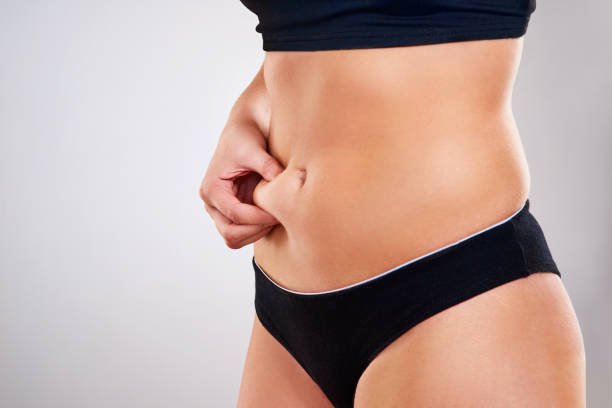
Fat reduction treatment has become a popular option for individuals who want to improve their body contours and address stubborn fat deposits in specific areas. One of the most common questions people ask before considering this approach is how long the results will remain visible. The longevity of treatment outcomes depends on several factors, including the technology used, individual body composition, and lifestyle habits. Fat Reduction in Abu Dhabi provides different approaches designed to target localized fat and create more defined body contours. Understanding how these treatments work and what influences their long-term effectiveness can help individuals develop realistic expectations and make informed decisions about their body contouring goals.
How Does Fat Reduction Treatment Produce Long-Lasting Results?
Fat reduction treatment works by targeting fat cells in specific areas of the body. Depending on the selected technology, it may use controlled cooling, heating energy, ultrasound, or other specialized techniques to affect unwanted fat deposits. These approaches are designed to reduce the number of fat cells within the treated area rather than simply producing temporary changes in body measurements.
Once targeted fat cells are affected, the body gradually processes and eliminates them through its natural metabolic systems. This process takes time, so visible improvements generally develop over several weeks or months. When fat cells are permanently removed or destroyed through an appropriate treatment, they do not typically regenerate in the same area. However, the remaining fat cells can still increase in size if overall body weight rises significantly.
How Long Can Fat Reduction Treatment Results Last?
Fat reduction treatment results can last for many years, particularly when individuals maintain a relatively stable body weight. The longevity of the outcome depends on the specific procedure and how it affects fat cells. Treatments that permanently destroy or remove targeted fat cells can provide long-lasting changes in the treated area.
However, long-lasting results do not mean that the body’s appearance will remain exactly the same forever. Natural aging, changes in body composition, hormonal fluctuations, and weight variations can influence the overall appearance of the treated area.
For this reason, it is important to understand that fat reduction is designed to improve localized body contours rather than prevent future fat accumulation. Maintaining consistent habits can help preserve the improvements achieved through treatment.
What Factors Affect the Longevity of Fat Reduction Results?
Several factors influence how long fat reduction results remain noticeable. One of the most important is body weight stability. Significant weight gain can cause remaining fat cells to expand, potentially reducing the definition achieved through treatment.
Individual metabolism also plays a role in overall body composition. People naturally differ in how their bodies store and distribute fat, which can influence how their contours change over time. Genetics may also determine which areas are more likely to accumulate fat.
The selected treatment technology is another important consideration. Different procedures affect fat cells in different ways, and their outcomes may vary depending on the technique used. Skin elasticity, age, and the amount of localized fat present can also influence the overall appearance and durability of the results.
Can Fat Cells Return After Fat Reduction Treatment?
One common concern is whether fat cells can return after treatment. When a procedure permanently destroys or removes targeted fat cells, those specific cells generally do not grow back. This is one reason certain fat reduction procedures can provide long-lasting contouring improvements.
However, the body still contains fat cells throughout the treated and untreated areas. These remaining cells can enlarge when the body stores additional energy. As a result, substantial weight gain may affect the appearance of the treated area even after successful fat reduction.
It is therefore important to distinguish between the return of destroyed fat cells and the enlargement of existing fat cells. The latter can change body contours and make previous improvements less noticeable without reversing the original treatment process.
Does Maintaining a Stable Weight Help Preserve Results?
Maintaining a stable body weight is one of the most important factors in preserving fat reduction results. When body weight remains relatively consistent, the treated area is less likely to develop additional fullness caused by expanding fat cells.
Weight stability also helps maintain balanced body proportions. Since fat reduction focuses on selected areas, significant changes in overall body weight can affect both treated and untreated regions. This may influence the appearance of the waist, abdomen, thighs, arms, or other body areas.
Consistent daily habits and a balanced approach to personal wellness can support long-term body composition. Although fat reduction treatment can change localized fat deposits, it is not a substitute for maintaining overall health and weight stability.
Do Different Fat Reduction Treatments Have Different Results?
Yes, different fat reduction technologies can produce different outcomes and timelines. Some approaches use controlled cooling to affect fat cells, while others rely on heat-based energy, ultrasound, or specialized procedures that remove fat directly.
The way each technique interacts with fat cells influences how the body responds and how long visible changes may take to develop. Certain treatments gradually reduce targeted fat deposits, while other approaches may create more immediate changes in body contour.
The longevity of results also depends on whether the selected technique permanently removes or destroys fat cells. Therefore, it is important to understand the characteristics of a particular treatment rather than assuming that every fat reduction method offers identical results.
Can Aging Affect Fat Reduction Treatment Results?
Natural aging can influence the appearance of the body even after successful fat reduction treatment. As people grow older, changes in skin elasticity, muscle tone, and fat distribution can affect how different body areas look.
Although treated fat cells may remain permanently reduced, surrounding tissues can continue to change over time. Reduced skin firmness may influence the smoothness of the treated area, while natural changes in body composition can affect overall proportions.
This means that long-lasting fat reduction results do not necessarily prevent age-related changes. Instead, the treatment may provide a lasting improvement in localized fat distribution while the body continues its natural aging process.
When Should You Consider Additional Fat Reduction Treatment?
Some individuals may consider additional treatment if their initial results do not fully address their aesthetic goals. This may happen when the targeted fat deposits are more extensive or when the desired contour requires further improvement.
The need for additional sessions depends on the treatment technology, individual response, and the amount of fat being addressed. Some procedures are designed to produce their intended outcome through a single session, while others may involve multiple sessions for gradual improvement.
An appropriate assessment of the treated area helps determine whether additional treatment is necessary. It is also important to allow sufficient time for the body’s natural response before evaluating the final outcome.
Final Thoughts
Fat reduction treatment can provide long-lasting improvements by targeting and reducing localized fat cells. The results may remain visible for many years when the selected procedure permanently affects the targeted cells and individuals maintain a relatively stable body weight. However, natural aging, changes in body composition, and significant weight fluctuations can influence the appearance of treated areas over time. Understanding these factors helps create realistic expectations about treatment longevity. With an appropriate treatment approach and consistent attention to overall wellness, individuals can support the lasting appearance of their body contouring results.
FAQs
How many years do fat reduction treatment results last?
Results can last for many years, depending on the treatment method, individual body composition, and weight stability.
Are fat reduction treatment results permanent?
Results can be long-lasting when targeted fat cells are permanently destroyed or removed, although remaining fat cells can still enlarge.
Can weight gain affect fat reduction results?
Yes, significant weight gain can enlarge existing fat cells and make the treated area appear fuller again.
Do fat reduction results change with age?
Yes, natural aging can affect skin elasticity, fat distribution, and overall body contours over time.
Is repeat fat reduction treatment necessary?
Not always. Additional treatment depends on individual goals, the initial outcome, and the specific technology used.