Achieving a balanced, sculpted silhouette often requires more than consistent exercise and disciplined nutrition alone, as stubborn pockets of localized fat can resist even the most dedicated lifestyle habits. For individuals exploring advanced aesthetic refinement, Liposuction Abu Dhabi represents a widely sought-after body contouring approach designed to reshape specific proportions rather than serve as a general weight-loss method. Understanding how targeted fat removal aligns with personal aesthetic goals helps clarify whether this procedure delivers meaningful, long-term value for body proportions and self-confidence.
- Targeted Silhouette Refinement: Body contouring focuses on sculpting stubborn fat deposits that remain unaffected by regular workouts and balanced nutrition.
- Focus on Proportion Over Scale: The primary goal of body sculpting is improving overall bodily symmetry and clothing fit rather than reducing overall body weight.
- Long-Term Aesthetic Alignment: Evaluating personal body goals clarifies how targeted contouring supports lasting satisfaction with physical appearance.
Understanding the Core Purpose of Body Contouring
Body contouring encompasses aesthetic techniques aimed at altering the shape, smoothness, and definition of specific anatomical zones. Unlike systemic weight reduction—which shrinks fat cells throughout the entire body—targeted contouring physically removes excess adipose tissue from isolated areas to create cleaner lines and smoother transitions between muscle groups.
- Precision Fat Removal: Contouring selectively addresses localized fat pads in regions such as the abdomen, flanks, thighs, arms, and submental area.
- Enhanced Anatomical Definition: Removing overlying fat layers reveals underlying muscular contours and natural structural curves.
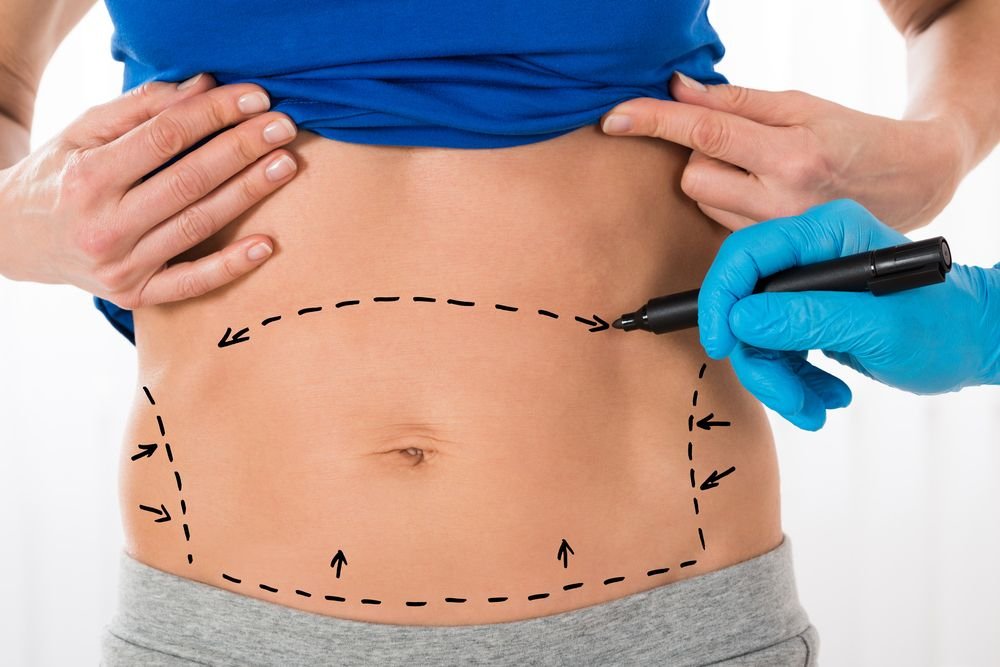
- Customized Aesthetic Planning: Treatment zones are mapped according to an individual’s unique skeletal frame and soft-tissue distribution.
Distinguishing Weight Loss from Body Sculpting
A common misconception surrounding body contouring is equating it with obesity management or rapid weight reduction. Weight loss reduces the volume of fat cells globally across the body, whereas body sculpting permanently eliminates a specific number of fat cells from chosen problem areas. Candidates who benefit most are typically near their stable, ideal weight and seek refinement where genetics or hormones maintain persistent fat stores.
- Global Shrinkage vs. Local Removal: Diet and exercise shrink fat cells everywhere, while contouring removes specific fat cell populations permanently.
- Ideal Baseline Stability: Optimal results occur when individuals maintain a consistent weight prior to undergoing body sculpting.
- Genetic Fat Resistance: Certain body zones naturally store resistant fat receptors that respond poorly to caloric deficits alone.
How Targeted Fat Removal Reshapes Proportions
Proportion plays a decisive role in how balanced and athletic a physique appears. Even modest reductions in localized volume—such as smoothing love handles or refining the outer thighs—can dramatically alter the visual ratio between the waist, hips, and upper body. By harmonizing adjacent body segments, contouring creates a cohesive, natural-looking profile from every angle.
- Waist-to-Hip Harmony: Slimming the flanks and lower abdomen accentuates natural waistline curvature and balanced proportions.
- Smoother Clothing Fit: Eliminating localized bulges allows garments to drape evenly without tightness or pinching in specific areas.
- 360-Degree Balance: Addressing front, side, and back contours simultaneously ensures seamless transitions across the torso and limbs.
Key Factors That Determine Whether Liposuction Is Worth It
Deciding if body contouring holds genuine value depends on realistic expectations, skin quality, lifestyle commitment, and the specific anatomical areas being addressed. When these foundational elements align, the aesthetic return on personal investment is typically high and enduring.
- Alignment with Realistic Goals: Satisfaction depends on expecting proportional refinement rather than total physical transformation.
- Role of Skin Elasticity: Firm, elastic skin retracts smoothly over newly contoured areas for a taut, natural finish.
- Post-Procedure Lifestyle Habits: Maintaining stable nutrition and regular physical activity preserves sculpted contours over the long term.
Skin Elasticity and Tissue Quality
The ability of the skin to contract and conform to reduced underlying volume is one of the most influential predictors of contouring success. Youthful or well-maintained skin with strong collagen and elastin networks tightens smoothly after fat removal. Conversely, areas with significant skin laxity may require complementary skin-tightening approaches to achieve optimal firmness.
- Natural Retraction Capacity: Strong elastin fibers allow skin to adapt seamlessly to slimmer underlying contours.
- Assessment of Skin Tone: Evaluating tissue firmness beforehand ensures realistic expectations regarding post-contouring smoothness.
- Complementary Tightening Options: Combining gentle energy-based tightening with fat removal can enhance surface smoothness when mild laxity exists.
Permanence of Fat Cell Reduction
Adult human bodies generally stop generating new fat cells after adolescence, meaning fat cells removed during body contouring do not regenerate. While remaining fat cells in untreated or treated areas can still expand if significant weight gain occurs, the proportional improvement achieved in the contoured zone remains intact.
- Non-Regenerating Adipose Cells: Removed fat cells are permanently eliminated from the targeted anatomical pocket.
- Proportional Preservation: Even with minor natural weight fluctuations, treated areas tend to accumulate less volume than before.
- Motivation for Healthy Maintenance: Seeing defined contours often inspires individuals to sustain balanced eating and fitness routines.
Psychological and Lifestyle Benefits
Beyond physical measurements, resolving long-standing frustrations with stubborn body areas frequently yields meaningful psychological benefits. Many individuals experience greater comfort in fitted attire, swimwear, and activewear, alongside renewed motivation to stay active when their hard work in the gym becomes visually apparent.
- Boosted Wardrobe Confidence: Freedom from hiding specific body zones expands clothing choices and daily comfort.
- Visible Fitness Rewards: Removing stubborn fat layers allows underlying muscle tone built through exercise to show clearly.
- Lasting Peace of Mind: Resolving persistent aesthetic concerns reduces self-consciousness in social and active settings.
Common Areas Addressed for Optimal Contouring Value
Certain body regions respond exceptionally well to targeted fat removal because their fat deposits are dense, fibrous, or genetically predisposed to linger despite overall leanness. Understanding which zones yield the clearest visual improvements helps clarify where contouring offers the strongest impact.
- High-Impact Torso Zones: The abdomen and flanks consistently deliver noticeable improvements in silhouette and waistline definition.
- Lower Body Refinement: Inner and outer thighs benefit from smoother lines and reduced friction or bulging.
- Upper Body and Neckline: Arms, upper back rolls, and the under-chin area respond well to precise, small-volume sculpting.
Abdomen and Flanks
The midsection is the most frequently targeted region for body contouring due to hormonal and genetic tendencies to store fat around the waist. Refining the upper and lower abdomen alongside the flanks creates a flatter stomach profile and a sharper, more defined waistline.
- Upper and Lower Abdominal Smoothing: Removing stubborn central fat creates a flatter, firmer-looking midsection.
- Flank and Love-Handle Reduction: Sculpting the sides of the waist narrows the torso silhouette from both front and back views.
- Enhanced Core Definition: Thinning the subcutaneous fat layer highlights natural abdominal contours.
Thighs, Hips, and Arms
Localized fat along the outer thighs (“saddlebags”), inner thighs, and upper arms can disrupt overall limb proportions. Gentle, even fat removal in these areas creates leaner, more streamlined limbs that balance seamlessly with the torso.
- Outer and Inner Thigh Contouring: Smoothing lateral bulges and inner-thigh fullness creates cleaner leg lines.
- Upper Arm Sculpting: Reducing fullness along the back of the arms restores balanced upper-body proportions.
- Circumferential Precision: Careful feathering around limb contours prevents uneven transitions and maintains natural softness.
Submental Area and Jawline
Even slender individuals frequently experience hereditary fullness beneath the chin, which can obscure jawline definition and make the face appear heavier. Targeted sculpting of the submental pocket sharpens the neck-to-chin angle and enhances facial balance.
- Sharper Jawline Definition: Removing submental fat creates a crisp, well-defined transition between the jaw and neck.
- Youthful Profile Enhancement: Eliminating a double chin restores sleekness to the side profile.
- Minimal Volume, High Visual Impact: Small, precise adjustments beneath the chin produce noticeable overall facial refinement.
Modern Advancements Enhancing Body Contouring Results
Contemporary body contouring has evolved substantially from early techniques, incorporating smaller instrumentation, gentler fat disruption, and precision sculpting methods. These refinements enable smoother results, greater control over delicate zones, and more predictable aesthetic outcomes.
- Refined Micro-Cannula Precision: Ultra-thin instruments allow for delicate sculpting and smoother transitions in superficial fat layers.
- Energy-Assisted Fat Disruption: Ultrasound and laser-assisted technologies help loosen dense fat before removal for gentler extraction.
- High-Definition Sculpting Techniques: Advanced mapping techniques accentuate natural muscular shadows and athletic contours.
Micro-Cannula and Tumescent Refinements
Modern techniques utilize slender micro-cannulas that glide smoothly through adipose tissue, allowing for meticulous, layered fat removal. Combined with specialized fluid infiltration that prepares the tissue, these methods improve precision and help maintain uniform surface smoothness.
- Layered Tissue Sculpting: Working across deep and superficial planes prevents irregularities and ensures even contours.
- Targeted Control in Delicate Areas: Smaller instruments enable safe, accurate refinement in smaller zones like the chin, knees, and arms.
- Consistent Surface Smoothness: Gentle, controlled movements preserve surrounding connective structures for natural-looking results.
Energy-Assisted Contouring Technologies
Technologies utilizing gentle ultrasonic waves, radiofrequency, or laser energy can selectively liquefy or loosen stubborn, fibrous fat cells prior to removal. In addition to facilitating smoother extraction in dense areas like the upper back or male chest, controlled thermal energy can encourage subtle collagen remodeling in the overlying dermis.
- Easier Fibrous Fat Breakdown: Energy assistance softens dense tissue pockets for smoother, less traumatic removal.
- Support for Skin Firmness: Gentle subdermal warming stimulates natural collagen contraction during the healing window.
- Versatility Across Body Types: Adaptable energy settings accommodate varying fat densities and anatomical needs.
Preparing for and Sustaining Your Contouring Results
Maximizing the value of body contouring extends well beyond the procedure itself, relying heavily on thoughtful preparation and consistent post-contouring habits. Treating the process as a partnership between aesthetic refinement and healthy daily living ensures results endure for years.
- Pre-Contouring Weight Stability: Maintaining a steady weight for several months beforehand establishes a reliable baseline for sculpting.
- Structured Aftercare Adherence: Following post-procedure compression and movement guidelines supports smooth tissue settling.
- Long-Term Wellness Integration: Balanced nutrition, hydration, and regular strength and cardio exercise protect sculpted proportions.
Establishing a Stable Baseline
Entering a body contouring journey at a sustainable, comfortable weight allows for accurate assessment of true stubborn fat pockets rather than temporary weight fluctuations. Proper hydration, balanced micronutrient intake, and avoiding nicotine also optimize tissue health and natural healing capacity.
- Consistent Pre-Procedure Weight: Avoiding crash diets before sculpting ensures accurate targeting of permanent fat deposits.
- Optimal Tissue Hydration: Well-hydrated skin and connective tissues respond more predictably during contouring and recovery.
- Healthy Circulation Support: Refraining from smoking or nicotine preserves healthy blood flow essential for smooth recovery.
Long-Term Maintenance Strategies
While removed fat cells do not return, preserving sleek contours requires maintaining overall caloric balance. Incorporating regular resistance training builds underlying muscle tone, which further enhances the sculpted appearance of treated zones as swelling subsides and final contours settle.
- Balanced Macronutrient Nutrition: Focusing on whole foods, lean proteins, and healthy fats prevents remaining fat cells from enlarging.
- Progressive Strength Training: Toning muscles beneath contoured areas amplifies definition and firmness.
- Patience During Tissue Settling: Allowing several months for residual swelling to resolve reveals the true, refined silhouette.
Frequently Asked Questions (FAQs)
1. How long does it take to see final body contouring results after liposuction?
Initial improvements in silhouette are often noticeable within a few weeks as primary swelling subsides, while final, refined contours typically become fully visible between three and six months once all residual fluid resolves and the skin settles completely into its new shape.
2. Can liposuction tighten loose or sagging skin on its own?
Liposuction primarily removes excess subcutaneous fat rather than excising loose skin. Individuals with good skin elasticity experience smooth natural retraction, whereas those with moderate to significant skin laxity may achieve better results by pairing fat removal with dedicated skin-tightening treatments.
3. Will fat return in other areas of the body after targeted contouring?
Removed fat cells do not grow back in the treated zone, nor does the body automatically redirect fat elsewhere. However, if a person consumes excess calories and gains significant weight overall, remaining fat cells throughout both treated and untreated regions will expand proportionally.
4. Who is considered an ideal candidate for body contouring liposuction?
Ideal candidates are adults who are already close to their stable, healthy target weight, possess firm and elastic skin, and want to eliminate localized, exercise-resistant fat pockets to improve overall body proportion and symmetry rather than achieve general weight loss.