Laser hair removal can be suitable for many people, but it is not equally effective for every skin tone, hair color, or individual need. Laser Hair Removal in Abu Dhabi may be considered by people seeking longer-lasting hair reduction, with suitability depending on the technology used, the contrast between skin and hair, and a careful assessment of the person’s skin.
How Laser Hair Removal Works
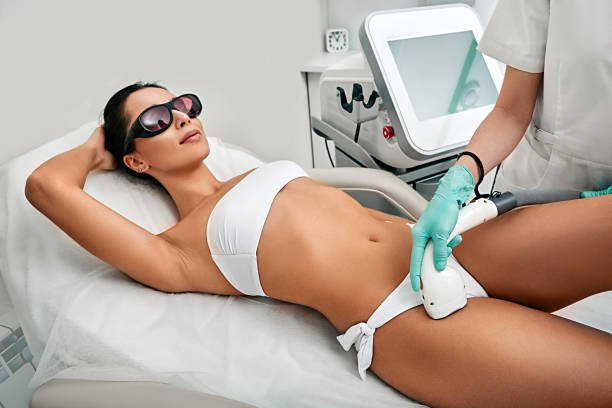
Laser hair removal directs concentrated light toward pigment in the hair. The hair absorbs the light, which affects the follicle and can reduce future growth. Because the treatment relies partly on pigment, results can vary with hair color and skin tone.
Hair grows in cycles, so multiple sessions are generally needed to address follicles at different stages. Results also vary from person to person.
Suitability for Different Skin Types
Light Skin
People with light skin and dark hair have often been considered suitable candidates because the contrast can make it easier for laser energy to target hair pigment. The specific device and settings still matter.
Medium and Olive Skin
Many people with medium or olive skin may be suitable candidates when an appropriate laser is selected and settings are tailored to their skin. A qualified practitioner can assess skin tone, hair characteristics, and treatment areas before proceeding.
Dark Skin
Darker skin may also be treated with suitable laser technology and carefully chosen settings. The practitioner’s experience with a range of skin tones is important, as is an individual assessment rather than relying on a one-size-fits-all approach.
How Hair Color Affects Results
Laser hair removal tends to work best on hair with more pigment. Dark brown or black hair may respond more readily, while blonde, white, gray, or some red hair may be less responsive because it contains less of the pigment targeted by many lasers.
A consultation can help clarify whether the person’s hair is likely to respond and what results may be realistic.
What Can Affect Suitability?
Suitability may depend on several factors:
- Skin tone and hair color
- The laser technology available
- The treatment area
- Hair thickness and growth pattern
- Recent tanning or changes in skin pigmentation
- Individual health and skin history
A trained practitioner can review these factors and explain whether treatment is appropriate for the individual.
What to Expect During an Assessment
Skin and Hair Review
The practitioner may examine the treatment area and ask about skin sensitivity, hair growth, and previous hair-removal methods. This helps determine whether the person is a suitable candidate.
Patch Test
A patch test may be recommended to observe how a small area responds to the selected settings. The practitioner can explain when it is appropriate and how the results will guide treatment planning.
Personalised Treatment Plan
If treatment is considered suitable, the practitioner can discuss the expected number and spacing of sessions, likely results, and any limitations. The plan should be tailored to the individual’s skin and hair rather than based on a general schedule.
Frequently Asked Questions
Is laser hair removal suitable for every skin tone?
It may be suitable for many skin tones when the technology and settings are chosen appropriately. An individual assessment is important, especially for darker skin tones.
Does laser hair removal work on light-colored hair?
It may be less effective on blonde, gray, white, or some red hair because these hair colors often have less of the pigment targeted by the laser. A practitioner can assess whether treatment is likely to help.
Can someone with sensitive skin consider treatment?
Sensitive skin does not automatically rule out treatment, but it should be discussed during the assessment. The practitioner can review the person’s skin history and decide whether a patch test or adjusted approach is appropriate.
How many sessions may be needed?
The number of sessions varies according to the treatment area, hair growth cycle, hair characteristics, and individual response. The practitioner can provide a more relevant estimate after an assessment.
How can someone decide whether treatment is right for them?
A consultation with a qualified practitioner can help determine whether the person’s skin tone and hair type are suitable. The person should ask about the technology used, the practitioner’s experience with their skin tone, and the results they can reasonably expect.