Hair loss can appear in different ways, including a receding hairline, thinning at the crown, diffuse hair loss, and distinct bald patches. Each pattern can affect the scalp’s appearance differently, making it important to choose a cosmetic approach that matches individual needs. Scalp Micropigmentation in Islamabad is an option for people who want to create the appearance of fuller hair without undergoing hair transplant surgery.
Scalp micropigmentation uses specialised pigment to create tiny impressions that resemble hair follicles. It can help reduce the contrast between the scalp and existing hair, giving certain areas a denser appearance. However, the suitability and expected results depend on the pattern of hair loss, skin characteristics, hairstyle preferences, and treatment goals.
Understanding Different Hair Loss Patterns
Hair loss does not look the same for everyone. Some people experience gradual thinning across the scalp, while others notice changes around the temples, crown, or front hairline. Certain individuals develop more defined bald areas.
Understanding your hair loss pattern is an important first step when considering cosmetic treatment. A practitioner can examine the scalp, discuss your expectations, and explain which areas may benefit from micropigmentation.
It is also important to identify the possible cause of hair loss. Sudden, patchy, or unexplained hair loss may require assessment by a healthcare professional before pursuing a cosmetic procedure.
Scalp Micropigmentation for a Receding Hairline
A receding hairline is a common concern among people experiencing hair thinning. As the hairline moves backward, the forehead may appear more prominent, and the temples can become increasingly visible.
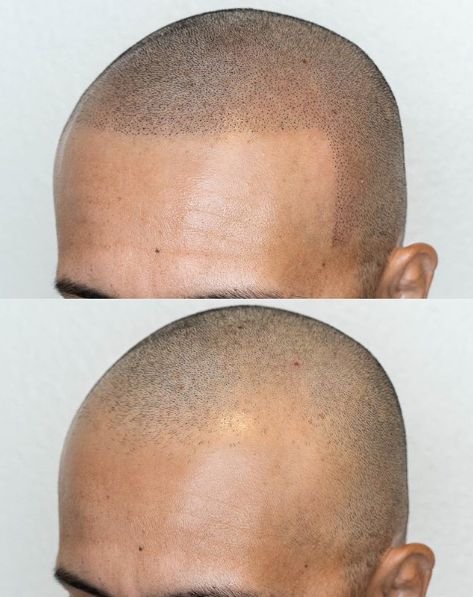
Scalp micropigmentation may help create the appearance of a more defined hairline by placing pigment in a carefully planned pattern. The design should complement facial features, age, and the existing hairline rather than appear unnaturally straight or dense.
People considering Scalp Micropigmentation in Islamabad should discuss their preferred hairline during consultation. A practitioner can explain what is achievable and show examples of healed results to help establish realistic expectations.
Addressing Thinning at the Crown
The crown is another area where hair loss can become noticeable, particularly under bright lighting or when hair is wet. Reduced density may allow more of the scalp to show through existing strands.
Scalp micropigmentation can sometimes make the crown appear less sparse by reducing the visual contrast between the scalp and surrounding hair. The approach depends on the amount of remaining hair, the size of the thinning area, and the desired hairstyle.
For individuals with longer hair, the practitioner should explain how pigment will blend visually with existing hair. Micropigmentation does not add actual strands, so the final appearance will differ from the results of a hair-growth procedure.
Exploring Options for Diffuse Hair Thinning
Diffuse thinning occurs when hair density decreases across a broader area rather than in one distinct spot. It can affect the top of the scalp and may make the skin more visible between individual strands.
In selected cases, scalp micropigmentation may create the impression of greater density by adding follicle-like pigment impressions. The treatment plan must be designed carefully so that the pigment complements the remaining hair and does not create an uneven appearance.
A professional assessment is particularly useful when thinning is widespread. Your practitioner can explain the procedure’s limitations and whether another approach, or a combination of treatments, may better match your goals.
Scalp Micropigmentation for Bald Areas
Some people experience more extensive hair loss that leaves clearly visible bald areas. For individuals who prefer a closely shaved hairstyle, scalp micropigmentation may create the appearance of evenly distributed hair follicles.
The practitioner designs the pattern to suit the scalp and the person’s preferred look. The effect is cosmetic rather than biological: pigment creates the visual impression of follicles but does not produce new hair.
If you have extensive baldness, discuss the intended appearance carefully before treatment. Viewing healed examples can help you understand the likely result and decide whether the technique aligns with your expectations.
Camouflaging Scars and Uneven Areas
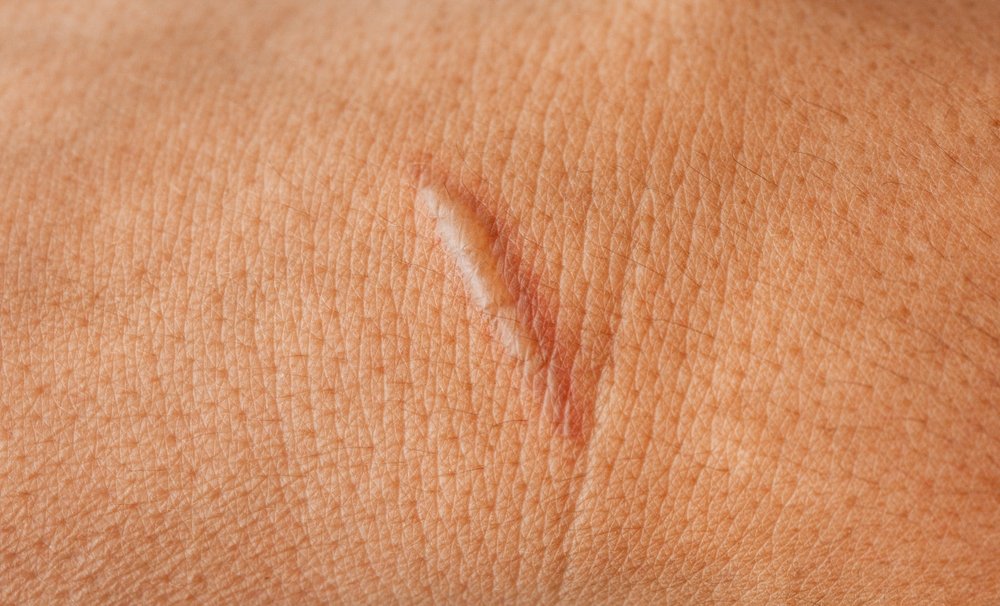
Hair transplant procedures, injuries, or other conditions can sometimes leave scars on the scalp. In selected cases, micropigmentation may help make suitable scars less noticeable by blending pigment with the surrounding area.
Not every scar is appropriate for treatment. Scar texture, colour, thickness, and healing history can affect the outcome. A qualified practitioner should assess the area and explain potential limitations before recommending the procedure.
If the scar is painful, changing, or not fully healed, seek medical advice before considering cosmetic treatment.
Choosing a Suitable Treatment Plan
The most appropriate approach depends on your hair loss pattern, skin condition, personal preferences, and long-term expectations. During a consultation, discuss the following factors:
- Hairline design: Choose a style that complements your facial features.
- Pigment selection: The colour and placement should suit your scalp and existing hair.
- Treatment sessions: Several appointments may be required to build the desired appearance.
- Aftercare: Follow instructions to protect the skin during recovery.
- Future hair loss: Natural hair may continue thinning after treatment.
- Maintenance: Pigment may fade, and touch-ups could be needed.
When researching Scalp Micropigmentation in Islamabad, choose an experienced practitioner who follows appropriate hygiene standards and explains risks, costs, and expected results clearly.
Benefits and Limitations to Consider
Scalp micropigmentation is a non-surgical cosmetic option that can help create a fuller-looking appearance without transplanting hair follicles. It may suit people who prefer a closely shaved hairstyle or want to reduce the visibility of thinning areas.
However, it does not stimulate hair growth or treat the underlying cause of hair loss. Potential risks include infection, irritation, allergic reactions, scarring, uneven pigment retention, and dissatisfaction with the final appearance.
A consultation with a qualified provider can help you weigh these considerations and determine whether the procedure is suitable for your goals.
Conclusion
Scalp micropigmentation can be tailored to different hair loss patterns, including receding hairlines, thinning crowns, diffuse thinning, and selected bald areas. Its purpose is to improve the visual appearance of the scalp rather than restore actual hair growth. By understanding your hair loss pattern, choosing a qualified practitioner, and maintaining realistic expectations, you can make a more informed decision about this cosmetic option.
Frequently Asked Questions
1. Can scalp micropigmentation help with different types of hair loss?
It may improve the appearance of several patterns, including receding hairlines, thinning crowns, and some bald areas. Suitability depends on individual circumstances. If you are considering Scalp Micropigmentation in Islamabad, consult a practitioner to discuss your hair loss pattern and expected results.
2. Is scalp micropigmentation suitable for diffuse thinning?
It may create the appearance of greater density in selected cases by reducing the contrast between the scalp and remaining hair. Results depend on the amount of existing hair and the treatment design. A consultation for Scalp Micropigmentation in Islamabad can help determine whether it suits your needs.
3. Can scalp micropigmentation cover scars from hair transplant surgery?
It may help camouflage certain healed scars, but not every scar is suitable for treatment. Scar texture, colour, and condition affect the potential result. Before choosing Scalp Micropigmentation in Islamabad, have the area assessed by an experienced practitioner.
4. Does scalp micropigmentation prevent future hair loss?
No. Scalp micropigmentation creates a cosmetic impression of hair follicles but does not prevent thinning or stimulate new growth. If you are exploring Scalp Micropigmentation in Islamabad, discuss future hair-loss changes and possible maintenance with your practitioner.
For more information visit
Enfield royal clinic in islamabad