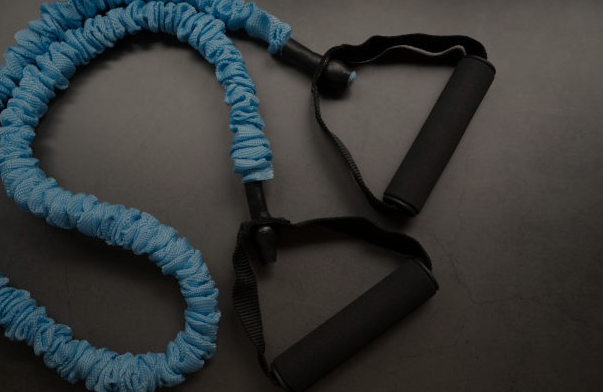
You do not need a large home gym to create a workout that feels varied and challenging. A few well-chosen tools can cover strength, mobility, and bodyweight training without filling the room with bulky equipment. Bands with handles and push-up handles are especially useful because they support a wide range of movements while remaining easy to store.
But not every set offers the same resistance, grip comfort, stability, or range of exercises. Choosing the right combination can make your workouts smoother and more effective from the start. Here is what to look for before adding either option to your home fitness setup:
Key Takeaways
- Choose resistance levels that allow controlled movement through the full exercise range.
- Comfortable, secure handles matter during higher-repetition workouts.
- Push-up handles should stay stable and support a natural wrist position.
- Versatile equipment is more useful than collecting several tools with overlapping functions.
- Storage, attachment points, and available floor space should influence your final choice.
Choosing Bands With Handles for Full-Body Training
Match the Resistance to Your Current Strength
The first thing to check is the resistance range. Bands with handles are usually available in different tension levels, and some sets allow several bands to be combined for greater resistance.
Lighter resistance works well for shoulder exercises, mobility work, and movements that require longer ranges of motion. Heavier resistance may suit rows, presses, squats, and other exercises involving larger muscle groups.
A useful set should let you increase difficulty gradually. If every band feels either too easy or too demanding, progression becomes harder. Look for clearly identified resistance levels so you can choose the right amount for each exercise instead of using one band for everything.
Check Handle Comfort and Grip
The handles are the main contact point between you and the resistance band, so comfort matters.
Look for handles that fit securely in your hands without forcing your fingers into an awkward position. A textured or cushioned grip can make longer sessions more comfortable, especially during rows, curls, presses, and higher-repetition exercises.
The connection between the handle and band should also feel secure. Clips, carabiners, and attachment points should close properly and show no obvious signs of weakness.
Good handles allow you to focus on the movement itself rather than constantly adjusting your grip.
Look at Attachment Options
Versatility often depends on where and how the bands can be anchored.
Some sets include door anchors, ankle straps, or additional connectors. A door anchor can make exercises such as rows, pulldowns, presses, and certain core movements possible without requiring permanent installation.
Before using an anchor, make sure the door, frame, and attachment method are suitable for resistance training. Follow the manufacturer’s setup instructions and check the band for wear before each session.
For people building a small collection of garage gym equipment, bands can add many exercise options without requiring another large machine or rack.
Choosing Push-Up Handles for Better Floor Training
Prioritize Stability
Push-up handles should stay firmly in place while you exercise.
A wide or well-designed base can help reduce unwanted movement. Rubberized contact points may also improve grip on hard flooring, although performance varies depending on the surface.
Test the handles on the floor where you actually plan to train. A model that feels stable on rubber gym flooring may behave differently on tile, wood, or carpet.
Stability is more important than complicated features. If the handles shift when you place weight through them, they will be difficult to use confidently.
Consider Wrist Position and Handle Height
One reason people use push-up handles is to change how the wrist is positioned during floor exercises.
Traditional push-ups place the hands flat against the floor, which creates greater wrist extension. Handles allow you to grip a raised surface instead.
Choose a handle height that feels natural and still lets you control the movement. Extremely tall handles may increase the range of motion more than you need, while very low models may offer little difference from standard floor push-ups.
Comfort should always come before trying to achieve the deepest possible repetition.
Choose the Right Handle Shape
Push-up handles come in fixed, angled, rotating, and compact designs.
Fixed handles are simple and often easier to position consistently. Angled handles may change wrist alignment, while rotating models allow some movement through the repetition.
For most home users, a straightforward design with a solid grip and stable base is enough. Complex mechanisms are not automatically better.
The best choice depends on how you prefer to perform push-ups and whether you want the handles for standard repetitions, elevated variations, or other floor-based exercises.
Build a Balanced Home Workout Setup
Combine Equipment That Serves Different Purposes
A useful home gym does not need several tools that all solve the same problem.
Bands with handles can support pulling, pressing, arm, shoulder, and lower-body exercises. Push-up handles focus more on floor pressing movements and upper-body bodyweight training.
Combining the two creates more variety without taking up much space.
If you already own square dumbbells, you can use those for heavier resistance work while keeping bands for accessory exercises, mobility, and movements that benefit from changing tension.
The same principle applies to cardio. A magnetic exercise bike may handle steady cardiovascular training, leaving your smaller tools available for strength and mobility sessions.
Think About Storage and Daily Convenience
Equipment is more likely to be used when it is easy to reach, set up, and put away.
Bands can usually be stored in a small bag, drawer, or wall organizer. Push-up handles can fit under a bench, inside a storage bin, or beside other workout essentials.
Avoid creating a setup that requires moving several items before every session. The easier your equipment is to access, the easier it becomes to maintain a consistent routine.
Conclusion
The best bands with handles are not necessarily the set with the most resistance levels or attachments. They are the ones that fit your current strength, provide secure grips, and support the movements you use regularly.
Push-up handles should follow the same rule. Look for stability, comfortable hand placement, and a design that fits your floor space and exercise style.
When both tools are chosen carefully, they can cover a surprising amount of full-body training without requiring bulky machines. Start with the exercises you already enjoy, then add resistance or new variations as your strength improves.
FAQs
Can Two Different Brands of Band Attachments Be Mixed?
Only use combinations that the manufacturers expressly approve. Similar-looking clips and attachment loops may have different load limits or dimensions. If compatibility is unclear, ask the maker or use the matched components supplied for the set.
How Should Elastic Equipment Be Stored Between Trips?
Release all tension and follow the manufacturer’s temperature and storage guidance. Keep the tubing away from sharp objects and inspect it after transport. A separate pouch can help prevent connectors from rubbing against the elastic material.
Are Rotating Push-Up Handles Better for Everyone?
No single handle design suits every user. Rotating models introduces movement that may require more control. Compare the intended use, stability, and comfort, and consider a fixed model if extra movement makes the exercise harder to manage.