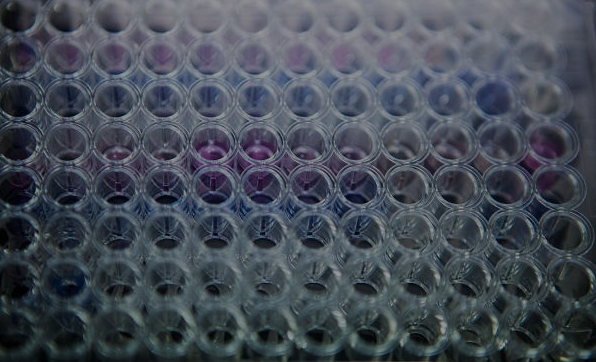
A name printed on a vial gives researchers a starting point, but it does not establish what the sample contains. That distinction becomes important when the goal is to study a defined molecule rather than rely on a supplier’s description.
Peptide characterization connects a claimed identity to analytical evidence, yet the term itself can sound more complicated than it needs to be. Researchers reviewing technical reports also need to understand which questions a result answers and which remain open.
Read on to discover how characterization supports clearer decisions about compound identity, quality, and the reliability of supporting research material documentation.
Key Takeaways
- Molecular identity verification confirms whether a peptide matches its intended structure.
- Analytical testing helps distinguish target compounds from detectable impurities.
- Chromatographic purity and total peptide content represent different measurements.
- Structural analysis reveals chemical variations that basic identification may miss.
- Consistent analytical documentation supports reliable compound quality assessments.
How Peptide Characterization Establishes Identity and Quality
- Confirming Molecular Identity
A peptide’s identity depends on its amino acid sequence, molecular composition, and relevant structural characteristics. Two materials may have similar names while differing in sequence length or chemical modifications.
Mass spectrometry helps verify molecular identity by measuring mass-to-charge ratios. The resulting measurements can be compared with values expected for the intended compound.
However, molecular mass alone may not distinguish peptides containing the same amino acids arranged in different sequences.
Additional analytical methods may therefore be necessary to establish sequence identity or identify specific chemical modifications. For research-grade peptides, documentation should clearly connect the reported identity measurements to the compound being supplied. This distinction helps researchers avoid treating a matching molecular mass as complete confirmation of the intended peptide structure.
- Measuring Chemical Purity
Chemical purity assessment examines the proportion of a target compound relative to detectable impurities within a sample. Peptide characterization helps researchers interpret these measurements and understand the chemical composition of the material being evaluated.
High-Performance Liquid Chromatography (HPLC) is commonly used to separate peptide-related components and estimate chromatographic purity. Results are frequently expressed as percentages, but their interpretation requires care. For example, a reported 98% chromatographic purity generally describes the main peak’s share of the integrated detector response under specified analytical conditions.
It does not necessarily establish that 98% of the material’s total mass consists of the intended peptide. Water, counterions, residual solvents, and substances not adequately detected by the method can affect the overall composition. Researchers should therefore distinguish chromatographic purity from actual peptide content when evaluating analytical results.
- Identifying Structural Impurities
Peptide synthesis can produce unintended molecular variations that differ from the target sequence. Identifying these variations is an important part of peptide characterization, as they can affect the material’s chemical identity and quality.
These impurities may originate from incomplete coupling reactions, chemical degradation, or modifications occurring during manufacturing.
Common examples include:
- Deletion sequences: Peptides missing one or more intended amino acids.
- Truncated sequences: Molecules containing incomplete peptide chains.
- Oxidized variants: Compounds altered through oxidation reactions.
- Isomeric impurities: Molecules with similar compositions but different structural arrangements.
Some impurities may have molecular masses close to or identical to those of the intended compound. Consequently, a single analytical method may not reveal every relevant structural variation.
Combining suitable separation and identification techniques can provide a more complete understanding of the material’s chemical profile.
- Examining Sequence and Modifications
A peptide’s amino acid sequence establishes its primary structure, but additional chemical features may also affect its identity.
Terminal modifications, stereochemistry, and other structural changes can distinguish related compounds. For example, the AOD 9604 peptide is a modified fragment associated with the human growth hormone sequence. Its documented identity should reflect the specific sequence and modifications of the material being supplied.
Similarly, the semax peptide has a defined amino acid sequence that distinguishes it from other peptide substances. These examples demonstrate why broad product categories are insufficient for establishing chemical identity.
Researchers should examine whether documentation identifies the exact peptide structure rather than relying solely on commercial naming conventions.
- Interpreting Analytical Documentation
Analytical measurements become more useful when they are presented alongside clear product specifications.
A Certificate of Analysis (COA) should identify the tested material and explain which analytical findings support its stated quality characteristics.
Important documentation elements include:
- Compound Identification: The peptide name and relevant chemical identifiers.
- Analytical Methods: Techniques used to evaluate identity and composition.
- Measured Results: Numerical findings associated with individual tests.
- Acceptance Criteria: Specifications used to determine compliance.
- Batch Information: Identification linking the results to the supplied material.
A listing in a peptide shop may include a purity percentage, but the underlying certificate should explain how that result was established. Complete documentation helps researchers distinguish measurable analytical evidence from general product descriptions.
- Evaluating Batch Consistency
A compound’s analytical profile should remain consistent with its defined specifications across production batches.
However, manufacturing differences can influence impurity levels, chemical composition, and other measurable characteristics.
Batch comparisons therefore require more than checking whether products share the same name. Researchers should examine whether individual lots have been evaluated using appropriate analytical methods and consistent acceptance criteria.
Peptide characterization also helps identify unexpected changes that may require additional investigation before materials are considered comparable. A favorable result from one batch cannot independently establish the characteristics of another.
Consistent testing records provide stronger evidence that supplied materials conform to their declared specifications.
Conclusion
Accurate compound identification requires more than recognizing a peptide name or accepting a reported purity percentage. Peptide characterization helps researchers examine molecular identity, chemical composition, structural impurities, and consistency across production batches. Analytical methods such as chromatography and mass spectrometry provide valuable information, while clear documentation connects these findings to the material being evaluated. Understanding the limitations of individual measurements is equally important when assessing product quality.
By reviewing compound specifications, analytical results, and batch records together, researchers can develop a more complete understanding of material characteristics and select substances appropriate for their intended laboratory investigations.
FAQs
Can Peptide Characterization Determine Biological Activity?
Chemical analysis alone cannot establish biological activity. Appropriate biological assays are needed when activity is relevant to the intended investigation.
Does Characterization Confirm That a Peptide Is Sterile?
No. Chemical identity and purity testing do not establish sterility. Sterility requires separate testing using suitable microbiological methods.
Can Two Peptides Have Identical Molecular Masses?
Yes. Different amino acid sequences or structural arrangements can produce identical molecular masses, requiring additional methods for identification.
Is Visual Appearance Reliable for Identifying Peptides?
No. Color and physical appearance cannot reliably establish chemical identity. Analytical verification is necessary to support identification claims.
Can Peptide Characterization Identify Every Possible Contaminant?
No. Analytical methods have specific detection limits and capabilities. Additional testing may be necessary to investigate contaminants outside the selected methods’ scope.