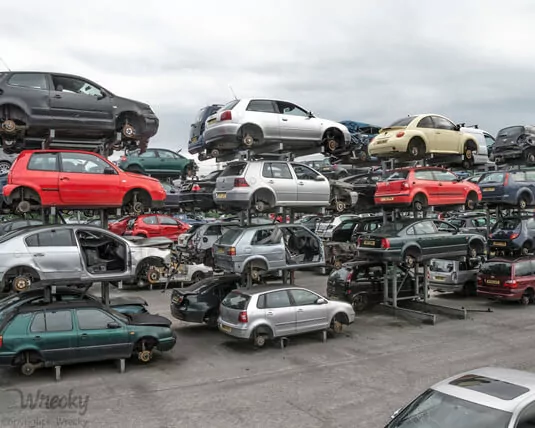
Vehicle recycling is the process of taking an old, damaged, unwanted or end-of-life vehicle apart so its useful materials and parts can be used again. A vehicle contains many materials that can enter another production cycle instead of going straight to landfill.
Cars are made from steel, aluminium, copper, glass, rubber, plastics and other materials. They also contain fluids, batteries and electronic parts that need proper handling. When a vehicle reaches the end of its road life, recycling gives these materials another use.
Auto wrecking plays an important role in this process. Wrecking yards receive vehicles, inspect them, remove usable parts, separate materials and send recyclable items to suitable recycling facilities. This helps reduce the amount of material that becomes waste.
Why Old Vehicles Need Proper Recycling
An unwanted vehicle is more than a large metal object. It can contain materials that need careful handling before the shell is sent for metal recovery.
Engine oil, coolant, brake fluid, transmission fluid and other automotive fluids can remain inside a vehicle. Batteries can also contain substances that need controlled handling. If these materials are released into soil or waterways, they can create environmental problems.
Proper vehicle recycling separates these materials before the vehicle body is processed. This gives recyclers a way to recover useful resources while reducing the chance of harmful substances entering the environment.
The process also keeps large amounts of metal in circulation. Steel, for example, can be recovered from old vehicles and used in the production of new steel products.
How Auto Wrecking Helps the Recycling Process
Auto wrecking is closely linked with vehicle recycling. A vehicle usually goes through several stages before its remaining shell is processed.
1. Vehicle Collection
The process begins when an unwanted vehicle reaches a wrecking facility. The vehicle may be old, damaged, written off, unused or no longer suitable for its owner.
Collection removes the vehicle from private property, roads and other locations where it is no longer needed. Once it reaches the facility, the vehicle can be assessed for parts and materials.
2. Vehicle Inspection
The vehicle is inspected to identify parts that may still have a useful purpose. Age, condition, damage and demand for a particular component can affect whether a part is removed for reuse.
Parts such as engines, gearboxes, alternators, starter motors, wheels, mirrors, doors and interior components may be assessed during this stage.
Not every part can be reused. Damaged or worn components are separated from parts that can continue to serve a purpose.
3. Removal of Fluids
Before further dismantling, fluids are removed from the vehicle. This can include engine oil, coolant, brake fluid, fuel and other automotive liquids.
Fluid removal is an important part of responsible vehicle processing. It reduces the risk of spills and allows materials to be handled through the right waste or recycling channels.
4. Parts Recovery
Usable components can be removed from the vehicle and prepared for another vehicle. This is one of the main ways auto wrecking supports the circular use of automotive materials.
A replacement part recovered from an end-of-life vehicle can prevent another usable component from being discarded. It can also reduce the need to manufacture a new replacement part.
5. Material Separation
After reusable components have been removed, the remaining vehicle contains large amounts of material that can be separated for recycling.
Steel makes up a large share of the average vehicle by weight. Aluminium, copper and other metals can also be recovered. Glass, plastics and rubber may be separated where suitable recycling pathways are available.
Material separation allows each recovered material to move into a more suitable recycling stream.
Learn how scrap metal recycling on the Gold Coast helps recover valuable metals from end-of-life vehicles and supports the wider vehicle recycling process, visit: https://adrians.com.au/scrap-metal-recycler-gold-coast/
Steel Recovery From Old Cars
Steel is one of the most important materials recovered from end-of-life vehicles.
Vehicle bodies, frames and many other components contain steel. When an old vehicle is processed, the steel can be separated and sent to metal recycling facilities.
Recycling steel uses existing metal rather than relying only on newly extracted raw materials. The recycled steel can then enter manufacturing processes for new products.
The World Steel Association states that steel can be recycled repeatedly without losing its basic properties. This makes steel recovery an important part of resource management.
Aluminium and Copper Recovery
Cars also contain non-ferrous metals such as aluminium and copper.
Aluminium can be found in various vehicle components, including some engine and body parts. Copper is used in wiring, electrical systems, motors and other components.
These metals have a useful place in recycling because they can be recovered and processed for later use.
Separating different metals is important because mixed materials can be harder to process. Auto wrecking helps by dismantling vehicles and sorting components before materials move to recycling facilities.
Reusing Vehicle Parts
Vehicle recycling is not limited to crushing metal. Reusing parts is another important part of the process.
A part that is still in working condition can sometimes be removed from an old vehicle and fitted to another vehicle. This extends the working life of that component.
For example, a usable alternator from one vehicle may serve as a replacement for another vehicle. The same principle can apply to gearboxes, starter motors, wheels, lights, mirrors and selected body panels.
Part reuse also means that a replacement component does not always need to come directly from new manufacturing.
How Recycling Reduces Material Waste
An end-of-life vehicle contains a mixture of materials. Sending the whole vehicle to landfill would mean losing many resources that could still be recovered.
Dismantling allows different materials to be separated before the remaining vehicle shell is processed.
This reduces the amount of material treated as general waste. It also keeps metals and other recoverable resources within production and manufacturing cycles.
The Australian Government has identified recycling and resource recovery as important parts of Australia’s approach to reducing waste. The automotive sector is one area where material recovery can play a role.
The Role of Batteries in Vehicle Recycling
Vehicle batteries require separate handling because they contain materials that should not be placed with ordinary household waste.
Lead-acid batteries are common in conventional petrol and diesel vehicles. These batteries contain lead and sulphuric acid. Battery recycling can recover materials such as lead and allow them to enter another production cycle.
Hybrid and electric vehicles use different battery systems, including lithium-ion battery packs. These batteries require different handling methods because of their chemistry, size and electrical characteristics.
For this reason, battery removal should be carried out through suitable vehicle recycling and waste management processes.
Recycling Glass, Plastic and Rubber
Metal receives much of the attention in vehicle recycling, but cars also contain large amounts of non-metal materials.
Windscreens and other windows contain automotive glass. Bumpers, dashboards, trim and other components contain different types of plastic. Tyres contain rubber and other materials.
The ability to recycle these materials depends on their type, condition and the recycling facilities available.
Separating these materials during dismantling can make further processing possible. Some items may also be sent to specialist recycling operations.
How Auto Wrecking Can Reduce Demand for New Resources
Manufacturing new vehicle parts and materials requires raw resources, energy and industrial processes.
When an existing part can be reused, the need to manufacture another part may be reduced. When steel, aluminium or copper is recycled, recovered material can return to manufacturing.
This does not mean that every recycled part replaces a newly manufactured product. However, parts reuse and material recovery both provide ways to keep resources in circulation.
Auto wrecking therefore connects vehicle disposal with resource recovery.
Auto Wrecking in the Gold Coast
Gold Coast has a large number of private vehicles, work vehicles and commercial vehicles moving through the local transport network. As vehicles age or become damaged, some eventually reach the end of their useful life.
This creates a need for proper vehicle dismantling and recycling.
For vehicle owners, using an auto wrecking service can provide a route for an unwanted vehicle to enter the recycling chain. The vehicle can be assessed, dismantled and separated into parts and materials instead of simply being left unused.
For someone dealing with an unwanted vehicle, auto wrecking gold coast services from ADRIAN’S Metal Recyclers can form part of the recycling process by handling vehicles for parts recovery and metal recycling. The service connects the removal of an unwanted vehicle with the wider process of dismantling, material separation and resource recovery.
Why Local Vehicle Recycling Matters
Local vehicle recycling helps keep end-of-life vehicles within an organised recovery process.
When a vehicle is left unused for a long period, it takes up space and may gradually deteriorate. Fluids can remain inside the vehicle, while tyres, batteries and other components may require separate handling.
Sending the vehicle to a suitable wrecking facility creates an opportunity to recover its usable parts and materials.
This is particularly relevant in areas such as the Gold Coast, where many vehicles are used for daily travel, work and business activities.
What Happens to a Vehicle After Dismantling?
Once reusable parts and recyclable materials have been removed, the remaining vehicle shell can be processed for metal recovery.
The shell is generally compressed or processed into smaller pieces before being sent into the metal recycling chain. Ferrous metals can be separated using magnetic systems, while other methods can help sort different materials.
Recovered metals may then be processed and used in the manufacture of new metal products.
The exact process varies between facilities and depends on the equipment, materials and recycling pathways available.
Vehicle Recycling and Resource Conservation
The main purpose of vehicle recycling is to recover useful resources from vehicles that are no longer wanted or suitable for continued use.
A single vehicle can contain hundreds of kilograms of steel and other recyclable materials. Recovering these materials means they do not have to be treated as waste when they can still serve a purpose.
Parts reuse adds another layer to this process. Instead of ending the life of every component when a vehicle is retired, usable parts can continue working in other vehicles.
This approach supports a circular system where materials and components remain in use for longer.
Final Thoughts
Auto wrecking has an important place in vehicle recycling. It provides a practical process for dealing with old and unwanted vehicles while recovering parts, metals and other materials.
The process includes vehicle collection, inspection, fluid removal, parts recovery, material separation and metal recycling. Each stage helps direct different parts of the vehicle towards reuse, recycling or suitable waste handling.
Steel, aluminium, copper, batteries, glass, plastics and rubber can all form part of the vehicle recycling process. Usable components can also continue their working life in other vehicles.
For Gold Coast vehicle owners, responsible auto wrecking provides a way to move an unwanted vehicle into the recycling chain. By recovering useful parts and materials, auto wrecking helps reduce vehicle waste and keeps valuable resources in circulation.