Flexible office space in Dubai gives businesses an alternative to committing to a traditional office from the beginning. It can offer access to a professional workspace without requiring a company to manage a full office independently. However, flexibility does not suit every business. Shared facilities, privacy, availability and agreement terms all matter. A freelancer may find a flexible desk practical, while a growing team may need a dedicated room. Understanding the benefits and limitations helps you decide whether flexible office space in Dubai is the right arrangement for your business.
What Does Flexible Office Space Mean?
Flexible office space generally refers to workspace arrangements that offer alternatives to a conventional, dedicated office lease.
The arrangement may include shared desks, coworking areas or serviced workspaces. Businesses can use the facilities provided by the operator instead of managing every aspect of an office themselves.
At Sky Signature, the relevant workspace options include:
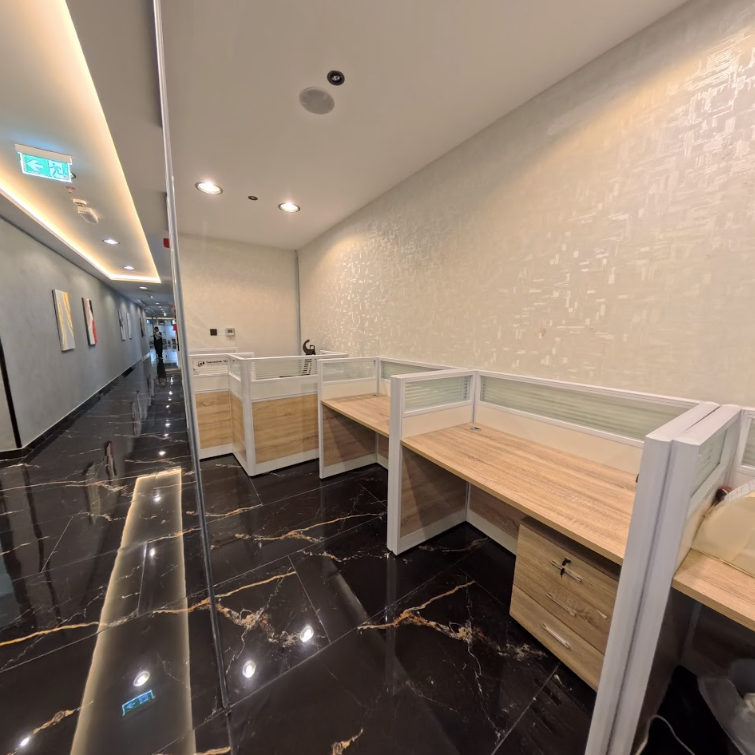
- Flexi desks: Hot desks in a shared professional environment.
- Shared workspaces: A place to work within a managed shared office.
- Furnished private offices: Dedicated, enclosed rooms for businesses that need more privacy.
Meeting rooms, boardrooms and event spaces are also available for business use. These are additional facilities rather than separate flexible desk arrangements.
It is important to check the exact agreement. The term flexible does not automatically mean daily access, no minimum commitment or the ability to leave at any time.
Who Benefits Most From Flexible Office Space?
Flexible workspace can be useful when a business needs a professional working environment but does not require a conventional office arrangement.
1. Freelancers and Independent Consultants
Freelancers often work independently and may not need a permanent office.
A flexi desk can provide a professional place to work outside the home. It may also be useful when meeting clients or maintaining a regular working routine.
This arrangement can suit consultants, designers, independent professionals and remote workers.
However, freelancers who handle confidential client information should consider whether a shared environment offers enough privacy.
2. Startups and Early-Stage Businesses
New businesses may not know how quickly their teams will grow.
A flexible workspace can help founders establish a working base without immediately taking a larger dedicated office. A small team may begin with a shared workspace and review its requirements as operations develop.
It can also provide access to facilities such as reception and meeting rooms, depending on the selected arrangement.
The main advantage is having a professional place to work while the business is still developing its team and operating model.
3. Small Teams and Growing SMEs
A shared workspace can suit a small team that needs a regular working environment but does not require a separate room.
It can provide a middle ground between individual hot desks and a private office.
As the team grows, however, the business should review whether the shared arrangement still works. More employees can mean greater demand for desks, meeting space and privacy.
4. International Businesses Entering Dubai
Companies entering the UAE may need a local working base while they assess their operations.
A flexible workspace can provide a place for initial meetings and day-to-day work. It may also help a small market-entry team operate without immediately managing a larger office.
However, businesses should check their licensing and registration requirements separately. Not every workspace arrangement is automatically suitable for every business activity or authority requirement.
The Main Advantages of Flexible Office Space
Lower Office Management Responsibility
A managed workspace can reduce the administrative work involved in operating an office.
The operator may provide reception, internet, security and shared facilities. This means the business does not have to arrange every service independently.
Always check which facilities are included in your agreement.
A Professional Working Environment
Working from a professional centre can provide a more suitable setting for client discussions and business activity than working from home.
Shared facilities may also make it easier to arrange meetings without maintaining a dedicated meeting room.
Room to Review Your Workspace Needs
A business’s requirements can change as it grows.
Starting with a flexi desk or shared workspace may allow a company to assess its actual needs before choosing a private office.
This can help avoid taking more space than the team currently uses.
Access to Business Facilities
Managed business centres may provide reception, meeting rooms and other shared facilities.
At Sky Signature, listed facilities include high-speed Wi-Fi, front-desk reception, parking, security and meeting spaces. Clients should confirm which facilities apply to their selected workspace arrangement.
Where Flexible Office Space Falls Short
Flexible workspace has clear advantages, but it also involves compromises. Businesses should understand these before making a decision.
1. Limited Privacy
A flexi desk or shared workspace is not the same as having a private office.
Other people may work nearby, and conversations can be overheard. This may be unsuitable for confidential meetings, sensitive documents or frequent private calls.
Businesses handling confidential information should consider a private office or confirm whether suitable private meeting facilities are available.
2. Less Control Over Your Workspace
With a hot desk, you may not have the same workstation every day.
You may also have limited space for personal equipment, documents or items that need to remain at the office.
This can be inconvenient for people who need a consistent desk setup.
Ask about desk allocation, storage and availability before choosing a flexi desk.
3. Shared Facilities Can Be Busy
Meeting rooms, reception areas and shared facilities serve multiple businesses.
Availability may be limited during busy periods. You may need to reserve meeting rooms in advance or work around other users.
If your business holds frequent client meetings, check the booking process and any additional charges.
4. It May Not Suit Larger Teams
A shared workspace can work well for a small team. It may become less practical as employee numbers increase.
Team members may need to sit together, hold regular internal discussions or access confidential information. A private office can provide better control over these requirements.
Review your expected team size before choosing a shared arrangement.
5. The Agreement May Still Include Commitments
Flexible workspace does not always mean a completely short-term arrangement.
Some operators may require a minimum commitment, advance payment or notice period. Other services may involve separate charges.
Read the agreement carefully. Confirm renewal conditions, cancellation terms, deposits and any extra facility charges.
6. Licensing Requirements Need Separate Attention
Businesses sometimes assume that any desk or shared workspace can support their company registration.
This is not always the case. Requirements depend on the relevant authority, licence type and business activity.
Before signing, explain your intended use to the workspace provider and confirm the requirements with the relevant licensing authority.
Flexible Workspace or Private Office: Which Should You Choose?
The right option depends on how your business operates.
| Your requirement | Workspace to consider |
| Occasional desk use | Flexi desk |
| Regular work in a shared environment | Shared workspace |
| A dedicated room for your team | Furnished private office |
| Frequent confidential discussions | Private office and meeting facilities |
| Larger client presentations | Boardroom or meeting room |
A flexi desk offers the most shared working environment among these options. A shared workspace provides a more regular place within a managed office. A furnished private office offers greater privacy and control.
The best choice is not necessarily the one with the most facilities. It is the one that matches your daily work.
Is Flexible Office Space Right for Your Business?
Before choosing, consider these questions:
- How many people will use the workspace?
- How often will you work from the office?
- Do you need a permanently assigned desk?
- Will you hold confidential meetings?
- Do you need storage or dedicated equipment?
- How often will you use meeting rooms?
- What commitment and notice terms apply?
- Does the arrangement meet your business documentation requirements?
If your needs are simple and your team is small, a flexi desk or shared workspace may be enough.
If you need privacy, consistent team space or greater control over your working environment, a private office may be more suitable.
Flexible Workspace Options at Sky Signature
Sky Signature Business Centre offers flexi desks, shared workspaces and furnished private offices. It also provides meeting rooms, boardrooms and event spaces.
The options allow businesses to consider different workspace arrangements according to their needs. A freelancer may prefer a flexi desk, while a small team may need a shared workspace. A company requiring more privacy can consider a furnished private office.
Sky Signature also brings business support services together through one relationship. These include company formation and licensing, immigration and PRO support, banking assistance, tax and compliance, HR and legal services.
Its main centre is in Deira, with services also listed in Business Bay. Businesses should confirm the relevant location, workspace availability and agreement terms before making a decision.
Visit Sky Signature to explore the available workspace options or arrange a private tour.
Frequently Asked Questions
1. What is flexible office space in Dubai?
Flexible office space refers to workspace arrangements that offer alternatives to a conventional dedicated office. These may include hot desks, shared workspaces and serviced private offices.
2. Is a flexi desk suitable for a startup?
It can suit a solo founder or small startup that needs a professional place to work. A growing team may eventually need a shared workspace or private office.
3. Is flexible office space always short-term?
No. Commitment periods and notice requirements depend on the provider and agreement. Always check the terms before signing.
4. What is the difference between a flexi desk and a shared office?
A flexi desk is a hot desk used within a shared environment. A shared office provides a more regular place to work within a managed workspace.
5. Can flexible office space support business licensing in Dubai?
That depends on the workspace arrangement, licence type and relevant authority requirements. Confirm the arrangement’s suitability before relying on it for registration.
6. When should a business move from shared workspace to a private office?
Consider moving when your team needs more privacy, dedicated space, storage or regular internal meetings. The decision should reflect actual working requirements rather than team size alone.
Conclusion
Flexible workspace can be a practical choice for freelancers, startups and small teams. It offers a professional working environment without requiring every business to manage a conventional office. However, shared facilities, privacy, availability and agreement terms can create limitations. Compare these factors with your daily requirements before deciding. The right flexible office space in Dubai should support your business without creating unnecessary restrictions.