Introduction
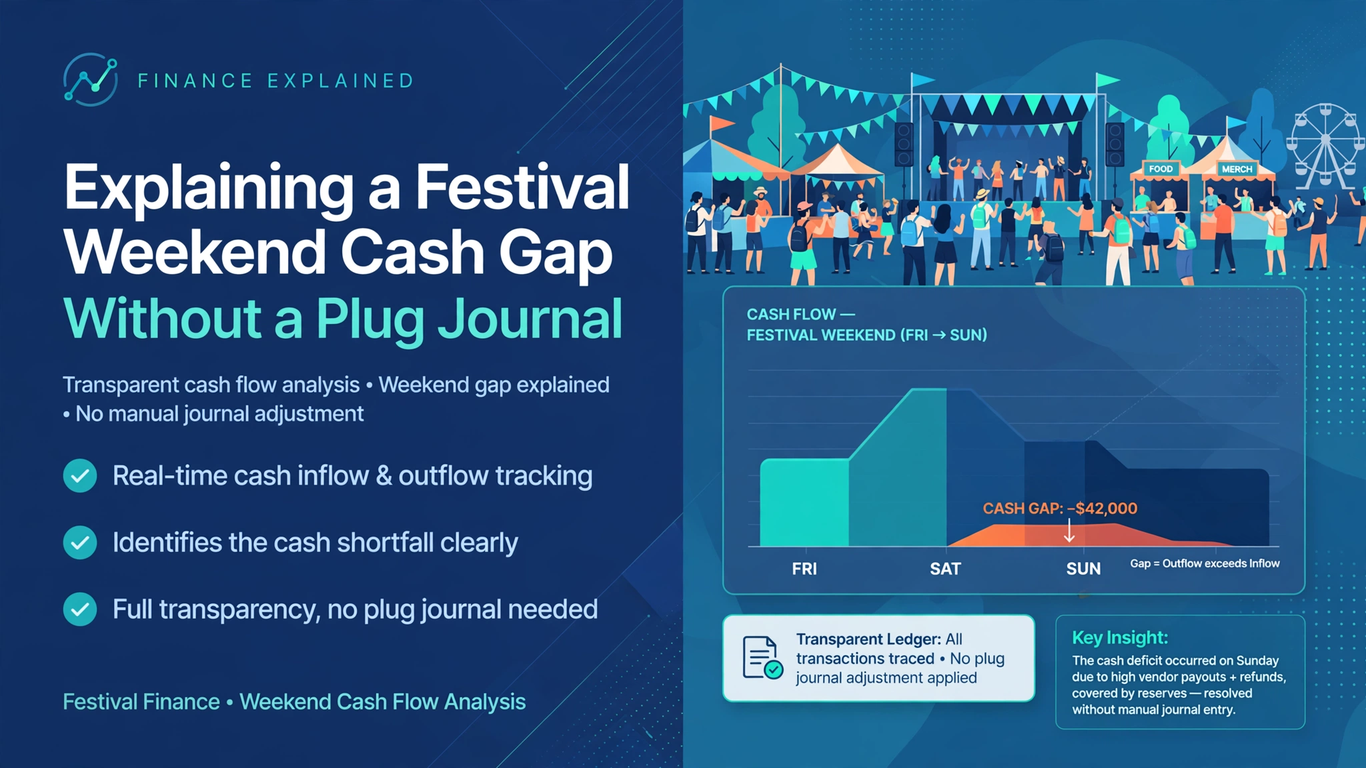
Picture the Monday after a three-day festival, when a ticketing company’s bank balance refuses to match its general ledger cash account. Tech Leads IT often uses this scenario in Oracle Cloud Financials Online Training because it shows why a plug journal explains nothing. Card settlements arrived, refunds kept trickling in, and the bank took service fees quietly.
The treasury analyst must explain the gap to the controller without forcing the two numbers to agree. Her real job is carefully sorting timing items, unmatched activity, and genuine mistakes, a skill worth building step by step through Oracle Cloud Financials Training Online.
Start With Two Balances, Not One Difference
She begins by pinning down scope: one bank account, the ledger cash account tied to it, and the accounting periods covering the festival plus the next business day. She writes down both opening balances and saves the detailed transactions behind each one.
A single net difference doesn’t tell her much. It could be settlements still in transit, statement lines nobody has reconciled yet, bank fees that only the bank knows about, or a journal posted to the wrong account. Worse, two errors pointing in opposite directions can cancel out and make the gap look smaller than the problems underneath it. So she keeps those buckets separate from the start. It also means a colleague can pick up her work next week and get the same answers.
Build the Schedule: What Oracle Cloud Financials Online Training Should Teach About Evidence
Next she builds a festival control schedule, and she builds it from what actually happened at the event, not from what the ledger says. For each processor batch she lists gross ticket sales, refunds, processor charges, expected net cash, the settlement reference, the expected value date, the bank statement reference, and the ledger journal reference.
She doesn’t assume every Saturday sale shows up as Monday cash. The processor contract and the settlement notice tell her what was owed and when. Receivables confirm which receipts were accounted for. The Treasury confirms what landed in the bank. The controller asks hard questions about any manual entry that nobody can explain. Everyone owns a piece of the evidence, and nobody has to guess. That habit of starting with documents and treating reports as a second step is what good Oracle Cloud Financials Online Training ought to build in people who are new to reconciliation.
Read the Report Inside Its Documented Boundary
The Cash to General Ledger Reconciliation Report compares the ledger cash balance with the bank balance across a range of periods. According to Oracle, it lists unreconciled ledger cash journal entries and unreconciled bank statement lines, and it also picks up subledger transactions that were accounted for in the ledger but haven’t been reconciled in Cash Management. Oracle also suggests giving each bank account its own ledger cash account, which makes book-to-bank work far easier.
All of that is helpful for deciding where to look. But the report can’t tell her why a particular festival item is still open, and it certainly can’t approve a correction. That part is her job.
The parameters matter more than people expect. You pick a bank account, a starting period and an ending period, then run it from the Scheduled Processes work area. So she double-checks that she selected the festival collection account and that the period range covers everything. If a fee went to a different cash account, or a statement arrived after the end period, the output will look tidier than reality. She keeps a record of the parameters with the review, because when two people run the report and get different totals, that’s usually where the answer is.
Walk Each Exception Back to Its Origin
Say the first open amount matches a processor’s Sunday net settlement. The Treasury digs out the settlement notice and sees a Tuesday value date. Receivables confirm the batch was accounted for. The Monday statement has no matching credit, which makes sense, since the money isn’t due yet. That’s a timing item with support behind it, and it doesn’t need a Monday journal.
The second amount matches two customer refunds. Both debits appear on the bank statement, but the ledger only shows one refund. Here she goes looking for the missing accounting event. She doesn’t offset it against the settlement to make things look balanced. Every line gets an owner, an expected resolution date, and a pointer to the evidence.
The third difference lines up with the bank’s festival-weekend service fee. Before anything gets booked, she checks whether the debit is sitting as an unreconciled statement line and whether someone has already created, or is about to create, a fee journal. Once she’s sure there isn’t one, an authorized accountant can record the fee through the normal process. The description should name the statement line and the account, and approval follows company policy.
Booking one verified bank charge is a completely different thing from posting the whole unexplained gap. The first fixes a known item. The second buries several open questions under one number and makes the audit trail much harder to follow later.
Try to Disprove Your Own Explanation
Once she has a working story, she tries to break it. She looks for a settlement reference that was used twice. She checks whether a refund batch got counted in both the gross receipts and the net settlement, whether a fee line was matched to ticket revenue by mistake, and whether any journal went to a different cash account.
She also runs the report with a deliberately short period range, just to see what the omission looks like, so the team learns not to trust the output blindly. And she tests a bank line that has the same amount as a settlement but a different reference and value date. Two matching amounts prove nothing by themselves.
Half-finished processing gets the same treatment. If a receipt is accounted for in the ledger but still unreconciled in Cash Management, it stays on the list until someone decides what to do with it. If a bank line has no matching ledger event, she won’t call it timing just because it was a busy weekend. A reversed refund, a rejected processor batch and a duplicate manual journal all call for different responses. The controller asks the same question every time: what evidence would show this explanation is wrong? Nothing gets corrected until that evidence has been looked at.
Roll Forward to Both Control Totals
Finishing the review means building a roll-forward, not taking a screenshot and calling it done. She starts at the ledger cash balance, adds the supported reconciling items, and arrives at the bank balance for the same scope. Then she runs it backwards from the bank to the ledger as a check. Every unreconciled journal entry and statement line from the report gets tied to her schedule one at a time. Resolved lines stay on record with their disposition, matching reference or correcting journal, in line with company policy. The open items must add up to whatever difference remains, and no item can sit in two buckets.
Before sign-off, receivables confirm the festival batches are complete, treasury confirms the statements are complete, and the controller looks at anything that’s aged or manually corrected. A Tuesday settlement can stay open at Monday close if its timing is documented and presented the same way each period. A bank fee with no ledger entry can’t. And if the ledger cash account is shared with unrelated banking activity, she says so in her notes and asks for more detail. What she’s after is a bridge between the two sets of records that she can defend, even if the list isn’t pretty.
Conclusion: What Oracle Cloud Financials Training Online Should Leave You With
The festival gap becomes manageable when the team refuses to lump everything together. Processor settlements, customer refunds, bank fees, unmatched statement lines and unreconciled ledger entries each get their own explanation. The report points attention at the right populations, and the contracts, settlement notices, statements, accounting records and approvals supply the reasons. A plug journal would replace all of that with one number, and it could hide timing differences and real errors alike.
If you’re studying this through Oracle Cloud Financials Training Online, treat the festival as a practice case. By the end you should be asking three simple questions: is the scope consistent, does every exception have evidence behind it, and does the final bridge agree with both control balances?