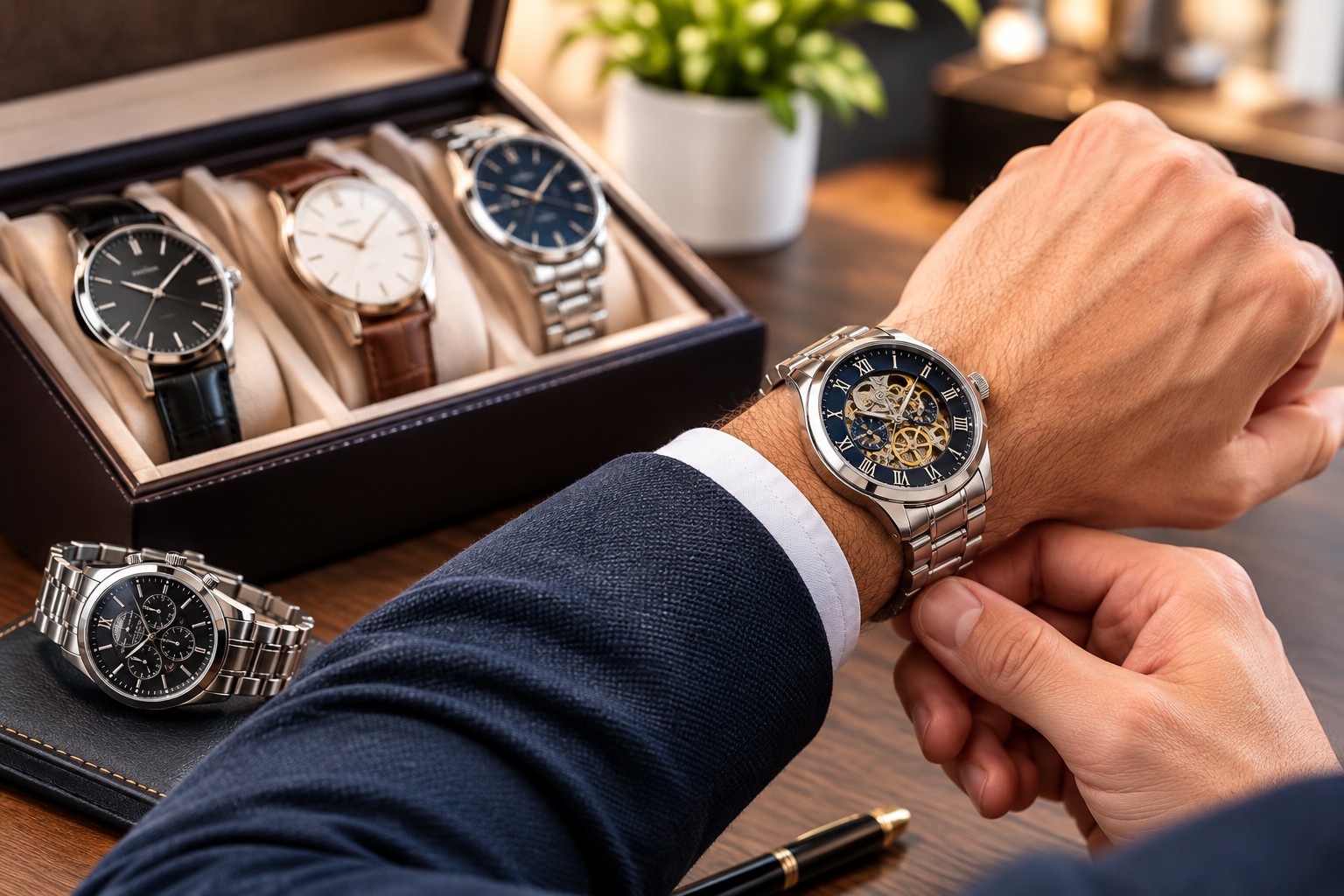
A mechanical watch is more than a simple timekeeping accessory. It represents traditional craftsmanship, precision engineering, and timeless style. Unlike quartz watches that operate using batteries, mechanical timepieces rely on carefully assembled gears, springs, and other moving components to measure time. Their intricate construction makes them special, but it also means they require proper care and regular maintenance to perform reliably.
Whether you have recently purchased your first mechanical timepiece or have been collecting watches for years, understanding basic maintenance practices can help preserve its appearance, accuracy, and functionality. With the right habits, you can keep your watch in excellent condition and enjoy wearing it for many years.
1. Wind Your Mechanical Watch Correctly
Proper winding is one of the most important parts of mechanical watch maintenance. Mechanical watches generally come in two main types: manual-winding and automatic. Manual watches require regular winding through the crown, while automatic watches use the natural movement of your wrist to keep their mainspring powered.
If you own a manual-winding watch, follow the manufacturer’s instructions and wind it gently until you feel resistance. Avoid forcing the crown once the watch is fully wound, as excessive pressure can damage internal components.
Automatic watches typically wind themselves while being worn. However, if they have stopped after being left unused, you may need to give them a few gentle manual turns before wearing them again. Understanding the winding mechanism helps prevent unnecessary strain and keeps the movement operating smoothly.
2. Keep Your Watch Clean and Free From Dust
Regular cleaning helps maintain the appearance of your watch and prevents dirt, sweat, and dust from accumulating around the case, bracelet, and crown. These small particles may seem harmless, but over time they can affect the finish and contribute to wear.
For everyday cleaning, use a soft, lint-free microfiber cloth to gently wipe the watch case and crystal. If the manufacturer confirms that your watch is water-resistant, you can use a slightly damp cloth to clean suitable exterior surfaces. Always dry the watch thoroughly afterward.
Avoid household cleaning chemicals, alcohol-based solutions, and abrasive materials because they may damage protective coatings, seals, or the watch’s finish. Pay particular attention to the bracelet and areas around the lugs, where dirt can collect.
A clean timepiece not only looks better but also helps preserve its overall condition.
3. Protect Your Watch From Water and Moisture
Water resistance is an important feature, but it does not mean every mechanical watch is suitable for swimming, showering, or other water-related activities. Different watches have different resistance ratings, and their capabilities depend on the design and condition of their seals.
Before exposing your watch to water, check its manufacturer’s specifications. Even watches with water-resistance ratings may become vulnerable as gaskets age or components experience wear.
Avoid operating the crown or pressing buttons while the watch is wet unless the manufacturer specifically permits it. Moisture entering the case can cause rust, corrosion, and damage to the movement.
It is also wise to keep your watch away from hot showers, saunas, and sudden temperature changes. Heat can affect protective seals and increase the risk of moisture entering the case.
4. Store Your Watch in a Safe and Suitable Place
Proper storage is essential, especially if you own several timepieces and do not wear the same watch every day. Leaving a mechanical watch exposed on a desk or near a window can increase its exposure to dust, accidental scratches, moisture, and temperature fluctuations.
A dedicated watch box or padded storage case provides a safer environment. Choose a dry location away from direct sunlight, excessive humidity, and extreme temperatures.
For automatic watches, a watch winder may be useful if you regularly rotate between multiple timepieces. However, it is not essential for every automatic watch. Follow the manufacturer’s recommendations and select an appropriate winding setting if you decide to use one.
Keeping your watch properly stored helps protect its exterior and reduces the chances of accidental damage.
5. Avoid Strong Magnetic Fields and Physical Impact
Mechanical watches contain delicate metal components that can be affected by strong magnetic fields. Everyday electronics and household devices may expose watches to magnetic sources, including speakers, magnetic phone accessories, and certain electronic equipment.
Magnetization can interfere with the balance spring and cause the watch to run unusually fast or behave inconsistently. If you notice a sudden change in timekeeping accuracy, magnetization could be one possible cause. A qualified watchmaker can test and demagnetize the movement when necessary.
Physical impact is another potential risk. Although some watches are designed to handle everyday activity, strong shocks can affect internal components, loosen parts, or damage the crystal.
Remove your watch before activities involving heavy machinery, intense sports, or repeated impacts. A little extra caution can prevent expensive repairs.
6. Schedule Professional Servicing and Regular Inspections
Even when a mechanical watch appears to work perfectly, its internal components require attention over time. The movement contains numerous moving parts that depend on appropriate lubrication to reduce friction and wear.
As lubricants age, they can lose their effectiveness. Professional servicing allows a qualified watchmaker to inspect the movement, clean necessary components, replace worn parts when required, and apply suitable lubrication.
The recommended service interval depends on the watch brand, movement, age, and usage. Rather than following one universal schedule, consult the manufacturer’s guidance and have your watch inspected if you notice unusual sounds, reduced accuracy, or winding problems.
Regular professional maintenance is particularly valuable for collectors who appreciate mechanical watches for watch enthusiasts, as it helps preserve both the craftsmanship and long-term functionality of their timepieces.
Enjoy Your Mechanical Watch for Years to Come
Caring for a mechanical watch does not require complicated routines. Gentle winding, regular cleaning, proper storage, protection from moisture and magnetic fields, and timely professional servicing can make a significant difference.
When choosing quality mechanical watches, it is worth considering not only their design but also the care required to maintain them. A well-maintained timepiece can remain a reliable and stylish part of your collection for many years.
If you appreciate traditional watchmaking and timeless designs, take the time to discover elegant mechanical watches that complement your personal style. With thoughtful maintenance and responsible everyday use, your mechanical watch can continue to deliver lasting enjoyment, precision, and sophistication.