Ageing is a natural process that gradually changes the appearance and condition of the skin. Fine lines, wrinkles, uneven skin tone, reduced elasticity, and loss of facial volume are common concerns that many individuals experience over time. Although these changes are completely normal, some people prefer to explore aesthetic treatments that help maintain healthier-looking skin and address visible signs of ageing. With advancements in cosmetic technology, several treatment options are now available to support skin rejuvenation without necessarily requiring invasive procedures.
For individuals researching modern aesthetic solutions in Oman, Enfield Royal Clinics Oman may be a useful starting point when exploring available beauty and skin treatments. Anti-ageing procedures are designed to address different concerns, from fine lines and skin texture to reduced firmness and uneven pigmentation. However, choosing an appropriate treatment requires an understanding of individual skin needs, realistic expectations, professional expertise, and safety considerations. This article explores popular anti-ageing approaches and explains what individuals should consider before selecting an aesthetic treatment.
1. Understanding the Common Signs of Skin Ageing
Skin ageing is influenced by several factors, including genetics, environmental exposure, lifestyle habits, and natural biological changes. As the skin matures, its ability to produce collagen and elastin gradually decreases. These proteins help maintain skin firmness, flexibility, and structure.
Over time, their reduction can contribute to several visible changes.
Fine Lines and Wrinkles
Fine lines often appear around the eyes, forehead, and mouth. Initially, they may become noticeable during facial expressions. With time, some lines can remain visible even when the face is relaxed.
Loss of Skin Elasticity
Collagen and elastin play important roles in maintaining skin structure. Reduced production can make the skin appear less firm and contribute to mild sagging.
Uneven Skin Tone
Sun exposure, hormonal changes, and natural ageing can contribute to pigmentation irregularities, dark spots, and uneven complexion.
Dryness and Dullness
Mature skin may become drier as its natural moisture-retention ability changes. This can make the complexion appear less smooth and radiant.
Loss of Facial Volume
Changes in underlying fat distribution and structural support can affect facial contours. Some individuals notice reduced fullness around the cheeks, temples, or other facial areas.
Understanding these changes helps individuals identify their main concerns and explore treatments that address them appropriately.
2. Popular Anti-Aging Treatments for Healthier-Looking Skin
Modern aesthetic treatments offer several approaches to managing visible signs of ageing. The most appropriate option depends on the individual’s skin condition, treatment goals, medical background, and tolerance for recovery time.
Some commonly used anti-ageing treatment categories include:
Laser Skin Rejuvenation
Laser-based procedures use controlled light energy to address selected skin concerns. Depending on the technology, they may help improve pigmentation, uneven texture, fine lines, and other visible signs of sun damage.
Some laser procedures also stimulate collagen remodelling, which can gradually improve skin appearance. The number of sessions and recovery requirements depend on the device and treatment intensity.
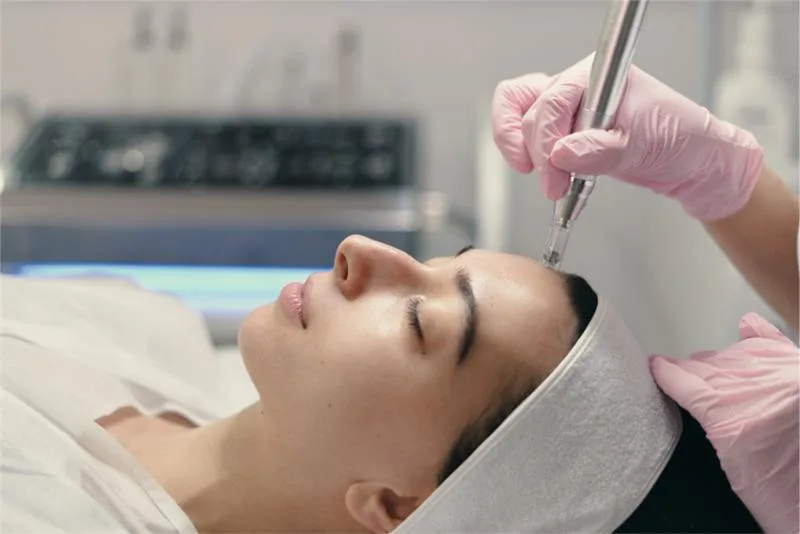
Microneedling
Microneedling involves creating controlled microscopic channels in the skin using specialized equipment. This process stimulates the body’s natural healing response and may support collagen production.
It is commonly considered for concerns such as fine lines, uneven texture, and certain acne scars. Temporary redness and sensitivity can occur after treatment.
Chemical Peels
Chemical peels use selected exfoliating solutions to remove damaged outer skin cells. Depending on their strength and formulation, they may help improve dullness, uneven pigmentation, mild wrinkles, and surface texture.
Different peel strengths involve different recovery requirements, making professional assessment essential.
Injectable Anti-Aging Treatments
Certain injectable procedures are designed to soften dynamic wrinkles or restore volume in selected facial areas.
Some products temporarily reduce the activity of muscles responsible for expression lines, while others provide volume through injectable fillers. These procedures require appropriate medical expertise because incorrect placement can lead to complications.
Non-Surgical Skin Tightening
Energy-based technologies, including selected radiofrequency and ultrasound treatments, may help improve the appearance of mild skin laxity.
They work through controlled energy delivery that can stimulate collagen-related changes in the skin. Results usually develop gradually and vary between individuals.
The availability of these procedures should be confirmed directly with the relevant provider before booking an appointment.
3. How Anti-Aging Treatments Help Improve Skin Appearance
Anti-ageing treatments work through different mechanisms, depending on the concern being addressed. Some focus on removing damaged surface cells, while others stimulate collagen production or temporarily reduce the appearance of wrinkles.
Understanding how these procedures work can help individuals develop realistic expectations.
Supporting Collagen Production
Collagen provides structural support to the skin. Certain treatments, including microneedling and selected energy-based procedures, stimulate the skin’s natural repair response and may encourage collagen remodelling.
The resulting improvements generally develop gradually rather than appearing immediately.
Improving Skin Texture
Exfoliating procedures and selected resurfacing treatments can help remove damaged outer skin cells. This may make the skin appear smoother and improve the appearance of certain surface irregularities.
Reducing the Appearance of Wrinkles
Some injectable treatments target the muscle activity responsible for expression lines. Other procedures aim to improve skin quality and firmness, helping soften the appearance of selected wrinkles.
Addressing Pigmentation
Certain laser procedures and chemical peels may help improve selected types of pigmentation and sun-related spots. However, the treatment must be carefully selected according to skin type because unsuitable procedures can sometimes worsen discoloration.
Restoring Facial Volume
Age-related changes in facial structure can create a hollow or tired appearance. Selected injectable treatments may restore volume in appropriate areas, although they require careful assessment and should not be used simply to follow cosmetic trends.
The effectiveness of any anti-ageing procedure depends on the individual’s condition, treatment method, professional technique, and aftercare.
4. Benefits and Limitations of Modern Anti-Aging Procedures
Anti-ageing treatments can provide meaningful improvements for individuals who want to address specific skin concerns. However, understanding both their advantages and limitations is important before making a decision.
Potential Benefits
- Improved skin texture: Certain procedures may help create a smoother-looking complexion.
- Reduced appearance of wrinkles: Selected treatments can soften fine lines and expression-related wrinkles.
- Better skin firmness: Collagen-stimulating procedures may improve the appearance of mild skin laxity.
- More even complexion: Some treatments can help address selected pigmentation concerns.
- Personalized treatment options: Different procedures can target different signs of ageing.
- Non-surgical alternatives: Many aesthetic approaches do not require traditional surgical intervention.
Possible Limitations
- Results differ from person to person.
- Some procedures require several sessions.
- Certain improvements are temporary.
- Maintenance treatments may be necessary.
- Recovery time varies according to treatment intensity.
- Side effects such as redness, swelling, bruising, irritation, and pigmentation changes may occur.
- More advanced procedures can involve uncommon but serious complications.
It is also important to understand that aesthetic treatments cannot stop the natural ageing process. They may improve selected visible concerns, but they cannot permanently prevent wrinkles, changes in skin elasticity, or other age-related developments.
A responsible treatment plan should focus on achievable improvements rather than promising a completely youthful appearance.
5. Essential Factors to Consider Before Choosing an Anti-Aging Treatment
Selecting an anti-ageing procedure should involve more than choosing a treatment based on popularity or online photographs. Each individual’s skin has different characteristics, and a procedure that works well for one person may not be suitable for another.
Several factors deserve attention before booking an appointment.
Skin Type and Condition
Skin type influences how the skin responds to different treatments. Individuals with sensitive skin, darker skin tones, pigmentation concerns, or existing skin conditions may require specialized treatment considerations.
Medical History
Medical conditions, allergies, medications, previous cosmetic procedures, and pregnancy status can influence treatment suitability. Patients should share accurate information during consultations.
Professional Qualifications
The person performing a medical aesthetic procedure should have the appropriate qualifications, training, and authorization. Advanced procedures should never be performed by individuals without the necessary professional expertise.
Treatment Risks
Patients should understand potential side effects and complications before proceeding. They should also ask how unexpected reactions are managed and what follow-up support is available.
Recovery and Aftercare
Some procedures require only limited recovery, while others may involve several days of redness, peeling, swelling, or sensitivity. Proper aftercare is essential for healing and maintaining results.
Realistic Expectations
Anti-ageing procedures generally produce improvements rather than complete transformations. Patients should understand the expected level of change and the possibility that multiple treatments may be necessary.
A thorough consultation helps establish whether a proposed treatment is appropriate and whether its potential benefits outweigh its risks.
6. Maintaining Anti-Aging Results Through Healthy Skincare Habits
Professional aesthetic procedures are only one part of maintaining healthy-looking skin. Everyday skincare habits also play an important role in protecting the skin and supporting long-term results.
Individuals can adopt several practical habits to complement appropriate aesthetic treatments.
Use Daily Sun Protection
Sun exposure is a major contributor to premature skin ageing. Regular use of broad-spectrum sunscreen with SPF 30 or higher can help protect against ultraviolet damage. Reapplication and additional sun-protection measures are particularly important during prolonged outdoor activities.
Maintain Proper Hydration
Adequate hydration supports general health, while suitable moisturizers help maintain the skin’s protective barrier and reduce dryness.
Follow a Consistent Skincare Routine
A gentle cleanser, appropriate moisturizer, and daily sunscreen form a practical skincare foundation. Depending on individual needs, products containing ingredients such as retinoids, niacinamide, or vitamin C may also be considered with suitable professional guidance.
Maintain a Balanced Diet
A varied diet containing vegetables, fruits, healthy fats, and protein provides nutrients that support normal skin function and overall health.
Prioritize Quality Sleep
Adequate sleep supports general recovery and wellbeing. Poor sleep habits may contribute to a tired appearance and affect overall health.
Avoid Smoking
Smoking can accelerate visible skin ageing by contributing to oxidative stress and affecting normal skin structure.
Follow Professional Aftercare
After an aesthetic procedure, patients should follow the recommended instructions carefully. This may include avoiding excessive sun exposure, temporarily stopping certain skincare products, and attending follow-up appointments.
Combining sensible daily habits with appropriate professional care can support healthier-looking skin over time.
Frequently Asked Questions (FAQs)
1. What are the most common anti-ageing treatments?
Common anti-ageing treatment categories include laser skin rejuvenation, microneedling, chemical peels, injectable procedures, and non-surgical skin tightening. Each option addresses different concerns, so professional assessment is important before choosing a procedure.
2. At what age should someone consider anti-ageing treatments?
There is no universal age at which someone should begin aesthetic treatments. The decision depends on individual skin concerns, health, preferences, and treatment suitability. Sun protection and a consistent skincare routine can be beneficial at any age.
3. Are non-surgical anti-ageing treatments effective?
Yes, certain non-surgical procedures can improve the appearance of fine lines, uneven skin tone, mild skin laxity, and texture concerns. However, effectiveness varies according to the treatment, individual skin characteristics, and professional technique.
4. How long do anti-ageing treatment results last?
Results depend on the procedure. Some treatments offer temporary improvements, while collagen-stimulating procedures may provide longer-lasting changes. Injectable treatments may require periodic maintenance, and individual outcomes can vary.
5. Are anti-ageing treatments safe for all skin types?
No. Some procedures require adjustments according to skin tone, sensitivity, and medical history. Certain laser treatments, for example, may carry a higher risk of pigmentation changes in unsuitable candidates. A qualified professional should assess the skin before recommending treatment.
6. Can skincare products replace professional anti-ageing treatments?
Skincare products can help protect the skin, maintain hydration, and improve certain signs of ageing. Ingredients such as sunscreen, retinoids, and antioxidants may support skin health. However, they may not produce the same results as professional procedures for concerns such as deeper wrinkles or significant volume loss.
Read More About Enfield Royal Clinics Oman: https://cityofarticle.in.net/article/are-cosmetic-treatments-right-for-you-enfield-royal-clinics-oman