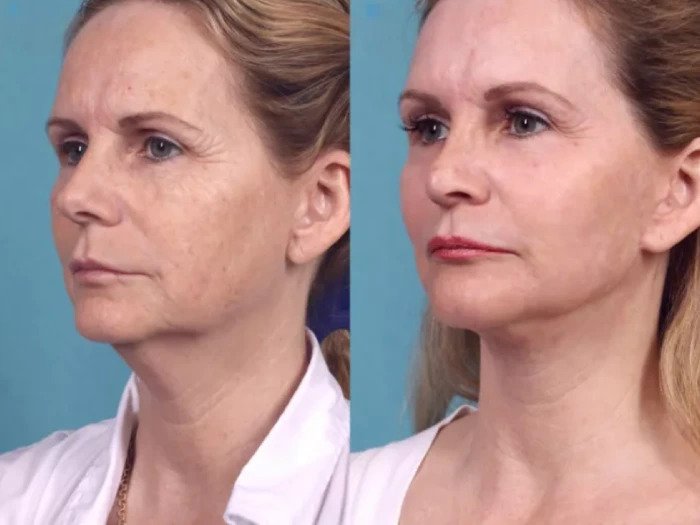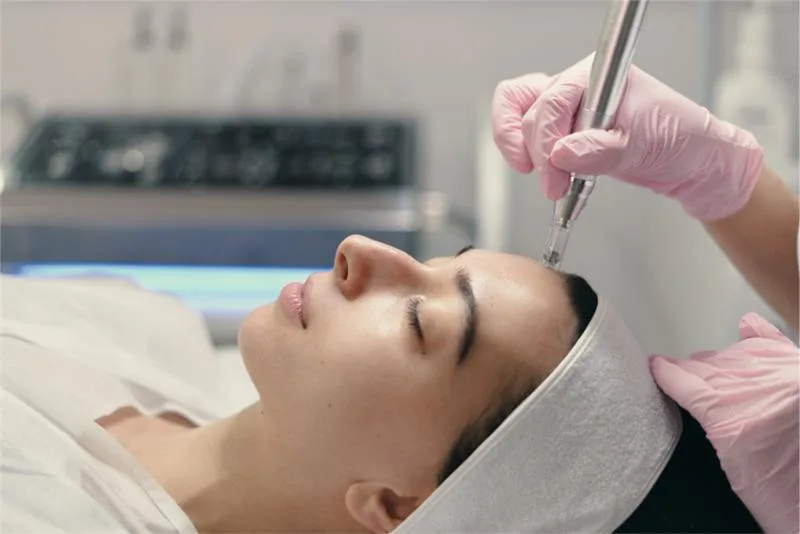
Achieving and maintaining a clear, blemish-free complexion is a journey that requires patience, consistency, and a well-structured schedule. Many individuals struggling with persistent breakouts often wonder about the ideal timeline for skincare interventions, especially when exploring targeted options like Acne Treatment in Abu Dhabi to restore skin balance. Determining the exact frequency of your sessions depends heavily on your unique skin biology, the severity of your congestion, and how your epidermis responds to active therapies over time.
- Key Takeaways on Treatment Timing:
- Skin renewal cycles naturally span roughly 28 days, which serves as the foundational baseline for scheduling professional care.
- Active breakouts generally require closer intervals during the initial clearing phase before transitioning into a spaced-out maintenance routine.
- Balancing professional sessions with a disciplined daily home regimen ensures long-term clarity without overwhelming the skin barrier.
Understanding the Biology of Skin Renewal and Treatment Timing
To appreciate why specific intervals work best for clearing blemishes, it helps to look at how the skin naturally regenerates. The outermost layer of your skin, the epidermis, undergoes a continuous process of cellular turnover. New skin cells are generated in the deeper layers and gradually migrate to the surface, shedding old, dead cells along the way. In healthy, young adult skin, this complete renewal cycle takes approximately 28 to 40 days. When excess sebum, dead skin cells, and surface debris become trapped inside hair follicles, comedones and inflammatory lesions begin to form beneath the surface weeks before they actually become visible.
Because congestion develops deep within the pores over several weeks, a single isolated session is rarely enough to permanently resolve chronic breakouts. Effective blemish management works by interrupting this buildup cycle at regular intervals. When treatments are spaced strategically, each session builds upon the progress of the previous one, steadily clearing existing blockages while preventing new microcomedones from maturing into visible blemishes.
- Core Biological Factors:
- Cellular turnover takes roughly four weeks, meaning treatments need time to bring deep congestion to the surface and allow fresh skin to emerge.
- Spacing appointments properly prevents over-exfoliation and allows the protective lipid barrier to recover between procedures.
- Consistent scheduling targets multiple stages of the acne lifecycle simultaneously, yielding cumulative improvements in texture and tone.
The Role of the Skin Barrier in Scheduling
While it can be tempting to seek intensive treatments every few days when facing a sudden flare-up, the skin requires adequate recovery windows to rebuild its natural defenses. Every exfoliating, extracting, or resurfacing step temporarily alters the stratum corneum. Giving your skin sufficient rest between sessions ensures that hydration levels remain stable and cellular repair mechanisms function optimally.
- Barrier Protection Essentials:
- Adequate recovery windows allow natural ceramides and lipids to replenish after deep pore cleansing.
- Respecting healing timelines keeps the complexion calm, resilient, and receptive to subsequent sessions.
- Over-scheduling aggressive procedures can disrupt moisture balance and trigger reactive oil production.
Recommended Frequency Based on Acne Severity
Not all breakouts behave the same way, which means a one-size-fits-all calendar does not exist in modern skincare. The ideal schedule is tailored to the specific grade of congestion you are experiencing, shifting from an active clearing phase to a long-term preservation phase as your complexion stabilizes.
- Severity-Based Overview:
- Mild, occasional congestion responds well to monthly sessions aligned with the natural skin cycle.
- Moderate, persistent breakouts benefit from bi-weekly or tri-weekly visits until active inflammation subsides.
- Deep, widespread congestion often requires a structured multi-week reset plan before tapering down.
Mild Acne and Occasional Breakouts
For individuals dealing with scattered blackheads, whiteheads, or occasional hormonal blemishes around the jawline and T-zone, scheduling a session once every 4 to 6 weeks is typically ideal. This monthly cadence aligns seamlessly with the natural 28-day cellular turnover process. It provides regular deep pore purification to clear away accumulated sebum and environmental pollutants before they can harden into stubborn blockages, keeping the complexion smooth and luminous year-round.
- Mild Congestion Strategy:
- Monthly appointments align directly with natural epidermal regeneration.
- Focuses on gentle exfoliation, pore decongesting, and hydration balance.
- Prevents minor blackheads from progressing into inflamed papules.
Moderate to Persistent Inflammatory Acne
When breakouts involve frequent papules, pustules, and widespread surface congestion that does not respond to basic over-the-counter cleansers, a more concentrated initial schedule is usually recommended. During the first two to three months—often referred to as the active clearing or reset phase—sessions are commonly spaced every 2 to 3 weeks. This closer interval helps rapidly reduce bacterial buildup, calm visible redness, and clear clogged follicles before new lesions can take hold. Once the skin shows steady improvement and fewer new blemishes appear, the schedule gradually transitions to every 4 weeks.
- Moderate Congestion Strategy:
- Bi-weekly to tri-weekly visits during the initial 8 to 12 weeks accelerate pore clearing.
- Frequent monitoring allows timely adjustments as inflammation subsides.
- Transitions smoothly into a monthly schedule once active flare-ups are under control.
Severe or Deep-Seated Congestion
Deep, stubborn nodules and widespread cystic congestion require a highly methodical, phased approach. Rather than relying on a single intensive session, plans for severe breakouts typically involve structured intervals every 2 weeks during the initial stabilization period, paired with targeted daily topical care. Because deep inflammation takes longer to resolve and heal, consistency across several months is essential to gradually calm the underlying sebaceous activity and support smooth tissue recovery.
- Severe Congestion Strategy:
- Structured bi-weekly intervals help manage persistent oil overproduction and deep blockages.
- Emphasizes gentle, non-irritating modalities that soothe inflammation without aggravating sensitive tissue.
- Requires patience over a 3-to-6-month horizon to achieve lasting clarity and minimize post-blemish marks.
Treatment Modalities and Their Specific Timelines
Different professional skincare procedures interact with the skin at varying depths. Consequently, the specific modality chosen for your complexion plays a major role in determining how many days or weeks should pass between appointments.
- Modality Timeline Summary:
- Deep-cleansing facials and gentle extractions can be performed every 2 to 4 weeks.
- Superficial chemical peels generally require 2 to 4 weeks of recovery between applications.
- Light-based and energy-based therapies often follow a weekly or bi-weekly series protocol.
Deep Cleansing Facials and Extractions
Clarifying facials that utilize steam, enzymatic exfoliation, gentle ultrasonic scrubbing, and manual extractions work primarily on the upper layers of the epidermis and within the pore lining. Because they are non-invasive and focus on physical decongesting and hydration, they can safely be performed every 2 to 4 weeks during an active breakout phase, and every 4 to 6 weeks for routine maintenance.
- Clarifying Facial Cadence:
- Ideal for removing surface dead cells and emptying congested pores safely.
- Short recovery window makes bi-weekly sessions practical for oily, congestion-prone skin.
- Supports better absorption of daily serums and moisturizers used at home.
Chemical Peels for Acne Management
Chemical peels use controlled concentrations of alpha-hydroxy acids (AHAs) like glycolic or mandelic acid, or beta-hydroxy acids (BHAs) like salicylic acid, to dissolve intercellular glue and penetrate oil-filled pores. Because chemical exfoliation stimulates accelerated cell shedding, the skin needs time to complete its renewal process. Superficial acne peels are typically spaced every 2 to 4 weeks in a series of four to six treatments, allowing the fresh skin underneath to strengthen fully before the next application.
- Chemical Peel Cadence:
- Salicylic acid peels target oil-soluble debris deep inside follicles.
- A 2-to-4-week gap ensures complete shedding and barrier stabilization between sessions.
- Cumulative series help refine pore appearance and fade lingering post-acne discoloration.
Light and Laser-Based Acne Therapies
Blue light therapy, red light therapy, and targeted vascular or sebaceous laser treatments work by reducing acne-causing bacteria, calming inflammation, and regulating oil gland activity without physically abrading the skin surface. Because these modalities are gentle on the outer barrier, they are frequently scheduled once or twice a week for an initial series of four to eight weeks, followed by monthly or seasonal touch-ups to preserve results.
- Light and Laser Cadence:
- Weekly or twice-weekly sessions build cumulative antibacterial and anti-inflammatory benefits.
- Minimal surface downtime allows closer spacing compared to deep exfoliating peels.
- Maintenance sessions every 4 to 8 weeks help keep sebaceous glands balanced long-term.
Key Factors That Influence Your Ideal Schedule
Even when two people share a similar breakout pattern, their optimal treatment calendars may look quite different. Several personal and environmental variables dictate whether your skin thrives on shorter or longer intervals.
- Personal Variables:
- Natural sebum production rates and skin sensitivity levels determine tolerance.
- Daily home skincare habits directly extend or shorten the time needed between visits.
- Climate, humidity, and lifestyle stressors influence how quickly pores become congested.
Skin Type and Sensitivity Levels
Oily and combination skin types produce higher volumes of sebum, meaning pores can refill and become congested more quickly. These skin types often benefit from slightly more frequent clarifiers—such as every 3 to 4 weeks. Conversely, dry, dehydrated, or highly reactive skin requires extra time between sessions to maintain lipid balance, making a 4-to-6-week interval much more comfortable and effective.
- Skin Type Adjustments:
- Oily skin tolerates more frequent pore-clearing and oil-balancing sessions.
- Sensitive or dry complexions require gentler pacing to avoid tightness or flaking.
- Tailoring the interval prevents reactive inflammation and supports steady progress.
Climate, Humidity, and Environmental Exposure
Living in warm, humid, or dusty environments significantly impacts how fast pores accumulate debris. Heat stimulates sebaceous glands to produce more oil, while high humidity mixes sweat with surface lipids and airborne particles, increasing the likelihood of clogged follicles. Moving frequently between intense outdoor heat and dry air-conditioned interiors can also dehydrate the skin surface, prompting compensatory oil production. Under these environmental conditions, regular monthly maintenance helps counteract daily environmental stress.
- Environmental Considerations:
- Heat and humidity accelerate sebum and sweat accumulation inside pores.
- Indoor air conditioning can deplete surface moisture, requiring balanced hydration care.
- Consistent monthly cleansing routines prevent environmental buildup from turning into breakouts.
Consistency of Your At-Home Skincare Routine
Professional sessions act as powerful accelerators, but what you do every morning and evening accounts for the majority of your skin’s daily environment. A disciplined home regimen—featuring a gentle non-comedogenic cleanser, targeted active ingredients like salicylic acid or retinoids, a barrier-supporting moisturizer, and daily broad-spectrum sunscreen—keeps pores clear between visits and allows you to space professional appointments further apart.
- Home Routine Synergy:
- Daily cleansing and non-comedogenic hydration preserve the results of each session.
- Consistent use of targeted actives prevents microcomedones from reforming rapidly.
- Strong home care allows maintenance appointments to stretch comfortably to every 6 to 8 weeks.
Transitioning from Active Clearing to Maintenance Mode
One of the most rewarding milestones in any skincare journey is graduating from frequent corrective sessions to a relaxed maintenance schedule. Knowing when and how to make this shift helps protect your long-term results without over-treating your skin.
- Maintenance Transition Signs:
- Active inflamed blemishes have subsided, and new breakouts are rare and mild.
- Skin texture feels smooth, balanced, and free of widespread under-the-surface congestion.
- Maintenance sessions shift focus toward hydration, barrier resilience, and post-blemish brightening.
Signs Your Skin Is Ready to Space Out Sessions
You will typically know your skin is ready for maintenance mode after completing an initial 8-to-12-week clearing phase. Key indicators include a noticeable reduction in daily oiliness, smaller-looking pores, faster healing of occasional minor spots, and an absence of deep, painful bumps. At this stage, reducing appointments from every 2 to 3 weeks to once every 4 to 8 weeks keeps the complexion clear while giving the skin maximum autonomy.
- Readiness Indicators:
- Fewer clogged pores and blackheads reappearing between scheduled visits.
- Consistent calm tone without persistent redness or reactivity.
- Ability to maintain clarity primarily through your daily morning and evening skincare steps.
Seasonal Tune-Ups for Lasting Clarity
Even after achieving clear skin, hormonal fluctuations, travel, dietary changes, or seasonal shifts can occasionally trigger minor congestion. Scheduling a seasonal refresh every 6 to 8 weeks acts as a proactive safeguard. These maintenance sessions gently resurface dull dead cells, replenish deep hydration, and clear minor buildup before a full-scale breakout can develop.
- Proactive Maintenance Benefits:
- Catches subtle pore congestion early before inflammation occurs.
- Adapts active ingredients to match changing weather and skin hydration needs.
- Keeps skin texture refined, luminous, and resilient throughout the year.
Frequently Asked Questions (FAQs)
1. How many sessions does it usually take before seeing noticeable improvements in acne?
Most people begin to observe calmer redness, smoother skin texture, and fewer active breakouts after 3 to 4 consistent sessions, typically spanning 6 to 12 weeks. Because skin cells take roughly a month to renew and deep congestion must gradually surface and clear, steady progress builds cumulatively over several cycles rather than overnight.
2. Can getting acne treatments too frequently make breakouts worse?
Yes, scheduling intensive exfoliating or extracting procedures too close together can compromise the skin’s protective lipid barrier. When the skin barrier becomes stripped or dehydrated, it often responds with increased sensitivity, redness, and compensatory oil production, which can trigger fresh congestion rather than resolving existing blemishes.
3. Should I continue my daily acne skincare products between professional sessions?
Maintaining a gentle, consistent daily routine between sessions is essential for sustaining your results. Using a mild cleanser, oil-free moisturizer, and daily sunscreen keeps pores clean, while carefully timed active ingredients help prevent new blockages—though it is usually best to pause strong exfoliants or retinoids a few days before and after an in-person session.
4. What happens if I stop getting treatments once my skin completely clears up?
Once active breakouts are resolved, stopping professional sessions entirely will not automatically cause severe acne to return overnight, provided you maintain a solid daily home skincare routine. However, because oil glands remain active and dead skin cells continue to shed naturally, periodic maintenance sessions every 6 to 8 weeks help prevent gradual pore buildup and keep your complexion consistently clear.