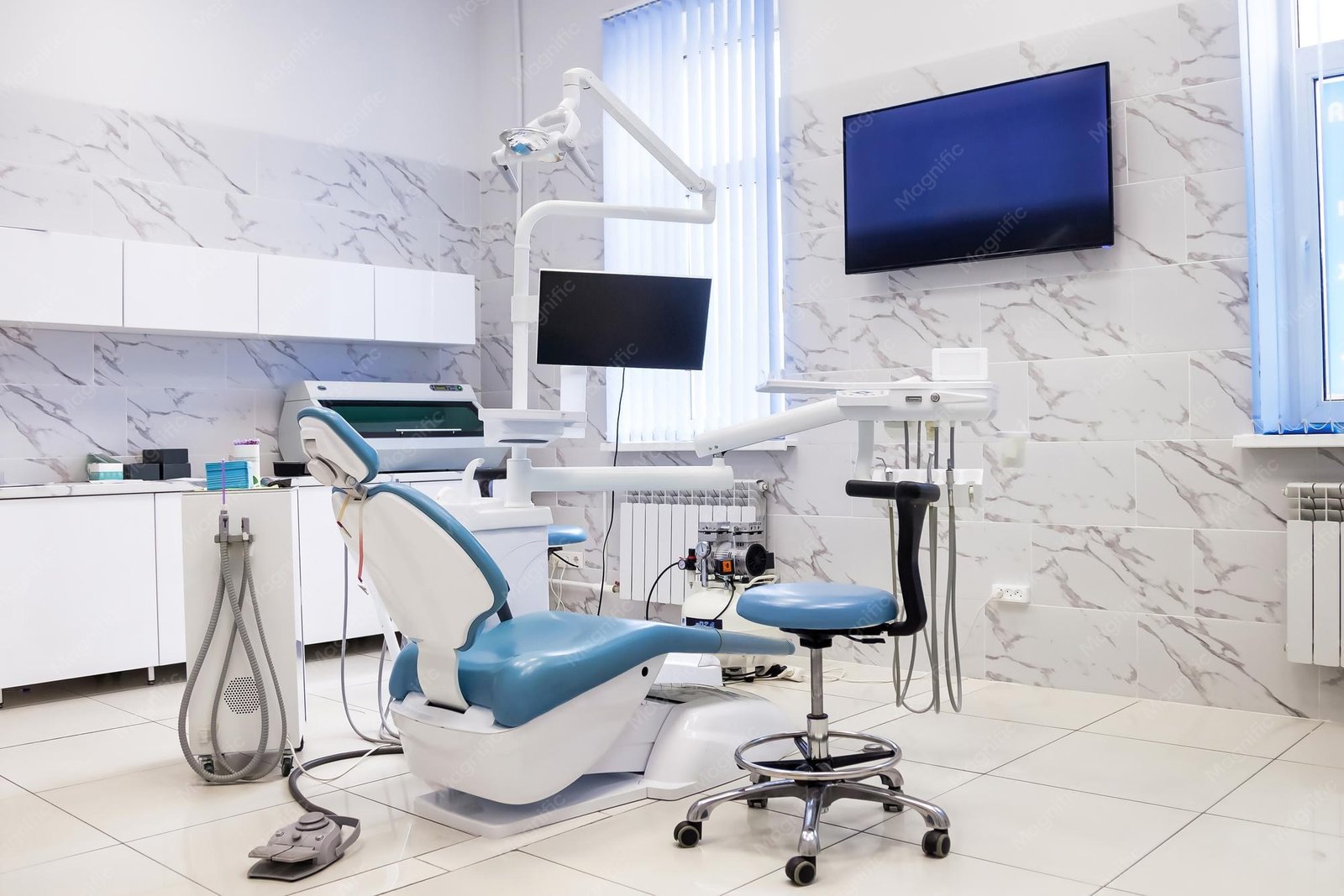
A child’s dental health plays an important role in their overall development, confidence, and well-being. Establishing healthy oral hygiene habits early can help prevent cavities, support proper tooth development, and encourage a positive attitude toward dental visits. Children’s Dentistry in Chestermere focuses on caring for young smiles through preventive examinations, education, and age-appropriate dental treatments. With consistent care and support from parents and dental professionals, children can develop habits that benefit their oral health for years to come.
Why Is Children’s Dental Care Important?
Baby teeth may eventually fall out, but they serve several important purposes during childhood. They help children chew food, develop clear speech, and maintain space for permanent teeth.
When baby teeth develop cavities or become damaged, children may experience discomfort that affects eating, sleeping, and daily activities. Untreated dental problems can also influence the development of permanent teeth and surrounding structures.
Regular dental care helps identify concerns early and allows parents to receive guidance on maintaining their child’s oral health.
When Should Children First Visit a Dentist?
Children should generally have their first dental visit by their first birthday or within six months after their first tooth appears.
Early appointments help familiarize children with the dental environment while allowing the dentist to monitor the development of their teeth and gums.
These visits also give parents an opportunity to discuss important topics such as:
- Teething and early tooth development.
- Proper brushing techniques for young children.
- Fluoride use and cavity prevention.
- Healthy eating habits.
- Thumb sucking and pacifier use.
- Preventing early childhood tooth decay.
Starting dental visits early can make routine appointments feel more familiar as children grow.
Common Dental Problems in Children
Children’s teeth can be affected by several oral health conditions. Understanding common concerns can help parents recognize when professional attention may be necessary.
1. Tooth Decay
Cavities are among the most common dental problems in childhood. Frequent sugary snacks, sweetened drinks, and inadequate brushing can increase the risk of tooth decay.
2. Gum Inflammation
Plaque buildup around the gumline can cause redness, swelling, or bleeding. Proper brushing and professional dental care help maintain healthy gums.
3. Tooth Sensitivity
Children may experience discomfort when eating or drinking something hot, cold, or sweet. Sensitivity can have different causes and should be evaluated if it persists.
4. Dental Injuries
Falls, sports activities, and accidents can result in chipped, cracked, or displaced teeth. Prompt dental assessment is important after an injury.
5. Early Tooth Loss
Losing a baby tooth too early because of decay or injury may affect the spacing available for permanent teeth. A dentist can determine whether additional care is needed.
Preventive Dental Treatments for Children
Preventive dentistry helps reduce the likelihood of dental problems before they develop or become more serious. The appropriate treatments depend on the child’s age, oral health, and individual risk factors.
Common preventive approaches include:
- Routine dental examinations: Allow the dentist to monitor tooth development and identify early signs of dental problems.
- Professional dental cleanings: Help remove plaque and buildup that regular brushing may miss.
- Fluoride treatments: Fluoride can strengthen tooth enamel and help protect against cavities when used appropriately.
- Dental sealants: Protective coatings may be applied to the chewing surfaces of back teeth to help prevent decay.
- Oral hygiene education: Children and parents receive guidance on effective brushing and flossing habits.
Preventive appointments also help children become comfortable with dental care and understand why maintaining healthy teeth matters.
How to Make Dental Visits Comfortable for Children
Some children feel nervous about visiting a dentist, especially if it is their first appointment. Parents can help create a positive experience by preparing them in a calm and reassuring way.
Consider these simple suggestions:
- Use positive language: Explain that the dentist helps keep their teeth healthy.
- Avoid frightening descriptions: Do not use words that may create unnecessary anxiety.
- Read children’s dental books: Stories about dental visits can make the experience feel familiar.
- Choose a suitable appointment time: Schedule visits when your child is generally rested and comfortable.
- Encourage questions: Allow children to express their concerns and ask the dental team about the process.
- Praise their cooperation: Positive encouragement can help build confidence for future appointments.
A patient and supportive approach can help children develop a more comfortable relationship with dental care.
Teaching Children Good Oral Hygiene Habits
Healthy routines at home are essential for protecting children’s teeth between dental visits.
Parents should supervise brushing until children have the coordination to clean their teeth effectively on their own, often around seven or eight years of age.
Helpful habits include:
- Brush twice daily with fluoride toothpaste appropriate for the child’s age.
- Use a small, soft-bristled toothbrush.
- Encourage flossing once neighbouring teeth begin touching.
- Limit frequent sugary snacks and drinks.
- Offer water regularly, especially between meals.
- Avoid putting babies to bed with bottles containing milk, formula, or juice.
- Replace toothbrushes when bristles become worn.
Making brushing part of a consistent morning and bedtime routine helps children understand that oral care is a normal part of everyday life.
Supporting Healthy Dental Development as Children Grow
Children’s mouths change significantly as baby teeth are replaced by permanent teeth. Regular examinations allow dental professionals to observe these changes and identify potential concerns involving spacing, bite development, or tooth alignment.
Some children may benefit from an orthodontic assessment as they grow. Early evaluation does not necessarily mean treatment is required immediately, but it can help determine whether monitoring or future intervention may be beneficial.
Parents should also encourage children to wear suitable mouthguards when participating in sports with a risk of dental injuries.
Children’s Dental Care at Dawson Landing Dental
Finding a dental practice that understands the needs of young patients can help families establish consistent oral health routines. Parents researching Children’s Dentistry in Chestermere can contact Dawson Landing Dental to discuss their child’s dental needs and learn about available care options.
A dental appointment provides an opportunity to review tooth development, discuss preventive care, and ask questions about brushing, nutrition, and cavity prevention. Families can also learn how regular examinations may support their children’s oral health as they grow.
Creating a positive dental experience early can encourage children to take greater responsibility for their smiles over time.
Conclusion
Children’s dental care is an important part of healthy development. Regular examinations, preventive treatments, proper brushing, and healthy eating habits can help protect baby teeth and support the arrival of permanent teeth. By making oral hygiene a consistent part of daily life, parents can help children build a strong foundation for lifelong dental health. If you are exploring Children’s Dentistry in Chestermere, consider contacting Dawson Landing Dental to discuss appropriate dental care for your child.