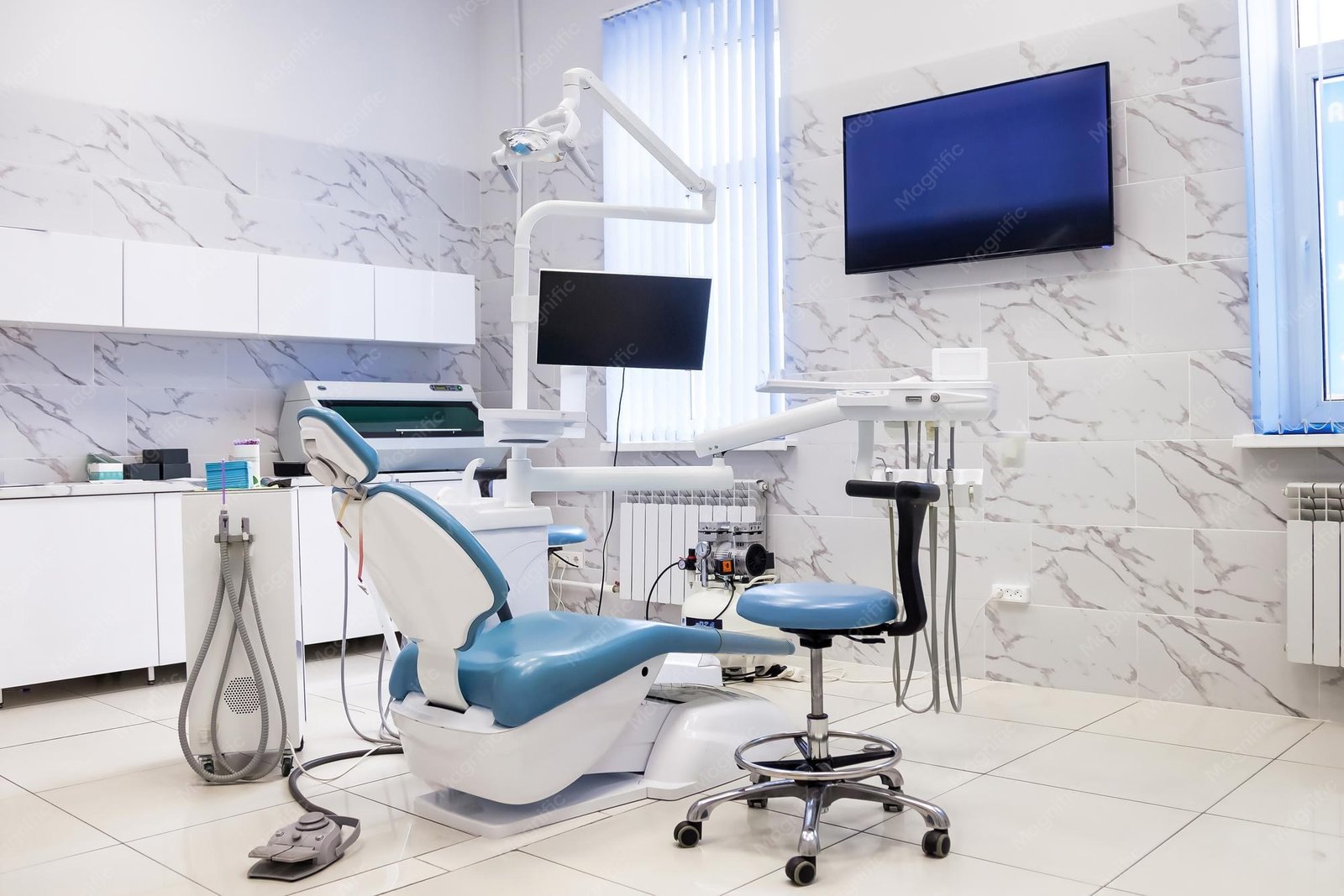
Oral health involves more than keeping teeth clean and gums healthy. Regular examinations can also help identify unusual changes in the mouth that may require further investigation. Best Oral Cancer Screening in Leduc is an important consideration for individuals who want to stay informed about their oral health and recognize potential warning signs early. Oral cancer screening helps dental professionals look for abnormal tissue changes and identify areas that may need additional assessment.
Understanding what happens during screening, which symptoms to watch for, and why routine dental visits matter can help patients take a proactive approach to their health.
What Is Oral Cancer Screening?
Oral cancer screening is a visual and physical examination of the mouth and surrounding areas to look for signs that could indicate oral cancer or precancerous changes.
During an examination, a dental professional may check the lips, tongue, cheeks, gums, roof and floor of the mouth, and other accessible areas. The dentist may also examine the neck and jaw area for unusual lumps or swelling.
Screening does not confirm whether a person has cancer. If an abnormal area is discovered, further investigation, such as a specialist assessment or biopsy, may be recommended to establish a diagnosis.
Why Is Oral Cancer Screening Important?
Oral cancer can affect different parts of the mouth and oropharyngeal region. Some changes may initially be painless or difficult to notice without a professional examination.
Screening can help identify suspicious changes that might otherwise go unnoticed. Early evaluation is important because detecting oral cancer at an earlier stage may provide more treatment options and improve the chances of successful treatment.
Regular dental visits also give patients an opportunity to discuss concerns such as persistent mouth sores, unusual patches, or unexplained discomfort.
Common Warning Signs of Oral Cancer
Not every unusual change in the mouth indicates cancer. However, certain symptoms should be evaluated by a dental or medical professional, particularly when they persist or worsen.
Some warning signs include:
- Persistent mouth sores: A sore or ulcer that does not heal within approximately two weeks deserves professional attention.
- Red or white patches: Unusual patches on the tongue, gums, or inner cheeks may require examination.
- Unexplained lumps: A lump or thickened area inside the mouth or neck should be assessed.
- Difficulty swallowing: Persistent discomfort or difficulty swallowing may indicate an underlying problem.
- Changes in speech: Ongoing changes in voice or speech should not be ignored.
- Unexplained bleeding: Bleeding in the mouth without an obvious cause requires evaluation.
- Persistent numbness: Unusual numbness affecting the tongue, lips, or other oral areas should be investigated.
- Jaw or tongue movement problems: Difficulty moving the tongue or jaw may be associated with an underlying condition.
These symptoms can have several possible causes. A professional examination is the best way to determine whether further testing is needed.
What Increases the Risk of Oral Cancer?
Several factors are associated with a higher risk of developing oral cancer. Understanding them can help individuals make informed decisions about prevention and routine health assessments.
Important risk factors include:
- Tobacco use: Smoking and using smokeless tobacco products significantly increase oral cancer risk.
- Alcohol consumption: Heavy alcohol use is associated with an increased risk, particularly when combined with tobacco.
- HPV infection: Certain types of human papillomavirus are associated with cancers affecting parts of the oropharynx.
- Age: The risk of many oral cancers increases with age, although younger individuals can also be affected.
- Previous oral cancer: Individuals with a history of oral cancer may require ongoing professional monitoring.
- Sun exposure: Excessive ultraviolet exposure can increase the risk of cancer affecting the lips.
Having one or more risk factors does not mean someone will develop cancer. Similarly, oral cancer can occur in people without recognized risk factors.
What Happens During an Oral Cancer Screening?
An oral cancer screening is generally straightforward and can often be completed during a routine dental examination.
1. Reviewing Medical and Lifestyle History
The dental professional may ask about medical history, tobacco use, alcohol consumption, previous oral health concerns, and any symptoms the patient has noticed.
2. Examining the Mouth
The dentist visually examines the lips, gums, tongue, cheeks, and other areas inside the mouth for unusual patches, sores, swelling, or tissue changes.
3. Checking the Neck and Jaw
The dentist may gently feel the neck and jaw area to identify unusual lumps or enlarged lymph nodes.
4. Discussing Any Unusual Findings
If an area appears suspicious, the dentist explains the findings and discusses whether monitoring, additional testing, or referral to a specialist is appropriate.
A biopsy is required to confirm whether a suspicious tissue change is cancerous.
How Can You Support Better Oral Health?
Although not all oral cancers can be prevented, certain lifestyle choices may help reduce risk and support overall oral health.
Consider the following habits:
- Avoid smoking and all forms of tobacco.
- Limit or avoid alcohol consumption.
- Maintain a balanced diet with plenty of fruits and vegetables.
- Protect your lips from excessive sun exposure.
- Follow consistent brushing and flossing routines.
- Attend regular dental examinations.
- Seek professional advice about persistent sores, patches, or unusual changes.
Being aware of changes in your mouth and seeking timely assessment can make an important difference.
Choosing Oral Cancer Screening at Woodbend Dental
Regular dental visits provide an opportunity to discuss concerns beyond cavities and gum disease. Patients researching the Best Oral Cancer Screening in Leduc can contact Woodbend Dental to learn about oral examinations and discuss whether an oral cancer screening is appropriate for their needs.
A dental appointment allows patients to share any unusual symptoms, ask questions about changes in their oral tissues, and receive professional guidance about further assessment when necessary. Patients should remember that screening is not a substitute for diagnostic testing when suspicious findings are present.
Taking time to discuss oral health concerns with a dental professional can help patients make informed decisions about their care.
Conclusion
Oral cancer screening is a valuable part of maintaining awareness of oral health. Recognizing warning signs, understanding risk factors, and attending regular dental examinations can help identify unusual changes that may require further investigation. If you are considering the Best Oral Cancer Screening in Leduc, contact Woodbend Dental to discuss your concerns and learn about appropriate examination options. Early professional assessment is important whenever persistent or unexplained changes appear in the mouth.