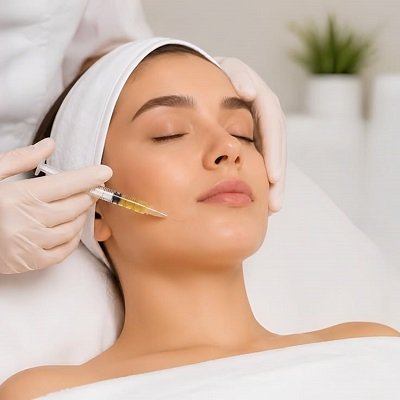
Botox injections are a popular cosmetic treatment for people who want to soften the appearance of fine lines and wrinkles without undergoing surgery. The procedure is generally quick, with little to no downtime, which makes it convenient for people with busy lifestyles. However, one common question after treatment is whether it is safe to return to exercise immediately.
For people considering Botox Injections in Muscat, understanding post-treatment care can help support a smooth recovery and satisfactory results. Exercise is an important part of many people’s routines, but strenuous physical activity immediately after Botox may not be the best choice.
Botulinum toxin works by temporarily reducing the activity of specific muscles. After the injections, the treated area needs some time to settle. Although most people can return to their normal daily activities relatively quickly, certain precautions may be recommended during the first several hours after treatment.
Why Should Exercise Be Avoided Immediately After Botox?
Exercise increases heart rate, blood circulation, body temperature, and physical movement. These changes are normally beneficial for overall health, but immediately after Botox injections, they may potentially contribute to unwanted effects.
Strenuous exercise can increase blood flow throughout the body. While there is no universal rule that exercise will ruin Botox results, avoiding intense physical activity shortly after treatment is often recommended as a precaution. Increased circulation may potentially make temporary redness, swelling, or bruising around the injection sites more noticeable.
Exercise can also involve frequent facial movements, sweating, touching the face, or placing pressure on areas that have recently been treated. Depending on the type of workout, these factors may make the treated area more uncomfortable.
For this reason, people receiving Botox are commonly advised to take it easy immediately following the procedure. The exact restrictions can vary depending on the treatment area, the amount of product used, individual factors, and the healthcare professional’s recommendations.
How Long Should Someone Wait Before Exercising?
A commonly recommended approach is to avoid strenuous exercise for at least several hours after Botox. Some healthcare professionals may recommend waiting until the following day before returning to vigorous workouts, particularly when the treatment involves multiple areas.
The safest approach is to follow the specific aftercare instructions provided by the qualified medical professional who performed the treatment.
Light everyday activities are generally different from intense exercise. Walking around the home, carrying out routine tasks, and normal gentle movement may not create the same level of increased heart rate and sweating as running, weightlifting, high-intensity interval training, or vigorous fitness classes.
People who exercise regularly may therefore benefit from scheduling Botox appointments around their workout routine. For example, an appointment may be more convenient on a rest day or at a time when strenuous exercise can comfortably be postponed.
What Types of Exercise Should Be Avoided After Botox?
Not every physical activity places the same demands on the body. After Botox, the main concern is usually strenuous activity that significantly increases heart rate, sweating, body temperature, or physical pressure on the treated area.
High-intensity cardiovascular workouts are generally better postponed immediately after treatment. These can include running, cycling at high intensity, aerobic classes, circuit training, and other activities that cause substantial sweating.
Heavy strength training may also be postponed. Weightlifting can involve considerable physical effort and temporarily increase blood pressure and circulation. It may be sensible to wait before returning to demanding lifting sessions.
Activities that require the head to remain in a particular position may also warrant caution. Certain yoga positions, inversions, or exercises involving prolonged pressure against the face may not be ideal immediately after injections.
Swimming may also be worth postponing for a short period. Apart from physical exertion, swimming often involves exposure to heat, chemicals, or environments where the treated skin may be touched or rubbed.
Gentle walking, on the other hand, may be more appropriate once the person feels comfortable, provided the treating professional has not advised otherwise.
What Happens If Someone Exercises Too Soon?
Exercising shortly after Botox does not necessarily mean that the treatment will fail or that complications will occur. Many people may exercise without experiencing a significant problem. However, avoiding unnecessary risks during the early post-treatment period can be a sensible approach.
One possible issue is increased redness or swelling. Because exercise raises circulation and body temperature, the injection areas may temporarily appear more flushed or irritated.
Sweating may also make the skin feel uncomfortable. If a person wipes their face repeatedly or touches the injection sites during a workout, unnecessary pressure or friction can occur.
Another consideration is facial movement. Certain workouts can involve repeated facial expressions, tension, or physical strain. While normal facial movement is not expected to automatically interfere with Botox, limiting unnecessary manipulation of the treated areas immediately afterward can be a practical precaution.
It is also important to remember that Botox results do not appear instantly. The treated muscles gradually respond over the following days, and the final effect may take longer to become fully noticeable. Following recommended aftercare during this period can help patients feel more confident about the treatment process.
Tips for Exercising After Botox Injections in Muscat
People searching for Botox Injections in Muscat may have different lifestyles and fitness routines. Some may exercise casually, while others may participate in demanding sports or structured training programs.
Planning ahead can make post-treatment recovery easier.
First, it can be helpful to schedule the appointment at a time when strenuous exercise can be avoided afterward. A rest day may be particularly convenient for people who follow a regular fitness schedule.
Second, individuals should avoid excessive heat immediately after treatment if their healthcare professional recommends doing so. Hot environments can increase sweating and body temperature. Depending on individual circumstances, temporarily avoiding activities such as very hot workouts or sauna sessions may be advisable.
Third, people should avoid rubbing, pressing, or massaging the treated areas unless specifically instructed by their healthcare professional. The face should generally be handled gently following injections.
Hydration is also important for general wellbeing, particularly in warm climates. However, drinking water does not replace appropriate post-treatment care.
People should also pay attention to how their skin feels. Mild tenderness, redness, or small areas of swelling can occur after injections. If exercise appears to make discomfort worse, stopping the activity and allowing the body to rest is sensible.
Most importantly, individualized medical advice should take priority over general online recommendations. A qualified healthcare professional can explain when exercise can safely resume based on the treatment performed and the person’s circumstances.
When Can Someone Return to a Normal Workout Routine?
The timing for returning to a normal exercise routine varies from person to person. Someone receiving a small cosmetic treatment may receive different advice from someone undergoing treatment across several facial areas.
For many people, strenuous exercise can be resumed after the initial post-treatment period, often by the following day. However, the treating professional may recommend a longer period of caution depending on the procedure and individual factors.
When returning to exercise, starting gradually can be a practical strategy. Instead of immediately completing the most demanding workout of the week, a person may begin with moderate activity and see how the body responds.
People who experience unusual or persistent symptoms should contact their healthcare provider rather than attempting to exercise through the discomfort.
Symptoms that may require prompt medical attention can include significant swelling, severe pain, pronounced weakness, difficulty breathing, difficulty swallowing, vision changes, or other unexpected symptoms. Such reactions are uncommon, but they should not be ignored.
For anyone considering Botox, discussing exercise habits during the consultation can also be useful. A healthcare professional can provide specific instructions based on the injection sites, treatment goals, and overall health.
Final Thoughts on Exercise After Botox
Botox is a minimally invasive cosmetic procedure, but appropriate aftercare remains an important part of the treatment experience. Although normal daily activities can often continue, strenuous exercise is generally better postponed immediately after injections.
Avoiding intense workouts for the recommended period can reduce the likelihood of increased redness, swelling, sweating, or irritation around recently treated areas. It can also give patients peace of mind while the treatment begins to take effect.
For individuals considering Botox Injections in Muscat, the best approach is to discuss exercise plans with a qualified healthcare professional before and after treatment. Personalized instructions are more reliable than a one-size-fits-all rule because recovery recommendations can differ depending on the treatment and individual circumstances.
With sensible planning, most active individuals can return to their usual fitness routines without significant disruption.
FAQs About Exercising After Botox
1. Can someone exercise on the same day as Botox injections?
It is generally advisable to postpone strenuous exercise immediately after Botox. Light normal activity may be acceptable for many people, but the treating healthcare professional’s specific instructions should always take priority.
2. How long should someone wait before going to the gym after Botox?
Many people are advised to avoid vigorous workouts for several hours and, in some cases, until the following day. The appropriate timeframe depends on the treatment and individual circumstances.
3. Can walking be done after Botox?
Gentle walking is generally less demanding than intense exercise and may be acceptable for many people. However, excessive heat, sweating, or prolonged outdoor activity may be worth avoiding immediately after treatment, particularly in hot weather.
4. Can weightlifting affect Botox results?
Heavy weightlifting immediately after Botox may increase circulation, body temperature, and physical strain. For this reason, it is generally sensible to postpone demanding strength workouts until the recommended post-treatment period has passed.
5. Can someone swim after Botox injections?
Swimming may be better postponed immediately following Botox, particularly if the activity involves strenuous exercise, significant sweating, or frequent touching of the treated facial areas. A healthcare professional can provide specific guidance about when swimming can safely resume.
6. What should someone do if unusual symptoms occur after Botox?
Mild redness, tenderness, or localized swelling can occur after injections. However, severe pain, significant swelling, breathing or swallowing difficulties, vision changes, or other serious symptoms should receive prompt medical attention.
Read More About Botox Injections: https://autopedia.co.uk/events/oman/muscat/muscat-1/botox-injections-for-neck-lines-are-they-effective/