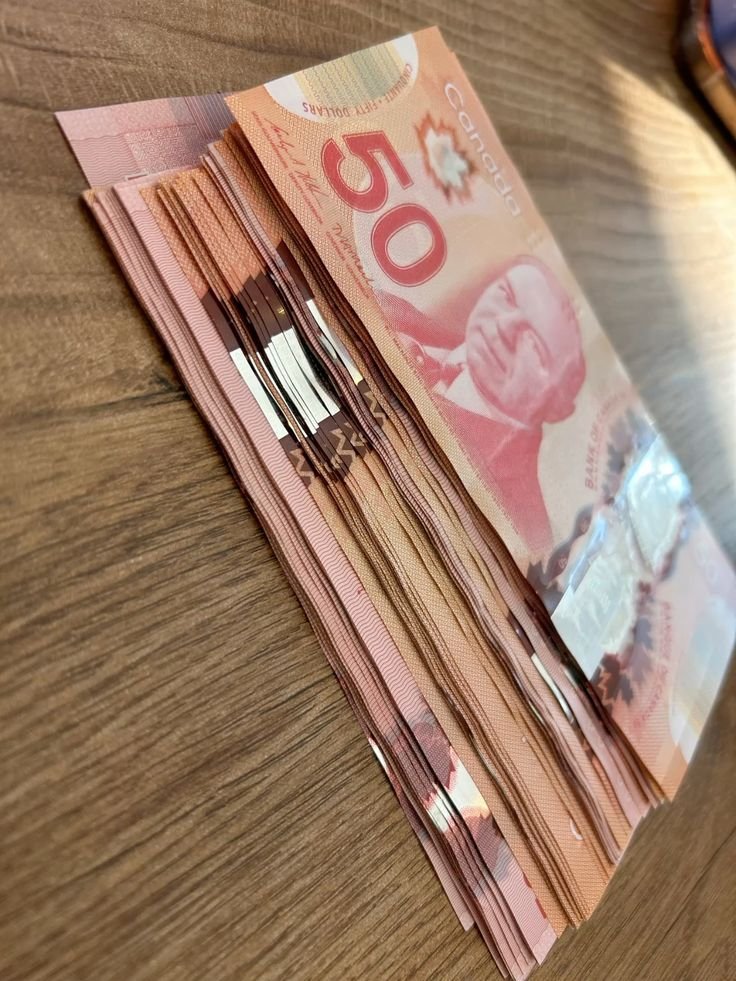
Every single banknote you hand to a bank teller goes through a rigorous verification process that makes passing a fake bill nearly impossible. If you attempt to deposit fraudulent currency, the bank is legally required to confiscate the notes immediately. You do not get a credit for the value of the bills and you will not get the physical paper back – this situation often leads to a stressful investigation by federal authorities to determine if you are a victim or a criminal.
Banks are the front line of currency security – Tellers receive specific training to identify discrepancies in paper texture, ink quality and security features. While you might think a high quality copy can slip through, most bank branches use high speed counting machines equipped with ultraviolet and magnetic sensors – these machines detect inconsistencies that the human eye might miss in a fraction of a second.
What Happens When You Give a Bank Fake Cash?
The moment a teller identifies a suspicious bill, they must follow a strict protocol. They are not allowed to return the money to you because doing so would put the counterfeit back into circulation. They will fill out a Report of Counterfeit Currency and contact the Secret Service. You are now part of an official government inquiry.
Your bank account balance will reflect only the genuine currency from your deposit. If you deposited five twenty dollar bills and one is fake, your account only grows by eighty dollars. The bank takes the loss out of your pocket, not theirs – this is why it is vital to understand how to tell if a 100 bill is fake before you ever reach the teller window.
How Modern Banks Spot Counterfeit Currency
Security technology is incredibly advanced in the modern financial sector. Banks rely on a combination of tactile feel and digital scanning to verify every deposit. If you look at high end undetectable counterfeit banknotes, you might see how difficult it is to mimic the raised printing and color shifting ink found on real US Treasury products.
Common detection methods include
- Ultraviolet Scanning Real bills have security threads that glow specific colors under UV light.
- Magnetic Ink Testing Genuine currency uses ink with magnetic properties that machines can read.
- Microprinting Tiny text that appears as a solid line to low quality printers.
- Watermarks Portraits visible only when held up to a light source.
Protecting Yourself from Accidental Fraud
You can protect your finances – inspecting money during any private transaction. If you sell an item on a digital marketplace for cash, take a moment to look at the bills. If the paper feels like standard office paper or lacks the crisp texture of cotton linen blends, refuse the payment. Criminals often target individuals because they know regular people are less likely to check for security features than a bank is.
If you suspect you have a fake bill, do not try to spend it. Passing counterfeit money is a felony, even if you didn’t print it yourself. The best path is to visit the counterfeits money section of various security blogs to learn about current scams. Knowledge is your best defense against losing your hard earned savings to a fraudster.
Legal Alternatives for Education or Media
Sometimes you might need fake money for a movie project, a theatrical play or a classroom lesson. In these cases, you must use items that follow strict legal guidelines to avoid confusion with real currency. Federal law requires prop money to be significantly larger or smaller than real bills or printed on only one side.
You should only buy the most realistic prop money that is actually legal to ensure you do not break the law – these items usually have “For Motion Picture Use Only” printed clearly on them. Using these legal substitutes prevents any accidental attempts to deposit them at a financial institution, which keeps you out of legal trouble.
FAQ
Will the police arrest me if I unknowingly deposit a fake bill?
In most cases, if you are honest and cooperate with the investigation, you will not face immediate arrest. The authorities focus on finding the source of the counterfeit. You will still lose the money associated with that bill.
Can a bank ATM detect counterfeit money?
Yes, modern ATMs are extremely sophisticated – They use sensors to scan for magnetic signatures and physical dimensions. If the machine detects a fake, it will typically flag the transaction and retain the bill for evidence.
Does a counterfeit detector pen always work?
Not always – These pens react to the starch in wood based paper. If a criminal uses “washed” bills (printing a higher denomination on lower value real paper), the pen will fail to detect the fraud because the paper is genuine cotton.