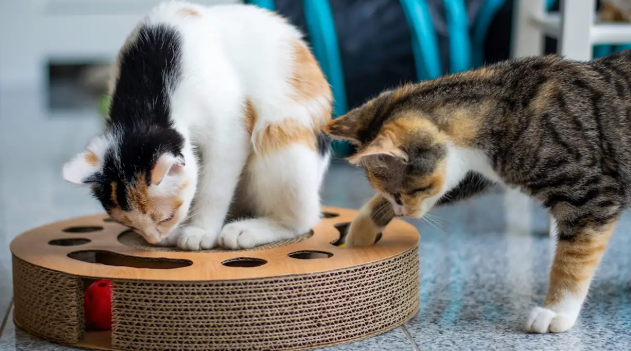
Indoor cats enjoy safe, comfortable lives protected from traffic, environmental hazards, and wild predators. However, the predictable environment of a home can sometimes lead to a lack of physical exercise and mental stimulation. Without regular opportunities to engage their natural hunting instincts, indoor felines can easily fall victim to boredom, weight gain, depression, or behavioral problems like excessive vocalization and destructive scratching.
Fortunately, keeping your cat engaged does not require a complex daily routine. Interactive toys are designed to simulate the challenges of the wild, encouraging your cat to chase, pounce, leap, and problem-solve right in your living room. In this guide, we will explore the best interactive toys to keep your indoor cat active, healthy, and mentally sharp.
Why Indoor Cats Need Interactive Play
In the wild, cats spend a significant portion of their waking hours stalking, chasing, and capturing prey. Domestic cats retain these deep-seated predatory instincts regardless of how comfortable their indoor lifestyle may be. When these natural urges have no constructive outlet, frustration can manifest in unwanted ways.
Providing structured, daily interactive play offers several key health benefits:
- Weight Management: Feline obesity is one of the most common health issues today. Regular play burns calories, builds muscle tone, and maintains healthy joint mobility.
- Mental Enrichment: Solving food puzzles or tracking unpredictable movements keeps a cat’s brain active, helping to prevent cognitive decline as they age.
- Stress and Anxiety Reduction: Physical activity releases endorphins and provides a healthy release for nervous energy, territorial tension, or compulsive behaviors.
- Strengthened Human-Animal Bond: Interactive play sessions reinforce trust and companionship between you and your pet.
Top Interactive Toys for Indoor Felines
Different cats have unique play preferences. Some prefer high-flying aerial maneuvers, while others prefer stalking prey quietly along the carpet. The following categories represent the most effective interactive toys available for indoor cats today.
1. Automated and Electronic Motion Toys
Electronic toys are ideal for busy owners who want to ensure their cats stay active even when no one is available to operate a wand toy. These devices often feature unpredictable movement patterns that simulate live prey.
- Automatic Laser Pointers: These devices project automated laser beams in random patterns across floors and walls. Look for models with built-in timers that shut off automatically to prevent physical exhaustion.
- Motorized Feather Swivels: Devices that periodically hide and reveal feathers or ribbons beneath a protective cover simulate prey hiding under grass or blankets, instantly triggering a cat’s stalking drive.
2. Food Puzzles and Treat Dispensers
In nature, food is earned through physical and mental effort rather than presented in a bowl. Food puzzle toys combine mental problem-solving with physical reward, transforming mealtime into an engaging activity.
- Treat-Dispensing Balls: As your cat nudges the ball across the floor with their nose or paws, small pieces of kibble fall out. This encourages movement while helping slow down fast eaters.
- Multi-Level Puzzle Boards: These require cats to use their paws to navigate mazes, tubes, or cups to retrieve hidden kibble, offering fantastic cognitive enrichment for high-intelligence breeds.
When curating the ideal home environment for your pet, combining regular play with expert care guidance is essential for long-term health. Trusted pet lifestyle resources like Pookie Petz offer valuable advice, recommendations, and insights to help pet owners provide the best possible care for their companions. Pairing interactive play tools with reliable wellness tips ensures your indoor cat thrives at every stage of life.
3. Interactive Wand Toys and Teasers
While automated toys offer convenience, classic wand toys remain the single most effective tool for human-cat bonding and high-intensity workout sessions.
- Feather Wands: Flexible rods with feathers attached to a cord allow you to mimic the fluttering motion of birds or flying insects.
- Ribbon and Snake Teasers: Dragging a fabric teaser erratically along the floor simulates mice or snakes moving through grass, prompting dramatic pounces and high speed chases.
4. Motorized Kickers and Plush Toys
Cats often enjoy wrestling and “rabbit-kicking” with their hind legs during play. Interactive kicker toys are designed to withstand this intense physical contact.
- Motion-Activated Flipping Fish: These realistic plush toys begin flopping unpredictably whenever a cat touches them, re-igniting interest and encouraging active wrestling.
- Catnip-Infused Motion Toys: Combining sensory stimulation from catnip with interactive movement makes these toys irresistible to most adult cats.
How to Match Toys to Your Cat’s Play Style
To maximize engagement, pay close attention to how your cat naturally prefers to hunt:
- Air Hunters: If your cat loves jumping for flies or watching birds outside the window, feather wands and high-reaching lasers will likely be their favorite outlets.
- Ground Hunters: If your cat stalks your feet under blankets or chases bugs along the floorboards, ground-level motorized toys, mice, and puzzle mats will offer the most satisfaction.
- Solitary Players: Independent cats often enjoy self-play items like treat rollers or automated motion machines that react whenever they initiate contact.
Safety Tips for Interactive Play
While interactive toys are fantastic for feline health, safety should always remain a top priority:
- Inspect Toys Regularly: Check for loose strings, worn feathers, or small detachable plastic components that could be swallowed.
- Supervise Wand Play: Always store string toys and wands securely in a closet after use to prevent accidental entanglement or cord ingestion.
- End Play Sessions with a Physical Catch: Always allow your cat to “catch” a tangible object at the end of a session—especially when using laser pointers—to prevent psychological frustration.
Creating a Consistent Play Routine
To keep your indoor cat healthy and happy, aim for two to three 10-to-15-minute play sessions each day. Short, energetic bursts of activity mirror a cat’s natural hunting cycle: stalk, chase, catch, eat, and sleep. Rotating their toys weekly will keep the experience fresh, ensuring your indoor companion remains curious, agile, and physically fit for years to come.