
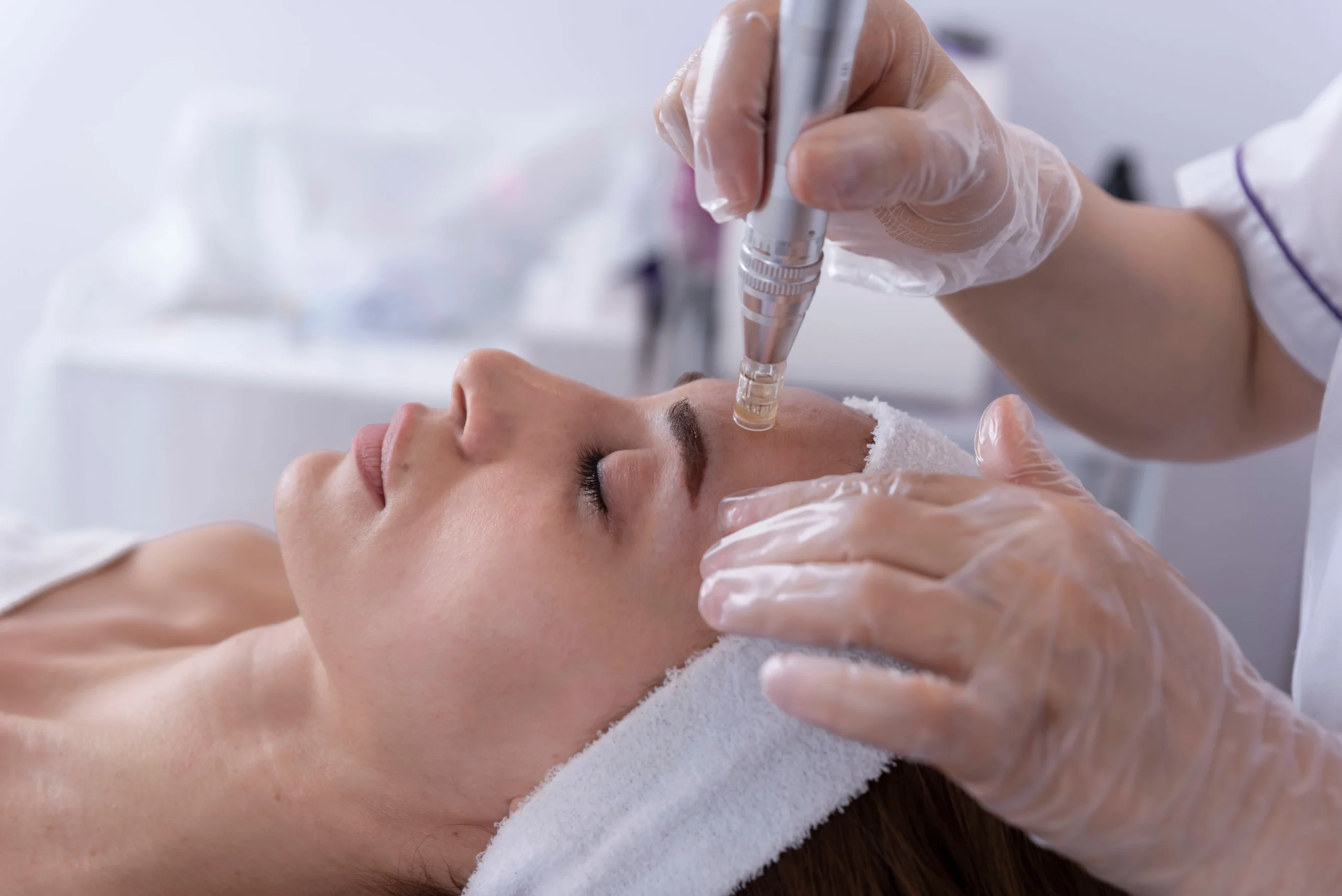
Choosing the right aesthetic treatment can feel overwhelming when clinics offer everything from refreshing facials to advanced laser procedures. A reputable medspa san ramon provider may offer several options tailored to skin concerns, cosmetic goals, and individual preferences. However, each treatment works differently, and not every service suits every person. Understanding the available options, expected results, potential risks, and recovery requirements can help you make informed decisions and build a skincare plan that fits your needs.
Medical-Grade Facials for Healthier-Looking Skin
Facials are among the most approachable treatments available at an aesthetic clinic. Depending on the service, they may help remove surface impurities, exfoliate dead skin cells, improve hydration, and leave the complexion looking smoother and fresher.
Unlike a basic at-home skincare routine, professional facials can be adapted to specific concerns, including dryness, excess oil, clogged pores, and dull-looking skin.
Hydrating and deep-cleansing facials
A hydrating facial focuses on replenishing moisture with suitable skincare products. It may benefit people experiencing tightness, flaking, or dehydration, especially when combined with a consistent home skincare routine.
Deep-cleansing facials typically involve cleansing, exfoliation, and, when appropriate, extraction of clogged pores. However, aggressive extractions can irritate inflamed acne, so the treatment should be adjusted to the condition of the skin.
Who should consider a facial?
Facials may suit people who want a refreshed complexion without significant downtime. Results depend on the products and techniques used, and one session will not necessarily resolve persistent acne, rosacea, or other medical skin conditions.
Before booking, ask which ingredients will be applied and whether the treatment is appropriate for sensitive skin. If you experience frequent irritation, request a gentler approach rather than assuming that stronger exfoliation will produce better results.
Chemical Peels for Uneven Texture and Skin Tone
Chemical peels use carefully selected acids or other chemical solutions to exfoliate the skin. Depending on their strength and formulation, they may improve the appearance of uneven pigmentation, rough texture, certain acne-related marks, and fine lines.
Common ingredients include glycolic acid, salicylic acid, and lactic acid. Each works differently, so the choice depends on the skin concern, sensitivity, and treatment goals.
Choosing the right peel strength
A superficial peel targets the outermost layers of the skin and generally involves less recovery time. Medium-depth peels reach deeper layers and may require more healing. Deep peels involve greater risks and are not appropriate for routine treatment in every medspa setting.
A stronger peel is not automatically the better choice. Excessive irritation can cause prolonged redness, scarring, or changes in skin pigmentation, particularly when the procedure is poorly selected or performed.
People with darker skin tones should pay particular attention to provider experience with their skin type because inflammation can trigger post-inflammatory hyperpigmentation, which appears as darker patches after irritation.
Follow the recommended aftercare, avoid picking peeling skin, and use broad-spectrum sunscreen. Your provider should explain the likely recovery period before treatment.
Botox and Other Wrinkle-Relaxing Injections
Wrinkle-relaxing injections are popular among people who want to soften certain expression lines without surgery. Botulinum toxin products temporarily reduce the activity of targeted muscles, helping minimize the appearance of wrinkles caused by repeated facial movements.
Common treatment areas include forehead lines, frown lines between the eyebrows, and crow’s feet around the eyes. The specific areas that can be treated depend on the product, its approved indications, and an individual’s anatomy.
What results should you expect?
Results are not usually immediate. Changes develop over several days, with the full effect becoming more apparent over approximately one to two weeks. The benefits are temporary, and repeat treatment may be needed to maintain the effect.
Possible side effects include bruising, swelling, discomfort, headache, and, less commonly, temporary eyelid or eyebrow drooping. More serious complications are possible, so injections require appropriate medical expertise.
Before treatment, discuss previous cosmetic procedures, medical conditions, medications, and your desired level of movement. A qualified injector should aim for a result that suits your facial features rather than simply recommending a standard number of units.
The American Academy of Dermatology advises consumers to seek qualified medical professionals and avoid botulinum toxin injections in nonmedical settings.
Dermal Fillers for Facial Volume and Contour
Dermal fillers are injectable materials used to add volume, soften certain facial folds, or enhance selected contours. Many commonly used fillers contain hyaluronic acid, a substance that attracts water and helps create a plumping effect in treated areas.
Depending on the product and its approved use, fillers may be considered for the lips, cheeks, and certain facial folds. Different formulations have different properties, so not every filler is suitable for every area.
How do fillers differ from wrinkle-relaxing injections?
The distinction is straightforward: wrinkle-relaxing injections target muscle activity, while fillers add volume beneath the skin. A person concerned about both expression lines and age-related volume loss may be evaluated for either treatment or a combination of approaches.
However, fillers are not risk-free. Temporary swelling and bruising are common possibilities, while accidental injection into a blood vessel can cause tissue damage, vision loss, or stroke.
Choose a licensed, appropriately trained medical professional who understands facial anatomy, uses legitimate products, and can respond to complications. Avoid do-it-yourself fillers and needle-free injection devices.
Laser Treatments for Hair Removal and Skin Concerns
Laser technology is used for several aesthetic purposes, but different devices target different structures in the skin. Laser hair removal, for example, targets pigment in hair follicles to reduce future hair growth.
Multiple sessions are generally needed because hair grows in cycles. Results vary according to hair color, skin tone, treatment area, and the device used. Laser hair removal typically provides long-term hair reduction rather than a guarantee that all hair will disappear permanently.
Laser treatments for pigmentation and redness
Certain laser and light-based procedures may improve selected sun spots, visible blood vessels, and other pigmentation concerns. The appropriate device depends on what is causing the discoloration.
A dark spot should not automatically be treated as a cosmetic blemish. New, changing, irregular, or bleeding spots should be evaluated by a qualified medical professional before any aesthetic procedure.
Laser treatments can also cause burns, scarring, and pigment changes if the settings or technique are unsuitable. Ask whether the provider has experience treating your skin tone, how the device will be selected, and whether a test spot is appropriate.
Sun protection before and after treatment is important, and some procedures require temporary avoidance of sun exposure or certain skincare ingredients.
Microneedling for Acne Scars and Skin Texture
Microneedling uses fine needles to create controlled punctures in the skin. This process stimulates a wound-healing response and may improve the appearance of certain acne scars, fine lines, and uneven texture over time.
It is often considered by people who want to address textural concerns that ordinary moisturizers and exfoliating products have not sufficiently improved.
Is one session enough?
Not necessarily. Depending on the severity of the concern and the device used, a series of treatments may be recommended. Improvement develops gradually as the skin heals, and the final outcome varies from person to person.
Temporary redness, discomfort, swelling, dryness, and pinpoint bleeding can occur. Infection, scarring, and pigmentation changes are also possible.
Avoid treatment over active skin infections or inflamed acne unless a qualified clinician determines an appropriate plan. Tell the provider if you have a history of cold sores, unusual scarring, or pigmentation changes after skin irritation.
The U.S. Food and Drug Administration also warns that radiofrequency microneedling can cause serious complications, including burns, scarring, fat loss, and nerve damage. Patients should understand the specific device and its risks rather than assuming that all microneedling procedures are equivalent.
Body Contouring and Skin-Tightening Procedures
Some medical spas offer noninvasive body-contouring services intended to change the appearance of localized fat deposits or improve the look of skin laxity. Depending on the technology, treatments may use cooling, heating, ultrasound, or other energy-based methods.
These procedures appeal to people who want to address specific areas without undergoing surgery. Nevertheless, the expected outcome depends on the device, treatment area, individual anatomy, and the evidence supporting that particular procedure.
What are the limitations?
Body contouring is not a substitute for weight management, and it should not be marketed as a dependable method for substantial weight loss. Results may be modest, develop over time, or require multiple sessions.
Risks vary by technology and can include pain, swelling, bruising, burns, or other complications. Certain fat-reduction procedures can also cause uncommon but significant adverse effects.
Skin-tightening services have similar limitations: improvements may be subtle, and no nonsurgical procedure can guarantee results comparable to surgery.
Ask the clinic for the exact device name, its FDA clearance or approval status where applicable, the expected degree of improvement, and the risks associated with the treatment. Be cautious of promises of dramatic results after a single visit.
LED Light Therapy for Selected Skin Concerns
LED light therapy uses specific wavelengths of light to target selected skin concerns. Red-light devices are commonly marketed for skin rejuvenation, while blue-light devices may be used as part of an acne-focused treatment plan.
The potential benefits depend on the device, treatment protocol, and condition being addressed. LED therapy is generally less invasive than injectables or ablative laser procedures, but that does not mean every device is effective for every concern.
It may be offered as a standalone service or alongside other skincare treatments. However, it should not replace appropriate medical care for persistent acne, unexplained rashes, or other conditions requiring diagnosis.
Before booking, ask what evidence supports the particular device and whether the proposed treatment is suitable for your skin. People who take medications that increase light sensitivity or have photosensitive conditions should disclose this information during the consultation.
How to Compare Common Medspa Treatments
The best treatment depends on your primary concern, tolerance for recovery time, and willingness to maintain results. The following table provides a practical starting point for comparing common options.
| Treatment | Common aesthetic goal | Typical recovery considerations | May require repeat sessions? |
|---|---|---|---|
| Professional facial | Hydration and temporary improvement in skin appearance | Usually minimal; mild irritation is possible | Often, depending on goals |
| Chemical peel | Uneven tone and rough texture | Redness, peeling, or longer healing depending on depth | Often |
| Wrinkle-relaxing injections | Expression lines | Usually little downtime; bruising may occur | Yes, to maintain results |
| Dermal fillers | Selected facial folds and volume loss | Swelling and bruising may last days or longer | Depends on product and area |
| Laser hair removal | Long-term hair reduction | Temporary redness or irritation | Usually |
| Microneedling | Selected acne scars and textural concerns | Redness and sensitivity for several days or longer | Often |
| Body contouring | Localized fat reduction or selected contour concerns | Varies by technology; swelling or discomfort may occur | Sometimes |
| LED light therapy | Selected acne or skin appearance concerns | Usually minimal, depending on the device | Often |
These are general expectations, not guarantees. Actual recovery time and results depend on the treatment depth, device, product, individual health, and provider’s technique.
How to Choose a Safe and Suitable Medspa Clinic
Finding a suitable clinic involves more than comparing prices, promotional offers, or before-and-after photographs. Because many aesthetic treatments are medical procedures, provider qualifications and safety practices should guide your decision.
Check credentials and treatment experience
Ask who will perform the procedure, what license they hold, and how much experience they have with the specific treatment. Licensing and scope-of-practice requirements differ by state and by procedure, so confirm that the professional is legally qualified to provide the service.
For higher-risk procedures, consider consulting a board-certified dermatologist or another appropriately qualified medical professional with relevant aesthetic experience.
Request a personalized consultation
A good consultation should include a review of your medical history, skin concerns, medications, allergies, previous treatments, and expectations. The provider should explain alternatives, potential complications, realistic outcomes, and whether you are a suitable candidate.
For example, someone with acne scars and sensitive skin may benefit from a different treatment plan than someone primarily concerned with sun spots. The clinic should explain why a particular approach fits the individual’s needs rather than recommending the same package to everyone.
Understand costs and aftercare
Ask for the full price, including consultation fees, follow-up visits, and any additional sessions that may be necessary. Confirm whether the clinic provides written aftercare instructions and a clear process for reporting complications.
If you are researching a local medspa, compare the provider’s credentials, treatment options, safety procedures, and communication style. A trustworthy clinic should welcome questions and never pressure you to purchase a procedure on the spot.
The American Academy of Dermatology recommends asking detailed questions before cosmetic procedures because appropriate training and medical knowledge are important to reducing risks.
Conclusion
Medical spas offer a broad range of aesthetic treatments, from hydrating facials and chemical peels to injectables, laser procedures, microneedling, and body contouring. Each option addresses different concerns, and the right choice depends on your skin condition, personal goals, budget, and tolerance for recovery time. Before committing to a procedure, prioritize a thorough consultation, qualified providers, transparent pricing, and realistic expectations. Ask about potential side effects and the aftercare required to protect your results. With careful research and an individualized treatment plan, you can make more informed decisions about your skincare and aesthetic care.
Frequently Asked Questions
1. What is the difference between a medspa and a regular day spa?
A day spa generally focuses on relaxation and cosmetic services, such as massages and traditional facials. A medical spa may offer medical aesthetic procedures, including injectables, certain lasers, and microneedling, under appropriately qualified medical supervision. The services and legal requirements vary by location.
2. How much do medspa treatments usually cost in the United States?
Costs vary according to the treatment, provider, location, product used, and number of sessions required. Basic facials may cost less than advanced laser procedures or injectables. Request an itemized estimate and ask about maintenance costs before choosing a treatment.
3. Are medspa treatments suitable for sensitive skin?
Some treatments can be adapted for sensitive skin, but suitability depends on the underlying condition and the procedure. Chemical peels, lasers, and microneedling may aggravate certain skin problems. A qualified provider should assess your skin and recommend an appropriate approach.
4. How often should you visit a medspa?
There is no universal schedule. Facials may be repeated periodically, while injectables, laser hair removal, and microneedling follow different treatment intervals. Your provider should recommend a schedule based on the specific procedure, your response, and the manufacturer’s instructions where applicable.
5. How can you prepare for your first medspa appointment?
Arrive with a clear idea of your goals and bring a list of medications, allergies, medical conditions, and previous cosmetic treatments. Ask about preparation, downtime, possible side effects, and aftercare. Do not stop prescribed medication or change your skincare routine before a procedure without appropriate professional guidance.