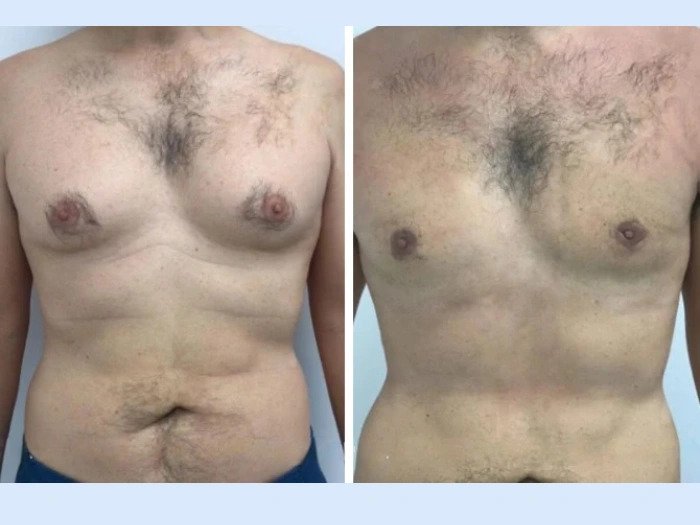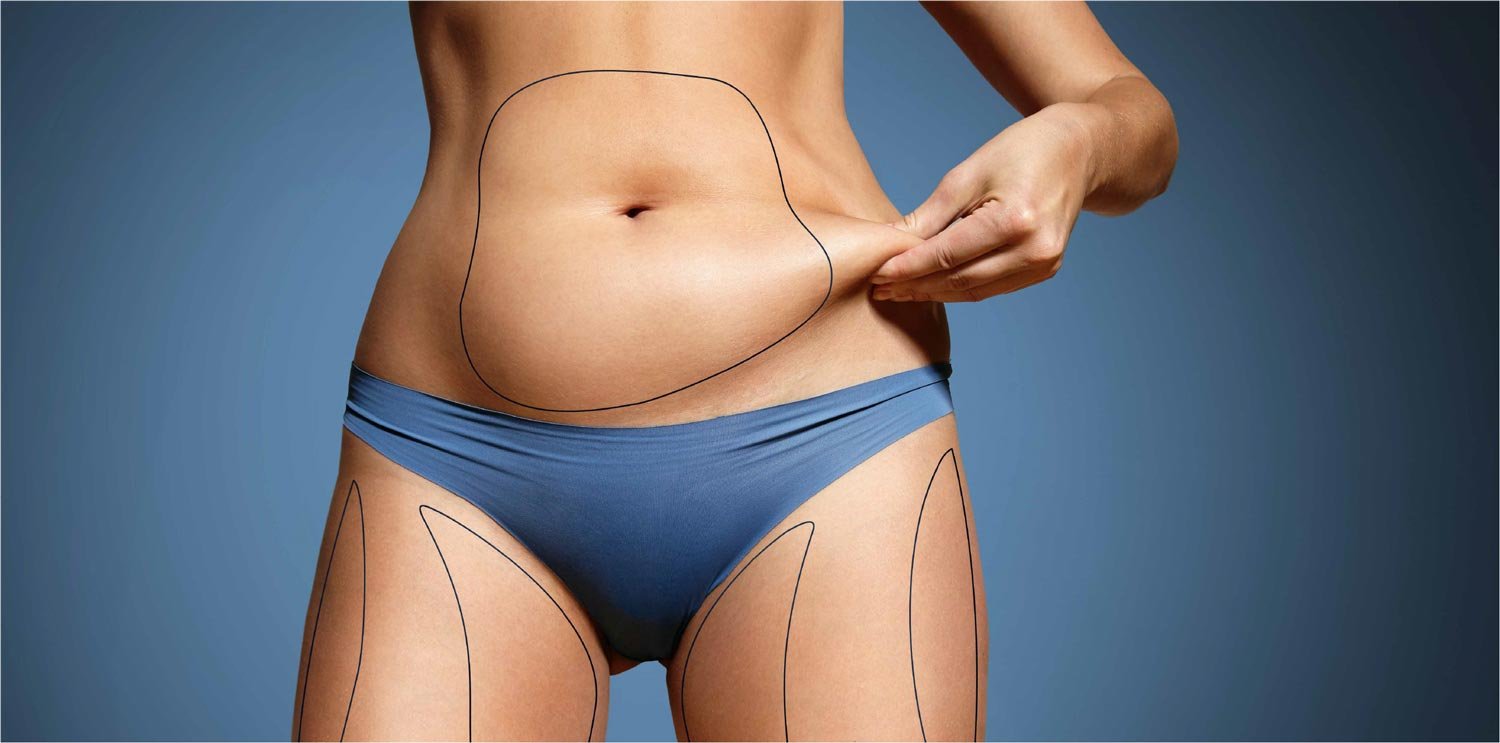
Abdominal appearance can be influenced by several factors, including loose skin, stubborn fat deposits, weakened abdominal muscles, changes in skin elasticity, and the body’s natural proportions. These concerns can develop after pregnancy, significant weight changes, ageing, or other changes in body composition. Although they may appear similar from the outside, each concern can require a different approach to treatment.
Before proceeding with surgery, a detailed assessment helps the surgeon understand the underlying causes of abdominal changes and determine which options may be appropriate. Abdominoplasty Surgery Dubai involves more than evaluating the amount of excess skin. The consultation also considers abdominal muscle condition, fat distribution, skin quality, the position of the navel, and the patient’s individual goals.
At Cornerstone Clinic, understanding these different factors is an important part of planning an approach that reflects each patient’s anatomy and expectations. A personalised assessment helps establish realistic objectives and clarify which areas may benefit from surgical correction.
Understanding the Different Types of Abdominal Concerns
Abdominal concerns vary considerably between individuals. Some people primarily notice loose skin below the navel, while others experience changes across the entire abdomen or have concerns about abdominal muscle separation. In some cases, several issues occur together.
The first step is identifying which factors contribute most to the patient’s concerns. This allows the surgeon to consider the relationship between the skin, underlying tissues, muscles, and fat distribution rather than focusing on a single visible feature.
For example, a protruding abdomen may be associated with localised fat, weakened abdominal muscles, or a combination of both. Similarly, folds around the lower abdomen may reflect excess skin that has lost some of its elasticity. Understanding these distinctions helps guide the discussion about suitable treatment options.
Assessing Excess Abdominal Skin
Loose skin is one of the main reasons people consider abdominoplasty. Skin may become stretched during pregnancy or significant weight gain and may not fully retract after the abdomen returns to a smaller size.
During the consultation, the surgeon examines the amount of excess skin, its location, and its overall quality. Particular attention may be given to the lower abdomen, where loose tissue can form folds or extend over the waistline. The upper abdomen is also assessed to determine whether skin laxity extends beyond the area below the navel.
Skin elasticity is another important consideration. Skin that retains some flexibility may respond differently to treatment than skin that has become significantly stretched. The surgeon also evaluates whether loose skin is concentrated in one area or distributed across a larger portion of the abdomen.
These observations help determine whether a full abdominoplasty or another approach might be appropriate. The final recommendation depends on the distribution of excess skin, the condition of the underlying tissues, and the patient’s overall anatomy.
Evaluating Abdominal Fat Distribution
Fat distribution is another factor considered during an abdominoplasty assessment. Some individuals have localised fat deposits in the lower abdomen, while others notice fullness across the upper abdomen, waist, and flanks.
The surgeon evaluates the thickness and distribution of the tissue around the abdominal area. This helps distinguish concerns primarily associated with excess skin from those in which fat contributes significantly to the overall contour.
It is also important to understand that fat beneath the skin and fat located deeper within the abdominal cavity are different. Abdominoplasty primarily addresses excess skin and may involve selected subcutaneous fat removal. It is not a weight-loss procedure and does not remove visceral fat surrounding internal organs.
Where appropriate, the surgeon may discuss whether liposuction could complement the planned procedure. This depends on the patient’s anatomy, skin quality, and treatment objectives. The aim is to select an approach that addresses the identified concerns while maintaining suitable abdominal proportions.
Examining Abdominal Muscle Separation
Changes in the abdominal muscles can affect the appearance and contour of the midsection. Pregnancy and other factors may contribute to separation of the rectus abdominis muscles, a condition commonly known as diastasis recti.
This separation can create a central abdominal bulge, even when the amount of excess fat is relatively limited. Consequently, assessing the muscles is an important part of a comprehensive surgical consultation.
The surgeon examines the abdomen and may assess the degree and location of muscle separation. The evaluation can include observing the abdominal wall during movement and checking for changes in its contour. The patient’s medical and pregnancy history may also provide useful context.
When muscle separation is present and clinically appropriate to address, the surgeon may discuss tightening the abdominal wall as part of the procedure. This is different from removing excess skin alone.
Not every patient requires muscle repair. The recommendation depends on the examination findings, the patient’s anatomy, and the goals established during consultation.
Considering the Patient’s Skin Quality and Tissue Condition
Skin quality influences how the abdomen may appear after excess tissue is removed. Two patients with similar amounts of loose skin can have different skin characteristics, which may affect surgical planning.
The surgeon considers factors such as skin elasticity, thickness, stretch marks, and the extent of existing skin laxity. Stretch marks located on skin that may be removed can sometimes be reduced as part of the procedure, although not all stretch marks can be eliminated.
The location of previous scars is also relevant. Scars from earlier abdominal procedures may influence incision planning and the assessment of the tissues. The surgeon reviews their position and considers how they relate to the proposed surgical approach.
These details help establish realistic expectations regarding the anticipated abdominal contour. The goal is to develop a plan suited to the patient’s existing tissue characteristics rather than assuming that every abdomen will respond in the same way.
Assessing the Position of the Navel
The navel, or belly button, plays an important role in the overall appearance of the abdomen. Its position, shape, and relationship to the surrounding skin can influence the final aesthetic result.
During assessment, the surgeon examines the navel in relation to the upper and lower abdomen. Excess skin may cause it to appear lower, stretched, or surrounded by folds. The surgeon also considers how removing and repositioning abdominal skin could affect its appearance.
In a full abdominoplasty, the navel is commonly brought through an opening in the repositioned skin so that it can maintain a natural-looking relationship with the abdominal contour. The precise approach depends on the surgical technique and the patient’s anatomy.
Discussing the navel before surgery helps clarify expectations about the overall shape and appearance of the midsection. Its assessment is therefore part of the broader planning process rather than a separate cosmetic consideration.
Determining Whether Full or Mini Abdominoplasty May Be Suitable
Not every patient requires the same extent of abdominal surgery. The choice between a full and mini abdominoplasty depends largely on where excess skin is located and whether other concerns need to be addressed.
A mini abdominoplasty may be considered when excess skin is primarily concentrated below the navel and the upper abdomen has relatively limited skin laxity. The suitability of this approach depends on the patient’s anatomy and the extent of correction required.
A full abdominoplasty may be more appropriate when excess skin extends across a larger part of the abdomen, particularly when the upper and lower abdominal tissues need to be addressed together. Muscle separation may also influence the recommendation.
The surgeon compares the location of loose skin, the condition of the abdominal wall, and the patient’s desired outcome before discussing the available options. A smaller procedure is not automatically preferable; the selected approach should correspond to the actual concerns identified during examination.
Reviewing Medical History and Previous Weight Changes
A patient’s medical history provides important information for surgical planning. During consultation, the surgeon may ask about previous pregnancies, weight fluctuations, earlier abdominal procedures, existing medical conditions, and current medications.
Weight stability is particularly relevant. Significant ongoing weight changes can affect the abdominal tissues and may influence the long-term appearance of the surgical result. Patients who are still actively losing weight may be advised to discuss the timing of surgery with their surgeon.
Pregnancy plans may also be relevant because a future pregnancy can stretch the abdominal skin and muscles again. This does not mean that every patient must follow the same timeline, but it is an important consideration when discussing expectations.
The consultation may also include a review of general health, previous healing experiences, and lifestyle factors. This information helps the surgeon determine whether further assessment is needed and whether the proposed procedure fits the patient’s circumstances.
Establishing Realistic Expectations and Treatment Goals
A successful consultation involves understanding what the patient hopes to achieve. Some individuals want to reduce a lower abdominal fold, while others are concerned about widespread skin laxity, a central bulge, or changes following pregnancy.
The surgeon discusses these priorities and compares them with the findings from the physical examination. This conversation helps establish which concerns can reasonably be addressed through abdominoplasty and which may require a different approach.
Patients should also understand that abdominoplasty is intended to improve abdominal contour rather than produce a specific body weight. The final appearance depends on individual anatomy, tissue characteristics, and the surgical plan.
Discussing incision placement, the anticipated changes to the abdominal profile, and the expected recovery process can help patients make informed decisions. Clear communication ensures that treatment planning is guided by both clinical findings and the patient’s personal preferences.
How a Personalised Assessment Supports Surgical Planning
A comprehensive abdominal assessment brings together all the findings from the consultation. Rather than evaluating loose skin, fat, or muscle separation independently, the surgeon considers how these features interact.
For example, a patient may have loose lower abdominal skin, moderate fat deposits, and muscle separation following pregnancy. Another patient may have good muscle tone but substantial skin laxity after significant weight loss. Although both may be interested in abdominoplasty, their treatment plans could differ considerably.
The surgeon uses the examination findings and medical history to discuss the appropriate procedure, the areas that can be addressed, and the limitations of treatment. Additional investigations may be recommended when clinically indicated.
For individuals considering Abdominoplasty Dubai, this personalised approach provides an opportunity to understand why a particular technique may be recommended and how it relates to their individual abdominal concerns.
At Cornerstone Clinic, a detailed consultation can help patients explore their options, ask questions, and develop a clearer understanding of the proposed treatment plan before making a decision.
Conclusion
Assessing different abdominal concerns before surgery is an essential part of planning abdominoplasty. Loose skin, fat distribution, muscle separation, skin quality, navel position, previous weight changes, and individual treatment goals can all influence the recommended approach.
A detailed examination helps distinguish between concerns that may require skin removal, abdominal muscle repair, or a combination of techniques. It also allows the surgeon to consider whether a full or mini abdominoplasty is more suitable for the patient’s anatomy.
For those exploring Abdominoplasty Surgery Dubai, an individual consultation provides the opportunity to discuss their concerns, understand the available options, and establish realistic expectations. Careful assessment supports a treatment plan tailored to the patient’s needs and desired abdominal contour.
Frequently Asked Questions
1. What abdominal concerns are assessed before abdominoplasty surgery?
The surgeon typically evaluates excess skin, fat distribution, abdominal muscle separation, skin elasticity, navel position, previous scars, and overall abdominal proportions. Medical history and individual treatment goals are also considered when planning surgery.
2. Why is skin elasticity important before abdominoplasty?
Skin elasticity helps the surgeon understand the condition of the abdominal tissues and the extent of skin laxity. This information contributes to decisions about how much excess skin may need to be removed and which surgical approach may be appropriate.
3. Can abdominoplasty address separated abdominal muscles?
Abdominoplasty may include abdominal muscle repair when separation is present and the procedure is appropriate. The need for repair is determined during the consultation based on the patient’s anatomy and examination findings.
4. How does the surgeon distinguish between abdominal fat and loose skin?
The surgeon examines the thickness and distribution of the abdominal tissues and evaluates the amount of excess skin. This helps identify whether the main concern involves skin laxity, subcutaneous fat, muscle separation, or a combination of these factors.
5. What is the difference between full and mini abdominoplasty?
A mini abdominoplasty generally focuses on excess skin in the lower abdomen, whereas a full abdominoplasty can address more extensive skin laxity and may include muscle repair. The appropriate option depends on the location and extent of the patient’s concerns.
6. Is weight stability important before abdominoplasty?
Yes. Maintaining a relatively stable weight can help support more predictable long-term contour changes. Significant weight fluctuations after surgery may alter the abdominal appearance, so weight stability is an important topic to discuss with the surgeon.
7. Will the navel change during abdominoplasty?
Its appearance may change depending on the surgical technique. During a full abdominoplasty, the navel is commonly brought through the repositioned abdominal skin. The surgeon considers its position and shape when planning the procedure.
8. Can abdominoplasty remove all abdominal stretch marks?
No. Stretch marks on skin removed during surgery may be reduced, but those located on skin that remains are generally not eliminated by the procedure. The extent of any improvement depends on their location and the surgical plan.
9. What should patients discuss during an abdominoplasty consultation in Dubai?
Patients should discuss their main abdominal concerns, medical history, previous pregnancies or weight changes, treatment goals, and expectations. They can also ask about the recommended technique, incision placement, recovery, and the likely extent of improvement.
10. How is the appropriate abdominoplasty procedure selected?
The surgeon considers the distribution of excess skin, abdominal muscle condition, fat deposits, skin quality, navel position, medical history, and desired outcome. These findings help determine whether a full or mini abdominoplasty, or another treatment approach, may be suitable.