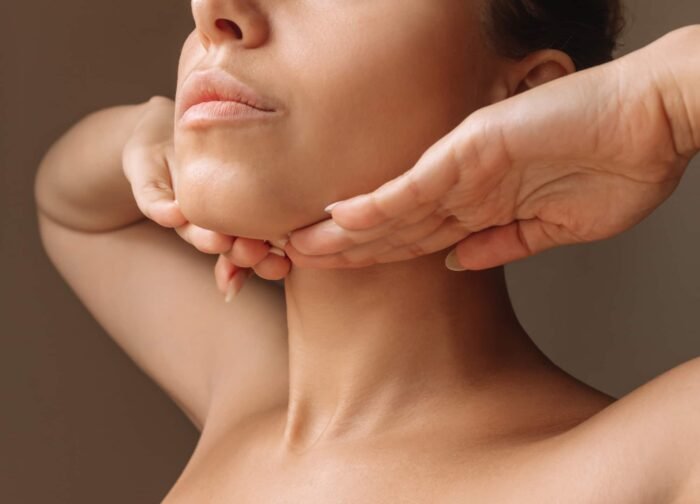
Chin liposuction is a popular cosmetic procedure designed to remove stubborn fat deposits beneath the chin and along the upper neck, creating a distinct, defined jawline. Many individuals seeking a sculpted profile consider Chin Liposuction in Abu Dhabi to address the appearance of a double chin. However, a primary concern among prospective patients is whether the procedure actively tightens loose or sagging skin, or if it simply removes fat.
Understanding Chin Liposuction and Skin Response
Chin liposuction focuses primarily on fat retrieval rather than structural skin manipulation. During the procedure, small incisions are made to insert a thin cannula that disrupts and extracts localized subcutaneous fat cells.
How Fat Removal Affects the Submental Region
- Fat Cell Extraction: Liposuction targets deposits lying between the skin layer and underlying neck muscles.
- Tissue Recoil: Skin shrinkage relies on natural elasticity rather than surgical tightening of the dermis.
- Submental Reshaping: Decreasing fat volume reshapes the lower facial contour, creating a sleeker transition from jaw to neck.
The Role of Natural Skin Elasticity
- Dermal Structure: Young or resilient skin containing abundant collagen retracts efficiently over newly contoured underlying tissue.
- Age Considerations: Natural skin elasticity declines over time, which directly impacts how smoothly skin conforms after fat removal.
- Skin Tone Quality: Firm, hydrated, and undamaged skin yields the smoothest postoperative visual outcome.
Direct Skin Tightening vs. Natural Retraction
A clear distinction exists between procedural skin tightening and natural post-liposuction skin retraction. Liposuction itself does not cut, pull, or surgically anchor loose skin into a tighter position.
Mechanics of Post-Procedure Retraction
- Collagen Stimulation: Micro-trauma beneath the skin surface triggers a mild healing response, encouraging modest collagen remodeling.
- Adhesion Formation: As internal tissues heal, the skin layer adheres back to underlying muscle planes.
- Limit of Retraction: Natural retraction can only compensate for mild skin laxity; it cannot pull tight significant excess skin fold.
Scenarios Requiring Alternative or Combined Care
- Severe Skin Laxity: When significant sagging or “turkey neck” is present, removing fat alone may result in empty or wrinkled skin.
- Advanced Muscle Banding: Sagging caused by loose platysma neck muscles requires muscular repositioning rather than superficial fat extraction.
- Integrated Procedures: Individuals with diminished skin tone often benefit from combined contouring treatments designed specifically for dermal elevation.
Candidates Likely to See Firmer Results
The ultimate firmness achieved after submental fat removal varies significantly based on individual structural and skin characteristics.
Ideal Characteristics for Smooth Contours
- Good Dermal Elasticity: Strong, supple skin adapts quickly to the reduced volume beneath.
- Mild-to-Moderate Submental Fat: Target areas consisting mostly of localized fat rather than excess skin yield optimal definition.
- Solid Bone Structure: A well-defined lower jawbone gives the retracting skin a clear anchor line.
Factors That Limit Skin Adaptation
- Pronounced Elasticity Loss: Depleted elastin levels prevent skin from snapping back over reduced tissue volume.
- Significant Weight Fluctuations: Prior major weight shifts can stretch the dermal layer beyond its natural retraction limit.
- Sun Damage & Aging: Chronic sun exposure degrades structural proteins in the skin, reducing post-procedure firmness.
What to Expect During the Healing Process
Post-procedural recovery plays a vital role in encouraging the skin to conform evenly to the new contours of the lower face and neck.
Post-Care Guidelines Supporting Skin Adaption
- Compression Garment Use: Wearing a fitted chin strap applies uniform pressure, minimizing fluid build-up and guiding skin adherence.
- Fluid Drainage Management: Swelling management ensures that stretching pressures on the skin layer subside smoothly.
- Patience for Final Shape: True skin adaptation takes time as internal swelling completely resolves over several months.
Timeline of Visual Adjustments
- Initial Weeks: Post-treatment swelling and tissue response may temporarily obscure true skin tightness.
- One to Three Months: Subcutaneous healing progresses, allowing skin to settle closer to underlying muscle tissue.
- Six Months and Beyond: Final collagen remodeling completes, revealing the full extent of skin retraction and contour definition.
Frequently Asked Questions
Can chin liposuction worsen sagging skin?
If significant skin laxity is present prior to fat removal, removing underlying volume without addressing excess skin can lead to a slightly looser appearance. Proper evaluation of skin elasticity helps determine whether fat extraction alone is suitable.
How long does it take for skin to retract after chin liposuction?
Initial skin settling occurs over the first four to six weeks as swelling subsides. However, full skin adaptation and collagen remodeling continue over a period of three to six months.
Is wearing a compression garment essential for skin tightening?
Yes, consistent use of a support garment assists in holding the skin firmly against underlying tissue structures, supporting an even healing surface and helping control fluid accumulation.
Will chin liposuction fix a double chin caused by loose skin?
Chin liposuction specifically targets fat accumulation. If a double chin is caused primarily by loose skin or sagging neck muscles rather than excess fat, surgical or non-invasive tightening techniques are generally required instead.