A tank that feels comfortable during warmups can become distracting halfway through a workout. The armholes shift during presses, the hem rides up during pull-ups, or the fabric clings once you start sweating. These small details can change how comfortably you move through your session.
That is why choosing between men’s workout tanks and athletic tanks deserves more thought than picking a color or size. Although the names often overlap, certain designs prioritize gym-specific movements while others accommodate broader athletic activities. Understanding those differences helps you choose what actually works for your training.
Key Takeaways
- Torso shaping influences fit: Workout tanks may feature a tapered silhouette, while athletic tanks often provide more room through the midsection.
- Shoulder construction affects coverage: Armhole depth, strap width, and back design influence how much of your torso remains covered during different exercises.
- Fabric and hem design matter: Ventilation, moisture management, and hem construction can help determine which tank suits your training routine.
5 Key Differences Between Men’s Workout Tanks and Athletic Tanks
Chest and Waist Shaping
A gym-focused tank may have a narrower waist and a more defined chest, creating a fitted silhouette commonly associated with weight training. General athletic tanks often feature straighter side seams, leaving more room around the abdomen for running, stretching, and other activities.
When comparing men’s workout tanks, pay attention to how the fabric follows your torso. A pronounced taper can create a close fit, but excessive narrowing may cause bunching when you sit or bend. A straighter athletic cut offers an alternative if you prefer more space around your midsection without sacrificing overall comfort.
Armhole Depth and Exposure
Beyond torso shape, the size of the side openings creates another noticeable difference. Lifting-oriented tanks sometimes feature deeper armholes that expose more of the upper torso. Athletic tanks designed for running or multipurpose training generally provide higher side coverage, which can feel more secure during repeated movement.
However, deeper openings do not automatically improve shoulder mobility. When trying men’s workout tanks, simulate a bent-over row and observe how the side panels sit. Excessively open armholes may expose more than intended, while openings positioned too close to your armpits can cause friction. Comfort depends on both opening depth and placement.
Shoulder Straps and Back
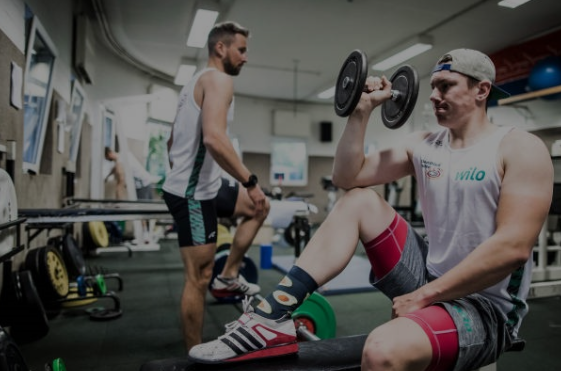
The amount of fabric covering your shoulders also varies between tank designs. Bodybuilding-style tanks frequently feature narrow straps and stringer backs, leaving much of the upper back exposed. General athletic designs may use broader shoulder panels that provide additional fabric coverage across the upper torso.
When comparing men’s tank tops, consider where the straps rest during equipment-based exercises. Narrow straps leave more skin exposed beneath a squat bar, while broader panels can provide additional coverage. Racerback designs also position fabric differently around the shoulder blades. Try overhead movements to determine whether the straps remain comfortably positioned throughout your range of motion.
Fabric Knit and Ventilation
Construction differences extend beyond the cut to the way fabrics handle heat and perspiration. Some lifting tanks use smooth, stretchable jersey fabric that follows the body, while athletic tanks may incorporate open-knit mesh or ventilation panels to promote airflow during continuous movement.
The American College of Sports Medicine’s 2025 guidance identifies lightweight, moisture-wicking clothing as useful for exercising in hot conditions. When evaluating the best workout tops, distinguish breathability from moisture management. Open-knit fabrics allow air circulation, whereas moisture-wicking materials help spread perspiration for evaporation. Consider your workout environment because fabric performance can vary with humidity and airflow.
Hem Construction and Stability
Another difference becomes noticeable when your workout involves frequent position changes. Some strength-focused tanks feature elongated or curved hems to provide additional torso coverage during overhead lifts. Athletic tanks made for running may have straighter hems that allow the fabric to hang more freely.
When comparing men’s workout tanks, check how the lower opening interacts with your waistband. A narrow hem may catch against your shorts during squats, while a wider opening may move excessively during burpees. Try overhead reaches and forward bends to evaluate stability. The right length should provide comfortable coverage without requiring constant adjustments between exercises.
Find Your Fit Beyond Labels
Workout and athletic tanks are not strictly separate clothing categories, but their construction can accommodate different training preferences. A tapered torso and open sides may appeal to some lifters, while broader coverage and ventilated fabrics can suit activities involving continuous movement. Neither design is automatically better for every exercise.
Before choosing men’s workout tanks, consider which construction details matter during your usual sessions. Check how the chest fits, where the shoulder straps rest, and whether the hem stays positioned. The right tank should complement your movement patterns and help you train without unnecessary clothing adjustments.
FAQs
Are athletic tanks better for cardio than workout tanks?
Not always. Athletic tanks with ventilated fabrics may suit cardio, but comfort also depends on garment fit and moisture management.
Are premium tank tops better for strength training?
Not necessarily. Premium tank tops should be evaluated for shoulder clearance, fabric recovery, and comfortable construction rather than price alone.
Can one tank suit lift and run?
Yes. Versatile top activewear can accommodate both activities when the fabric, coverage, and overall fit support your usual movements.