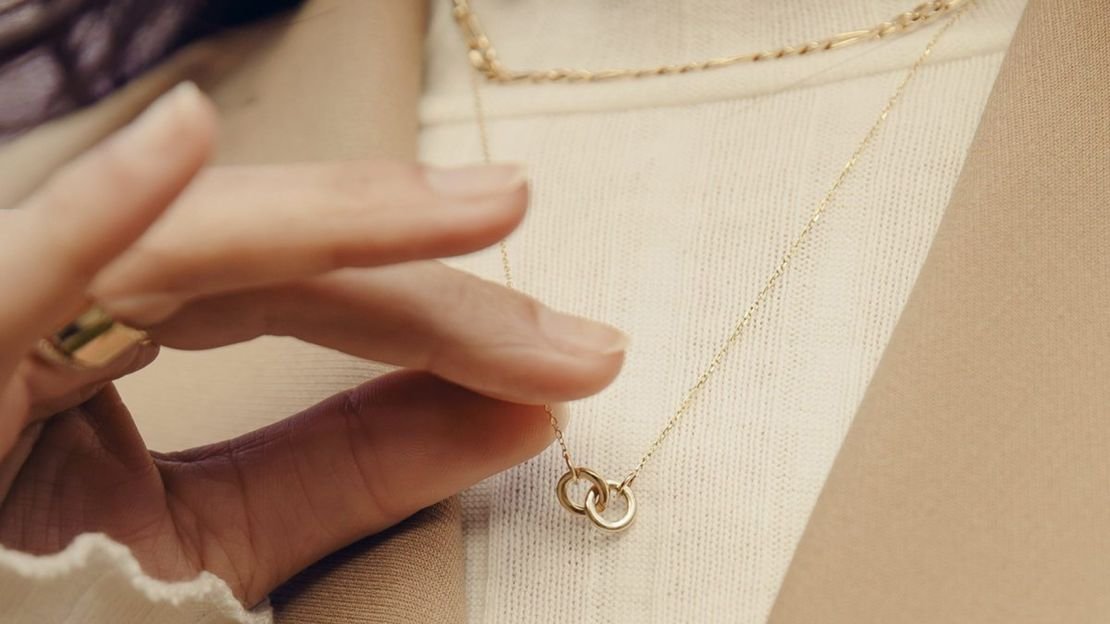
A simple necklace can change the mood of an entire outfit. As personal style becomes more expressive, accessories are playing a bigger role in how people dress, layer, and present themselves. From minimalist pieces to bold luxury jewelry, current trends influence everything from everyday outfits to special-occasion looks. Understanding these changes can help shoppers choose pieces that feel modern while still reflecting their personality, lifestyle, and long-term fashion preferences.
Why Jewelry Trends Matter in Modern Fashion
Fashion trends rarely exist in isolation. Clothing silhouettes, colors, fabrics, shoes, handbags, and accessories influence one another, creating a complete visual style. Jewelry has become especially important because it can transform an outfit without requiring a complete wardrobe change.
For example, a plain white shirt and tailored trousers can look polished with delicate gold pieces. The same outfit can take on a completely different character when paired with oversized earrings or layered chains.
This flexibility makes accessories valuable for people who want to refresh their wardrobes without constantly buying new clothing. Instead of replacing an entire outfit, changing a few carefully selected pieces can create a noticeably different appearance.
Jewelry trends also reflect broader changes in culture and consumer preferences. Shoppers increasingly look for individuality, quality, versatility, and meaning when selecting accessories. As a result, designers are balancing seasonal creativity with designs that can remain relevant for years.
The Shift Toward Personal Style
One of the strongest influences on modern fashion is the move away from rigid styling rules. People are increasingly mixing different metals, combining delicate and bold pieces, and wearing accessories according to their personal preferences.
Mixing Metals for a Modern Look
For years, many style guides suggested keeping gold and silver separate. Modern styling has made that rule much less important. Combining different metal tones can create depth and make an outfit appear more thoughtfully styled.
A simple approach is to choose one dominant metal and use another as an accent. For example, a silver watch can work with a gold bracelet when both pieces share a similar design detail.
The key is balance. Mixing every possible finish can make an outfit feel visually crowded, while two complementary tones can create a polished appearance.
Layering Adds Dimension
Layering has become another defining feature of contemporary accessory styling. Multiple necklaces, bracelets, or rings can create visual interest without requiring complicated clothing combinations.
When layering necklaces, vary the lengths so each piece remains visible. With bracelets, combining different textures can create contrast while maintaining a cohesive appearance.
However, layering does not mean wearing as many pieces as possible. A few thoughtfully selected accessories often create a stronger effect than an overloaded combination.
Statement Pieces Continue to Attract Attention
Minimalist styling may be popular, but bold accessories remain an important part of fashion. Statement earrings, oversized cuffs, sculptural rings, and dramatic necklaces can serve as the focal point of an outfit.
A statement piece works particularly well with simple clothing. A black dress, neutral blouse, or plain tailored suit provides a clean background that allows a bold accessory to stand out.
This approach can also simplify dressing. Instead of combining several accessories, one distinctive item can provide the visual interest an outfit needs.
Choosing the Right Statement Accessory
Consider these factors before purchasing a bold piece:
- Outfit compatibility: Choose a design that works with clothing you already own.
- Comfort: Large earrings, heavy necklaces, or rigid bracelets should remain wearable for the intended occasion.
- Proportion: Consider your clothing’s neckline, sleeve length, and overall silhouette.
- Frequency of use: A dramatic piece becomes more valuable when it can work across several outfits.
- Personal style: Trends are useful, but the accessory should still feel natural to you.
These considerations prevent impulse purchases and make it easier to build a practical accessory collection.
Minimalism Remains a Strong Fashion Influence
While statement designs attract attention, understated jewelry continues to shape everyday fashion. Small hoops, thin chains, simple pendants, stacking rings, and classic watches can complement almost any wardrobe.
Minimalist accessories work particularly well for professional settings because they add personality without overwhelming an outfit. They can also transition easily from daytime activities to evening plans.
Another advantage is versatility. A simple gold-toned necklace may work with workwear, casual clothing, weekend outfits, and formal attire. This makes understated pieces useful for people who prefer a smaller but more adaptable collection.
How Jewelry Trends Influence Shopping Habits
Changing fashion preferences have also affected how consumers approach accessory purchases. Instead of buying pieces solely because they are fashionable, many shoppers now consider durability, versatility, craftsmanship, and the story behind a product.
The growing interest in meaningful purchases has encouraged consumers to ask more questions before buying. They may want to know where a piece was produced, what materials were used, and whether it fits their existing wardrobe.
This shift can make shopping more intentional.
| Fashion Consideration | What Shoppers Should Look For | Practical Benefit |
|---|---|---|
| Versatility | Designs that work with multiple outfits | More styling options |
| Quality | Durable materials and careful construction | Longer useful life |
| Comfort | Appropriate weight and secure fittings | Easier everyday wear |
| Personal style | Designs that reflect individual taste | Greater wardrobe confidence |
| Timelessness | Classic shapes with limited trend dependence | Reduced need for frequent replacement |
| Sustainability | Responsible materials and production practices | More conscious purchasing |
A thoughtful buying process helps shoppers avoid accumulating accessories that rarely leave the jewelry box.
Personalization Is Changing Accessory Styling
Modern fashion increasingly celebrates individuality. Personalized accessories fit naturally into this movement because they can represent names, initials, dates, symbols, interests, or personal memories.
Personalization can also make an ordinary outfit feel more distinctive. A monogrammed pendant or meaningful charm can become part of someone’s everyday identity rather than simply another fashion item.
Layering personalized pieces with simpler designs can create a balanced appearance. The result feels individual without becoming visually excessive.
Sentimental Pieces Have Lasting Appeal
Not every accessory needs to follow a seasonal trend. Family heirlooms, gifts, commemorative pieces, and sentimental purchases can remain important even when fashion preferences change.
These pieces often provide something trend-driven products cannot: emotional meaning. Wearing them with modern clothing allows people to combine personal history with current fashion.
That combination is one reason classic accessories continue to remain relevant even as seasonal styles change.
Sustainable Choices Are Influencing Jewelry Fashion
Sustainability has become increasingly relevant to fashion consumers. People are paying greater attention to product longevity, material sourcing, packaging, production methods, and the environmental impact associated with consumption.
For accessories, durability is particularly important. A well-made piece that can be worn for years may offer more practical value than an inexpensive item designed around a short-lived trend.
Consumers can make more informed choices by researching materials and asking retailers about sourcing and production practices. Buying fewer pieces and selecting designs that can work across different occasions is another practical approach.
Quality Can Support a More Sustainable Wardrobe
A quality-focused approach does not require buying the most expensive item available. Instead, shoppers can consider construction, material suitability, finishing, and expected wear.
Before purchasing, ask:
- Will I wear this piece regularly?
- Can I style it with several outfits?
- Is the design likely to remain useful after this season?
- Does the material suit how I intend to wear it?
- Can the piece be maintained or repaired if necessary?
These questions encourage practical decision-making rather than trend-driven spending.
Social Media Has Accelerated Jewelry Trends
Fashion trends can now spread quickly through social platforms, celebrity styling, creator content, and online retail. A particular necklace style or earring shape can become widely visible within a short period.
This speed gives consumers more inspiration, but it can also make trends feel temporary. A design that appears everywhere today may receive much less attention several months later.
For this reason, shoppers can separate inspiration from purchasing decisions. It is perfectly reasonable to notice a trend without immediately buying into it.
Build Trends Around Existing Pieces
A useful strategy is to start with what you already own. If you have several simple necklaces, for example, a new pendant may expand your styling options more effectively than purchasing another similar chain.
Likewise, someone with mostly understated accessories might choose one bold pair of earrings to introduce variety.
This approach keeps new purchases connected to an existing wardrobe rather than creating a collection of disconnected pieces.
Jewelry and Seasonal Fashion Work Together
Seasonal clothing trends often influence accessory choices. Spring and summer collections may encourage lighter colors, playful shapes, and delicate styling, while autumn and winter wardrobes can create opportunities for heavier metals, layered pieces, and richer textures.
However, seasonal styling does not require replacing accessories every few months. Many classic pieces can move comfortably between seasons.
For example, a simple pendant can complement a summer dress and later work with a knit sweater. Similarly, hoop earrings can suit casual summer clothing as well as structured winter outfits.
The goal is adaptability rather than constant replacement.
How to Choose Jewelry That Lasts Beyond a Trend
Fashion changes continuously, but not every trend deserves a permanent place in your wardrobe. A useful purchasing strategy is to distinguish between trend-focused pieces and foundational accessories.
Consider the Three-Part Test
Before buying a fashionable piece, consider:
First, style: Does the design genuinely appeal to you?
Second, versatility: Can you imagine wearing it with at least three different outfits?
Third, longevity: Would you still consider wearing it if the current trend disappeared?
If the answer is yes to all three, the accessory has a stronger chance of becoming a useful part of your wardrobe.
Prioritize Proportion and Comfort
Fashion appeal should not come at the expense of comfort. Earrings that feel too heavy or bracelets that interfere with daily activities may remain unused regardless of how attractive they look.
Consider the size and weight of an accessory in relation to your lifestyle. Someone who works at a desk may prefer streamlined bracelets, while someone attending formal events may have more opportunities to wear elaborate pieces.
Practicality ultimately determines how often an accessory becomes part of real-life styling.
The Growing Role of Classic Jewelry
Trends may change quickly, but classic designs provide stability. Simple hoops, solitaire-inspired pendants, understated bracelets, signet-style rings, and refined chains can remain useful across different fashion eras.
Classic does not have to mean boring. Modern designers frequently reinterpret traditional shapes through updated proportions, unusual textures, mixed materials, and contemporary finishes.
This creates a useful middle ground between timeless design and current fashion.
For consumers, that balance can make an accessory collection easier to maintain. Instead of buying only seasonal products, shoppers can build around reliable pieces and occasionally introduce trend-focused additions.
Practical Ways to Refresh Your Accessory Collection
Refreshing a collection does not necessarily mean spending heavily. Small changes can create noticeable differences.
Try these strategies:
- Rearrange existing pieces into new combinations.
- Experiment with different necklace lengths.
- Pair simple accessories with one statement piece.
- Try mixing complementary metal tones.
- Rotate less frequently worn pieces into everyday outfits.
- Match accessories to clothing textures rather than only colors.
- Invest selectively in versatile pieces.
- Store accessories properly to protect their appearance.
- Repair valuable or sentimental pieces instead of automatically replacing them.
These habits can make an existing collection feel new while reducing unnecessary purchases.
What the Future of Jewelry Fashion May Look Like
The relationship between accessories and fashion is likely to remain closely connected. Consumers have more opportunities than ever to discover new designs, compare materials, personalize purchases, and experiment with styling.
At the same time, practical considerations such as versatility, comfort, quality, and responsible purchasing are becoming more important. This suggests that modern accessory fashion is not simply about following every new trend.
Instead, people are combining current influences with personal taste and long-term wardrobe needs. That balance allows accessories to remain expressive without becoming disposable.
Conclusion
Jewelry continues to shape modern fashion because it offers an easy way to express personality, update familiar clothing, and experiment with new styles. From minimalist chains and layered necklaces to statement earrings and personalized pieces, current trends provide plenty of options for different wardrobes and lifestyles. The smartest approach is not to follow every trend but to identify designs that complement existing clothing, feel comfortable, and offer lasting value. By combining classic accessories with carefully selected contemporary pieces, shoppers can create a collection that feels current while remaining genuinely personal.
FAQs
1. How do jewelry trends influence modern fashion?
Jewelry trends influence modern fashion by changing how people style clothing and express personal identity. Accessories can add color, texture, contrast, or a focal point without requiring a completely new outfit.
2. Is minimalist jewelry still fashionable?
Yes. Minimalist designs remain useful because they are versatile and easy to wear across professional, casual, and formal settings. Simple necklaces, hoops, rings, and bracelets can also be layered with bolder pieces.
3. Should I follow every new jewelry trend?
No. Trends can provide inspiration, but they do not all need to become purchases. Consider whether a piece suits your existing wardrobe, personal style, comfort needs, and expected frequency of use.
4. How can I make jewelry look more modern?
Try layering pieces with different lengths, combining complementary metal tones, or pairing a statement accessory with simple clothing. Personalization can also give classic designs a more contemporary feel.
5. How can I build a versatile jewelry collection?
Start with a few adaptable pieces that work across multiple occasions. Add statement and trend-focused accessories gradually, while considering quality, comfort, styling flexibility, and how well each piece complements what you already own.