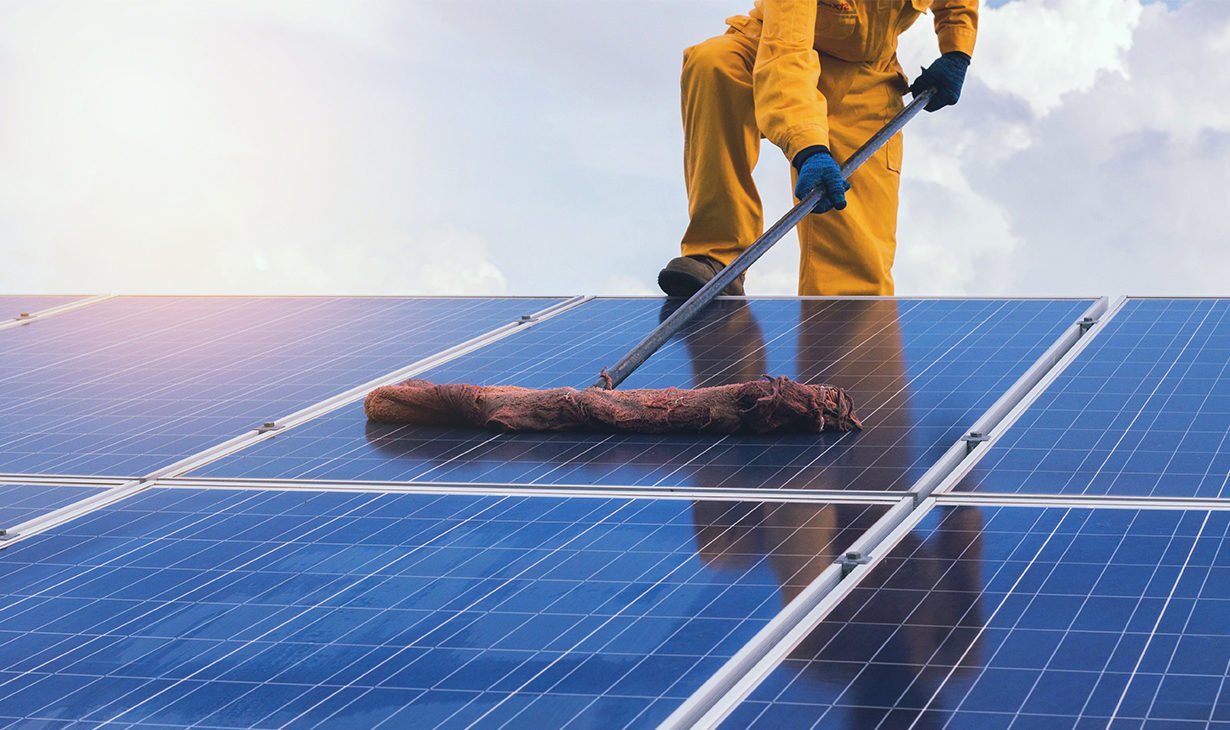
A high electricity bill can make household budgeting difficult, especially when energy prices change throughout the year. Solar panels offer a practical way to produce electricity at home and reduce dependence on utility power. However, installation is only part of the equation. Ongoing maintenance, including solar panel cleaning services, can help keep panels operating efficiently. With the right setup and care, homeowners can turn sunlight into meaningful long-term energy savings.
How Solar Panels Reduce Electricity Costs
Solar panels generate electricity by converting sunlight into usable electrical energy. When your system produces power during daylight hours, your home can use that electricity instead of purchasing the same amount from the utility company.
The amount you save depends on several factors, including your home’s energy consumption, system size, local electricity rates, available sunlight, and applicable utility policies. A household that uses substantial electricity during sunny hours may see greater direct benefits from its solar system.
Producing Your Own Electricity
Without solar panels, most homes depend entirely on electricity supplied by a utility company. Solar changes that arrangement by allowing homeowners to generate at least part of their own electricity.
For example, imagine a home that uses electricity for air conditioning, refrigeration, lighting, appliances, and electronics throughout the day. A properly sized solar system can supply some of that daytime demand, reducing the amount of electricity the household needs to purchase from the grid.
Reducing Grid Dependence
Solar power does not necessarily eliminate an electric bill. Instead, it can reduce the amount of grid electricity a household needs.
The actual reduction varies from one home to another. Homes with larger systems, favorable sunlight exposure, and suitable electricity rates may offset a greater portion of their consumption.
What Determines Your Solar Savings?
Installing panels does not automatically produce the same savings for every household. Several factors influence how much electricity a solar system can generate and how much that generation can reduce monthly costs.
| Factor | Effect on Energy Savings |
|---|---|
| Solar system size | Larger systems can generate more electricity |
| Roof orientation | Favorable orientation can improve sunlight exposure |
| Shading | Trees and nearby structures can reduce production |
| Local electricity rates | Higher utility rates can increase potential savings |
| Household consumption | Greater electricity use can create more opportunities for solar generation |
| Panel condition | Dirt and debris can interfere with light reaching the panels |
| Weather | Cloudy conditions can reduce daily production |
| System maintenance | Proper care helps support consistent performance |
Understanding these factors can help homeowners set realistic expectations instead of assuming that every solar installation will produce identical results.
Why Panel Cleanliness Matters
Solar panels need sunlight to generate electricity efficiently. When dust, pollen, bird droppings, leaves, and other debris accumulate on their surfaces, less sunlight may reach the photovoltaic cells.
The effect varies depending on the type and amount of buildup, local weather, panel angle, and environmental conditions. A light layer of dust may have a relatively small effect, while heavier contamination can create a more noticeable reduction in production.
This is where regular solar panel cleaning becomes part of responsible system maintenance.
Common Sources of Panel Dirt
Solar panels are exposed to outdoor conditions every day. Common contaminants include:
- Dust and dirt
- Pollen
- Bird droppings
- Leaves and small debris
- Airborne pollution
- Mud and rain residue
- Salt deposits in coastal areas
Some substances are naturally removed by rainfall, but rain does not always leave panels completely clean. In areas with limited rainfall or frequent dust, residue can remain on the glass for extended periods.
Cleaning Can Support Consistent Performance
Regular solar panel cleaning helps remove substances that block sunlight from reaching the photovoltaic surface. Keeping the panels reasonably clean can therefore support their ability to generate electricity.
However, cleaning should be approached carefully. Scrubbing panels with abrasive materials or using unsuitable chemicals may damage the surface, seals, or protective coatings.
When Should Solar Panels Be Cleaned?
There is no universal cleaning schedule that works for every solar installation. A home surrounded by trees may require different maintenance from a property in a dry, dusty environment.
Homeowners should consider local conditions rather than relying on a fixed calendar.
Signs Your Panels May Need Attention
Visible buildup is one obvious warning sign. Other indicators may include an unexpected decline in electricity production when sunlight and weather conditions remain relatively consistent.
Monitoring your system’s production data can be particularly useful. If output changes noticeably without an obvious explanation, checking the panels and other parts of the system may be worthwhile.
Seasonal Considerations
Different seasons can create different maintenance challenges. Spring may bring pollen, summer can increase dust accumulation, and autumn can leave leaves on or around panels.
After periods of heavy storms, homeowners should also look for visible debris. However, panels installed on difficult or elevated roofs should generally be handled by trained professionals rather than cleaned using unsafe ladders or equipment.
Choosing Professional Solar Panel Cleaning
For many homeowners, professional solar panel cleaning services can make maintenance safer and more convenient. Trained technicians can use appropriate tools and cleaning methods while reducing the risk of accidental damage.
Professional cleaning may be particularly useful for systems installed on steep roofs, multi-story homes, or properties where panels are difficult to access safely.
What Professional Cleaning Can Include
Depending on the provider and system, a professional service may involve:
- Inspecting the visible condition of the panels.
- Removing loose dirt and debris.
- Cleaning the panel surface with suitable equipment.
- Checking for obvious physical issues.
- Removing residue that ordinary rainfall may not eliminate.
- Reviewing the system area for potential maintenance concerns.
Cleaning companies should follow manufacturer recommendations and avoid aggressive techniques that could damage solar equipment.
How Clean Panels Can Help Protect Your Investment
Solar panels are designed to operate outdoors for many years, making maintenance an important part of ownership. Keeping the panels clean is not simply about appearance; it can also help maintain the conditions needed for efficient energy production.
A solar system represents a significant investment. Routine maintenance can help homeowners identify visible problems early and keep the installation in good working condition.
Cleaning Is Not the Same as Repair
It is important to distinguish cleaning from electrical or mechanical repairs. Dirt can be removed through appropriate maintenance, but a damaged panel, faulty inverter, loose connection, or wiring issue requires qualified technical attention.
If production drops significantly, cleaning alone may not solve the problem. A professional inspection may be necessary to determine the actual cause.
How Solar Savings Add Up Over Time
The biggest advantage of solar energy is often easier to understand over a longer period rather than by looking at one monthly bill.
Suppose a household consistently reduces the amount of electricity it purchases from the utility. Those monthly reductions can accumulate over the years. The total financial benefit depends on installation costs, financing, electricity rates, solar production, maintenance, incentives, and other factors.
Homeowners should therefore evaluate solar as a long-term energy strategy rather than expecting immediate financial results in every situation.
Lower Consumption Can Increase the Benefit
Solar works alongside energy efficiency. Using less electricity can reduce the size of the system needed to cover a household’s demand and can also make existing solar generation go further.
Simple changes can help, such as:
- Replacing inefficient lighting.
- Improving insulation.
- Using programmable or smart thermostats.
- Choosing efficient appliances.
- Reducing unnecessary standby electricity use.
- Running certain appliances during periods of strong solar production when practical.
Combining efficient energy use with proper solar panel cleaning can create a more effective overall maintenance strategy.
How Weather and Location Affect Solar Production
Sunlight availability varies considerably across the United States. A home in a sunny region may receive different solar production from a similar home in a location with more cloud cover or seasonal changes.
Weather does not mean solar panels stop working whenever the sky becomes cloudy. They can still generate electricity under diffuse sunlight, although production may be lower than during bright, direct sunshine.
Roof design, shading, local climate, and panel orientation also influence performance. These factors should be considered before installation and monitored afterward.
Practical Ways to Get More From Your Solar System
Homeowners can take several simple steps to support consistent solar performance.
Monitor Energy Production
Most modern solar systems provide production information through an inverter, monitoring platform, or mobile application. Checking this information occasionally can help homeowners recognize unusual changes.
A gradual change may be caused by seasonal sunlight differences, while a sudden unexplained decline deserves closer attention.
Keep the Surrounding Area Clear
Trees can create shade and falling debris. Keeping vegetation properly trimmed can help prevent unnecessary shading and reduce the amount of organic material reaching the panels.
Tree maintenance should be performed safely and in accordance with local requirements.
Schedule Maintenance Based on Conditions
Rather than cleaning simply because a certain number of months have passed, consider the actual condition of the panels and the environment around them.
Homes near construction areas, agricultural fields, highways, coastlines, or particularly dusty environments may experience faster buildup. In such cases, solar panel cleaning may deserve more frequent attention.
Avoid Common Solar Maintenance Mistakes
Trying to save money on maintenance can sometimes create additional problems. Homeowners should avoid climbing onto roofs without appropriate safety equipment or experience.
They should also avoid harsh household chemicals, abrasive brushes, pressure washing at inappropriate settings, and cleaning panels when they are extremely hot unless the equipment manufacturer specifically permits the method.
When access is difficult, hiring qualified solar panel cleaning services can be a safer choice.
Understanding the Difference Between Savings and Production
Solar production and financial savings are related but not identical. A panel can generate electricity without producing the same dollar value in savings every time.
Utility rates, billing structures, time-of-use pricing, export policies, and local rules can influence the financial value of solar generation.
Therefore, homeowners should examine their own utility bill and solar production information when estimating savings. A solar professional can also help explain how a proposed system is expected to interact with the local electricity market.
Building a Simple Solar Maintenance Routine
A practical maintenance routine does not need to be complicated. Homeowners can begin with a visual inspection from a safe location and monitor system production through the available monitoring platform.
A basic routine can include:
- Check visible panel surfaces periodically.
- Watch for unusual drops in energy production.
- Keep nearby vegetation under control.
- Inspect for obvious debris after severe weather.
- Arrange appropriate cleaning when buildup becomes noticeable.
- Follow the solar manufacturer’s maintenance recommendations.
- Contact qualified technicians when electrical or physical problems appear.
This approach helps separate ordinary cleaning needs from issues requiring technical service.
Why Regular Maintenance Supports Long-Term Value
Solar panels can provide energy for many years, but their performance depends on more than installation quality. Proper system design, suitable placement, routine monitoring, and appropriate maintenance all contribute to long-term operation.
Solar panel cleaning is one relatively straightforward maintenance task that homeowners can address as part of a broader care plan. When combined with energy-efficient habits and professional inspections when necessary, it can help homeowners get more consistent value from their investment.
Conclusion
Solar panels can lower monthly energy bills by allowing households to generate electricity from sunlight instead of purchasing all of their power from the grid. However, the amount saved depends on system size, sunlight, household consumption, utility rates, and local conditions. Maintenance also deserves attention because dirt and debris can interfere with sunlight reaching the panels. Regular solar panel cleaning can help maintain a clean generating surface, while professional solar panel cleaning services can make difficult or unsafe cleaning jobs more manageable. By monitoring production, maintaining the surrounding area, and following manufacturer guidance, homeowners can support reliable solar performance and make the most of their long-term energy investment.
FAQs
1. Can solar panels completely eliminate an electricity bill?
Not necessarily. Solar panels can substantially reduce grid electricity use, but the final bill depends on energy consumption, system production, utility policies, fixed charges, and other factors.
2. How often should solar panels be cleaned?
There is no single schedule for every property. Cleaning frequency depends on dust, pollen, pollution, bird activity, rainfall, nearby trees, and other environmental conditions.
3. Does rain clean solar panels?
Rain can remove some loose dirt and dust, but it may not eliminate bird droppings, oily residue, pollen, or mineral deposits. Some properties therefore require additional solar panel cleaning.
4. Can dirty solar panels increase energy costs?
If substantial dirt or debris reduces solar production, the home may need to purchase more electricity from the grid. The financial effect depends on how much production is lost and the property’s electricity rates.
5. Should homeowners clean solar panels themselves?
Homeowners can perform simple visual checks from a safe location, but roof access can present serious safety risks. For difficult installations, professional solar panel cleaning services may provide a safer and more appropriate solution.