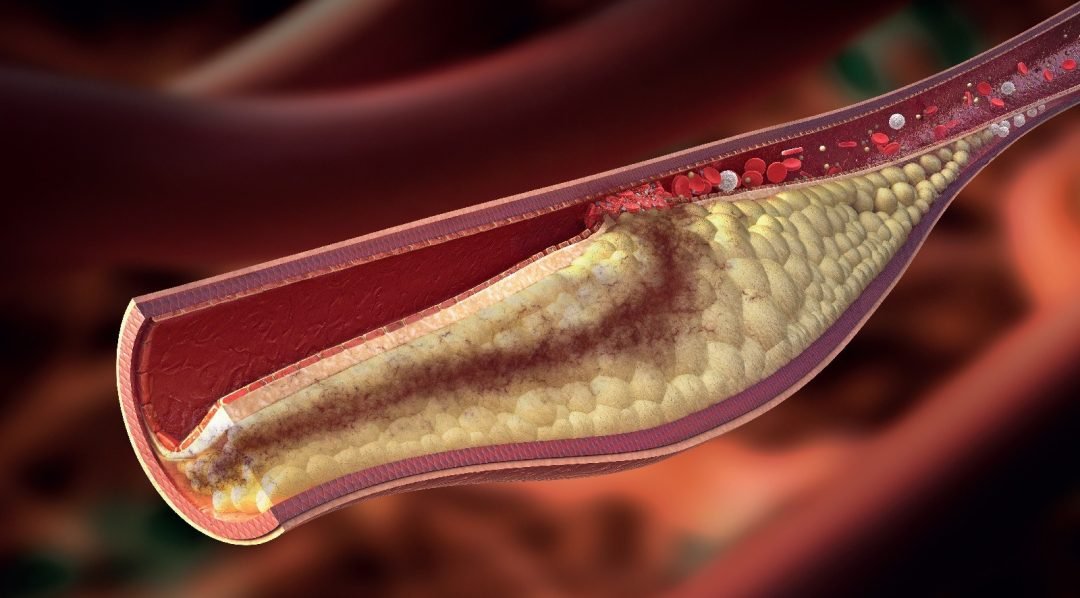
Cholesterol evaluation is an important part of many routine health assessments because cholesterol levels can provide useful information about cardiovascular health and metabolic function. A health assessment does not usually depend on a single cholesterol number. Instead, healthcare professionals consider a combination of laboratory results, medical history, lifestyle factors, existing health conditions, and other measurements to understand an individual’s overall profile.
For people seeking High cholesterolemia Dubai services, understanding how cholesterol is assessed can make the process easier and help patients know what to expect during a consultation. A healthcare professional may recommend blood testing and review the results alongside other relevant health information before discussing suitable management options.
What Is Cholesterol?
Cholesterol is a waxy, fat-like substance that the body needs for several important functions. It contributes to the structure of cell membranes and is involved in the production of certain hormones and vitamin D.
The body obtains cholesterol through its own production and, to a lesser extent, through dietary sources. Because cholesterol does not dissolve directly in the blood, it is transported through the bloodstream by particles called lipoproteins.
A cholesterol assessment therefore looks at different types of cholesterol and related blood measurements rather than treating cholesterol as a single substance.
Why Are Cholesterol Levels Checked During a Health Assessment?
A cholesterol test can form part of a routine health assessment, particularly when a healthcare professional wants to understand a person’s cardiovascular risk profile.
Testing may be considered when reviewing:
- General health and preventive care
- Family history of cholesterol problems
- Previous cholesterol results
- Dietary and lifestyle patterns
- Blood pressure measurements
- Blood glucose levels
- Weight and metabolic health
- Existing cardiovascular conditions
- Other medical conditions that may influence cholesterol
The purpose is not simply to determine whether one number is high or low. The results are interpreted in context to create a more complete picture of the person’s health.
What Does a Cholesterol Test Measure?
A standard lipid profile commonly includes several measurements. These provide different pieces of information about how fats are transported through the bloodstream.
Total Cholesterol
Total cholesterol represents the overall amount of cholesterol measured in the blood. Although it provides a useful starting point, it is not normally interpreted on its own.
Two individuals can have similar total cholesterol levels while having different levels of LDL and HDL cholesterol. This is why healthcare professionals generally review the complete lipid profile.
LDL Cholesterol
Low-density lipoprotein cholesterol, commonly referred to as LDL cholesterol, is often considered one of the key measurements when assessing cholesterol.
LDL transports cholesterol through the bloodstream. When levels are elevated, healthcare professionals may consider the result alongside other cardiovascular risk factors when determining whether further assessment or management is appropriate.
HDL Cholesterol
High-density lipoprotein cholesterol is commonly known as HDL cholesterol. It is involved in transporting cholesterol away from tissues and toward the liver.
HDL is therefore another important part of the lipid profile. However, healthcare professionals generally avoid interpreting HDL as an isolated measurement and instead consider the entire cardiovascular risk profile.
Triglycerides
Triglycerides are another type of fat found in the blood. They are different from cholesterol but are commonly measured as part of a lipid profile.
Triglyceride levels can be influenced by factors such as diet, alcohol intake, body weight, metabolic health, and some medical conditions. Reviewing triglycerides alongside cholesterol can provide additional information during a health assessment.
How Is Blood Collected for Cholesterol Testing?
Cholesterol testing generally involves a blood sample. Depending on the specific test and the healthcare professional’s instructions, the sample may be taken from a vein in the arm.
Whether fasting is required depends on the type of lipid testing being performed and the clinical circumstances. Some cholesterol assessments can be completed without fasting, while a healthcare professional may recommend fasting in particular situations.
Patients should follow the preparation instructions provided before their appointment so that the results can be interpreted appropriately.
How Are Cholesterol Results Interpreted?
Cholesterol results are interpreted by considering the individual measurements together rather than focusing on one isolated number.
A healthcare professional may review:
- Total cholesterol
- LDL cholesterol
- HDL cholesterol
- Triglycerides
- Non-HDL cholesterol
- Previous cholesterol measurements
- Blood pressure
- Blood glucose or diabetes status
- Age and general health
- Family medical history
- Smoking status
- Existing cardiovascular conditions
- Current medicines
This broader assessment helps determine what the cholesterol results mean for that particular person.
What Is Non-HDL Cholesterol?
Non-HDL cholesterol is another useful measurement that can be calculated from the lipid profile. It represents the cholesterol contained in several types of particles other than HDL.
Because it includes more than LDL cholesterol alone, non-HDL cholesterol can provide additional information when assessing lipid levels.
A healthcare professional may consider non-HDL cholesterol when reviewing a patient’s overall lipid profile, particularly when triglycerides are also being considered.
Why Is Medical History Important During Cholesterol Assessment?
Laboratory results are only one part of a cholesterol evaluation. Medical history can provide important context for interpreting those results.
During a consultation, a healthcare professional may ask about previous cholesterol tests, cardiovascular conditions, diabetes, blood pressure, kidney or liver conditions, and other relevant medical issues.
Family history can also be discussed. If close relatives have experienced cholesterol problems or cardiovascular disease, this information may be relevant when assessing an individual’s overall health profile.
How Do Lifestyle Factors Affect Cholesterol Assessment?
Lifestyle information can help healthcare professionals understand possible factors contributing to a person’s cholesterol profile.
The assessment may include questions about:
- Typical dietary habits
- Physical activity
- Body weight
- Smoking
- Alcohol consumption
- Sleep patterns
- General daily routines
For example, dietary patterns and physical activity can influence lipid levels. Reviewing these factors allows the healthcare professional to consider whether lifestyle changes may form part of an overall management plan.
Can Previous Cholesterol Results Be Compared?
Yes. Previous laboratory results can be useful because cholesterol assessment is not always about a single measurement.
Comparing current results with earlier tests may help a healthcare professional identify whether cholesterol levels have remained relatively consistent or changed over time.
A trend can sometimes provide more useful information than one isolated result. Patients attending a consultation may therefore benefit from providing previous blood test reports when available.
What Happens After the Cholesterol Test?
After laboratory testing, the results are generally reviewed alongside the information collected during the health assessment.
Depending on the findings, the healthcare professional may discuss lifestyle measures, recommend repeat testing, investigate other factors, or consider whether further medical assessment is appropriate.
The next step depends on the complete clinical picture rather than a single cholesterol value.
For patients researching High cholesterolemia Cost in Dubai, it is also important to understand that the overall cost of cholesterol-related care can vary depending on the consultation, laboratory investigations, follow-up appointments, and any additional assessments recommended by the healthcare professional.
How Often Should Cholesterol Be Checked?
There is no single testing schedule that applies to everyone. The appropriate frequency depends on factors such as age, previous cholesterol results, family history, existing medical conditions, medications, and overall cardiovascular risk.
Some people may have cholesterol included in routine health assessments, while others may require more regular monitoring based on their individual circumstances.
A healthcare professional can recommend an appropriate testing interval after reviewing the patient’s medical history and previous results.
Why Is a Complete Health Assessment Useful?
Cholesterol does not exist in isolation. A complete health assessment allows healthcare professionals to consider cholesterol alongside other measurable aspects of health.
For example, blood pressure, blood glucose, body weight, family history, and lifestyle factors may all contribute to the overall assessment. Looking at these elements together can provide a more meaningful understanding than relying on total cholesterol alone.
This approach can also help identify areas that may benefit from further monitoring or preventive healthcare.
Preparing for a Cholesterol Assessment
Patients can make their appointment more productive by bringing relevant medical information. This may include previous blood test results, a list of current medications, details of existing medical conditions, and information about relevant family history.
If fasting is required, the healthcare professional or laboratory should provide specific instructions beforehand. Patients should follow those instructions rather than making assumptions about fasting requirements.
Keeping track of previous cholesterol results can also make it easier to compare measurements over time.
Understanding Your Cholesterol Results
Receiving a laboratory report does not always mean that every result is immediately understandable. Cholesterol testing can include several measurements, each with a different role.
A healthcare professional can explain what the individual values mean, how they compare with previous results, and how they relate to other aspects of the person’s health.
This is particularly useful when several measurements appear within the same report because the overall interpretation may depend on the relationship between them.
Conclusion
Cholesterol evaluation during a health assessment involves more than checking total cholesterol. A lipid profile may include LDL cholesterol, HDL cholesterol, triglycerides, and other measurements, while the healthcare professional also considers medical history, family history, lifestyle factors, blood pressure, glucose levels, and previous results.
For individuals looking for High cholesterolemia Dubai services, understanding this process can help them prepare for a consultation and understand why several pieces of information may be reviewed before a healthcare professional discusses the next steps. Regular assessment can also make it easier to monitor changes in cholesterol levels over time and maintain a broader approach to preventive health.
FAQs
What is included in a cholesterol assessment?
A cholesterol assessment commonly includes a lipid profile measuring total cholesterol, LDL cholesterol, HDL cholesterol, and triglycerides. Other health information may also be reviewed.
Is a fasting blood test always required for cholesterol testing?
Not always. Whether fasting is required depends on the type of testing and the individual’s clinical circumstances. Patients should follow the preparation instructions provided by their healthcare professional or laboratory.
Why is LDL cholesterol measured?
LDL cholesterol is an important part of the lipid profile and is considered alongside other measurements and cardiovascular risk factors when assessing cholesterol-related health.
What does HDL cholesterol indicate?
HDL cholesterol is involved in transporting cholesterol through the bloodstream toward the liver. It is interpreted as part of the overall lipid profile rather than as an isolated measurement.
Are triglycerides part of a cholesterol test?
Yes. Triglycerides are commonly included in a standard lipid profile, although they are a type of fat rather than cholesterol.
Can previous cholesterol tests help during an assessment?
Yes. Previous results can help healthcare professionals identify changes and trends in cholesterol levels over time.
Can lifestyle affect cholesterol levels?
Yes. Factors such as diet, physical activity, body weight, smoking, and alcohol consumption can influence lipid levels and may therefore be discussed during a health assessment.
How often should cholesterol be checked?
The appropriate testing interval varies between individuals. It can depend on previous results, age, family history, existing medical conditions, medications, and overall cardiovascular risk.
What should I bring to a cholesterol consultation?
Previous blood test reports, a current medication list, relevant medical history, and information about family history can all be useful during the assessment.
What happens if cholesterol levels are outside the expected range?
The healthcare professional will consider the results in the context of the person’s overall health. They may recommend lifestyle measures, repeat testing, further assessment, or other appropriate management depending on the individual circumstances.