Introduction
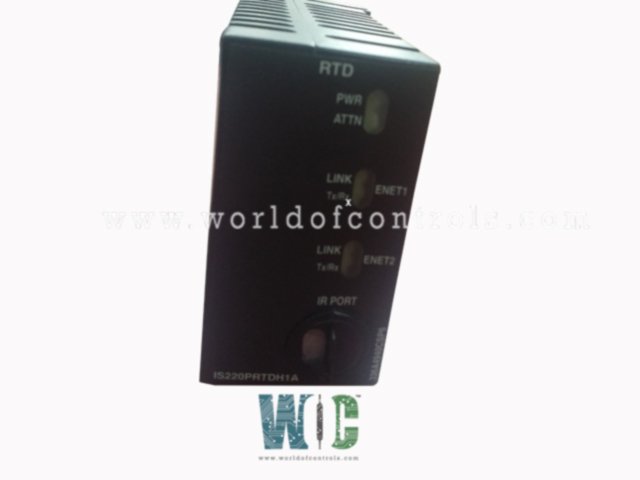
In the turbine industry, reliable control and protection systems are essential to maintain safety, efficiency, and operational integrity. One of the key components supporting these systems is the Protection Input/Output (I/O) Module used in conjunction with the GE Mark VIe control platform. This article explores the importance, features, and functionality of this Protection I/O Module within turbine control and protection frameworks.
Overview of the GE Mark VIe Control System
The GE Mark VIe is a state-of-the-art control system widely deployed in gas and steam turbine operations across the power generation sector. It integrates control, protection, and monitoring functions to optimize turbine performance and safeguard equipment.
- Modular Architecture: The system’s modular design includes various input/output modules, protection modules, and control units, offering scalable and flexible turbine management.
- Advanced Protection: Mark VIe provides rapid detection and response to turbine faults, reducing downtime and preventing damage.
What is the Protection I/O Module?
The Protection I/O Module is a critical element within the Mark VIe system, serving as the interface between the turbine’s physical sensors and the control logic.
Core Functions
- Protection: Detects abnormal operating conditions and triggers protective actions.
- Signal Interface: Manages inputs from sensors and outputs control signals to actuators and relays.
- Data Communication: Facilitates real-time data exchange with the control system for monitoring and control decisions.
Role in Turbine Protection
Operating turbines face risks such as overspeed, overheating, and vibration anomalies. The Protection I/O Module ensures:
- Continuous Monitoring: Collects and processes sensor data related to key turbine parameters.
- Fault Identification: Quickly detects abnormal conditions to prevent catastrophic failure.
- Automated Protection: Initiates turbine shutdown or alerts to mitigate damage.
- Enhanced System Reliability: Helps maintain turbine availability and operational continuity.
Key Technical Features
While specifications can vary, typical features of the Protection I/O Module include:
- Multiple Signal Inputs: Supports both analog and digital inputs for diverse sensor types.
- Robust Processing: Capable of fast data acquisition and fault response.
- Rugged Construction: Designed to operate reliably under harsh environmental conditions typical in turbine installations.
- Protocol Compatibility: Integrates smoothly with the Mark VIe system’s communication protocols.
- Redundancy and Diagnostics: Supports redundancy options and includes self-checking diagnostics to ensure continuous operation.
Benefits to Turbine Operation
- Safety Enhancement: Protects both equipment and personnel by responding swiftly to dangerous conditions.
- Optimized Performance: Accurate and timely data allow for improved turbine control strategies.
- Reduced Unplanned Downtime: Early fault detection enables proactive maintenance.
- Scalable Integration: Fits into existing turbine control setups and adapts to system upgrades.
Installation and Maintenance Best Practices
To maximize the module’s effectiveness:
- Professional Installation: Follow manufacturer guidelines for wiring, grounding, and mounting.
- Regular Calibration: Sensors linked to the module require periodic calibration to ensure accurate readings.
- Firmware Updates: Keep firmware current to maintain compatibility and leverage new features.
- Routine Diagnostics: Utilize built-in diagnostic tools to identify potential internal faults early.
Conclusion
The Protection I/O Module within the GE Mark VIe system plays an indispensable role in turbine control and protection. By ensuring rapid fault detection and reliable interface management between sensors and the control system, it supports safer and more efficient turbine operation. For power generation facilities, such modules are critical for maintaining operational reliability and extending turbine lifespan.