Layering jewelry can make an ordinary outfit feel more personal, but adding several pieces does not always create a better result. Bracelets may compete with a watch, necklaces can become tangled, and different materials may look disconnected when worn together. A more useful approach is to build combinations around one piece you already enjoy.
Black obsidian jewelry can work well in layered outfits because its dark, polished appearance offers a consistent visual starting point. The material can complement metal, wood, and other decorative elements. However, successful layering depends on proportion, comfort, and the way individual accessories interact during daily activities.
Begin with one piece you already wear
Start with the bracelet or necklace you reach for most often. An accessory that already feels comfortable provides a reliable foundation for experimenting with additional jewelry. You can then introduce other pieces without completely changing your usual style.
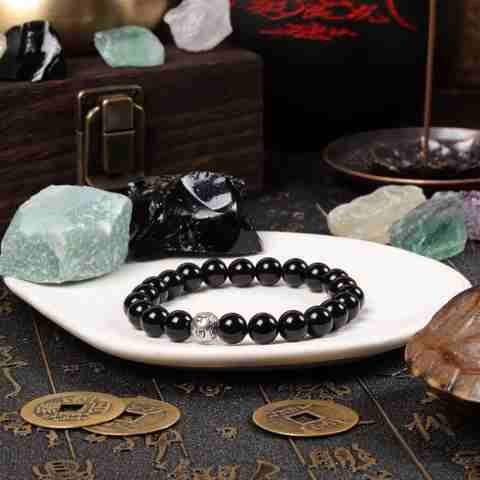
If you regularly wear a black bead bracelet, try combining it with a simple watch. Notice whether the materials complement each other and whether the bracelet remains comfortable throughout the day. You may find that this combination provides enough visual interest without adding anything else.
The same approach works with necklaces. Begin with a familiar pendant and consider whether a second chain improves the overall appearance. If the arrangement feels crowded, return to the simpler combination.
Use different lengths to separate necklaces
Necklace layering works best when each piece has enough space to remain visible. Two chains of almost identical length can overlap, particularly when one includes a pendant. This can make the jewelry appear tangled even before you begin moving.
Choose lengths that create a noticeable difference between the pieces. A shorter plain chain can sit above a longer obsidian pendant. The space between them helps distinguish each design.
Consider the neckline of your clothing as well. A combination that looks balanced with an open collar may become hidden beneath a high-necked shirt. Try the complete outfit before deciding whether the arrangement works.
Keep bracelet combinations comfortable
Bracelet layering creates a different challenge because the pieces move together around the wrist. Beads may rub against metal components, and several bracelets can become uncomfortable beneath a fitted sleeve. The number of pieces matters less than how they behave when worn.
Start with two accessories rather than filling the entire wrist. A polished obsidian bracelet beside a simple metal watch can create contrast without excessive bulk. Alternatively, a smaller bracelet made from another material may provide enough variation.
Move your wrist as you normally would throughout the day. Type, reach for objects, and adjust your sleeves. If the pieces repeatedly collide or interfere with movement, reconsider the combination.
Choose materials that complement each other
Different materials can introduce texture and visual interest. Polished obsidian has a smooth, glassy appearance, while wood often provides a warmer finish. Metal accessories can contribute sharper reflections and more defined shapes.
These differences can work well together, but they should be considered carefully. A large metal charm may contact neighboring obsidian beads during movement. Repeated contact can create unnecessary wear or increase the risk of damage.
Compare the size and finish of each component before combining pieces. Smaller metal details may provide contrast without overwhelming the darker material. A simple arrangement is often easier to maintain.
Make symbolic details part of the design
Some people choose jewelry because of its cultural associations or personal symbolism. A bracelet may represent an important memory, while a pendant may feature imagery connected with a particular tradition. These meanings can influence how pieces are combined.
People interested in Taoist Talismans may also enjoy learning about black obsidian’s geological background and its place in contemporary symbolic jewelry. Understanding the difference between material properties and cultural interpretation can make these accessories more interesting to wear.
If one piece has particular significance, consider allowing it to remain the main focus. Additional jewelry can provide visual balance without introducing several unrelated motifs. This approach also makes the meaningful element easier to recognize.
Build combinations around clothing colours
Clothing provides the background against which layered jewelry appears. A dark necklace may become highly visible over a white shirt but blend into a black sweater. Neither effect is automatically preferable.
Consider the contrast you want to create. Light clothing can highlight the outline of an obsidian pendant. Darker clothing may allow metal chains or contrasting beads to become more noticeable.
Patterns introduce another consideration. Detailed clothing can compete with elaborate jewelry arrangements. When wearing bold prints, you may prefer fewer accessories or simpler shapes.
Try comparing combinations in natural light. This can reveal differences in texture and reflection that are less obvious indoors.
Pay attention to size and visual balance
Large accessories can become the dominant feature of an outfit. This may be intentional, but several oversized pieces can compete for attention. Consider using one substantial item alongside smaller accessories.
For example, a bracelet with large obsidian beads may work better beside a narrow watch strap than another bulky bracelet. A carved pendant can remain prominent when layered with a plain chain.
Check the actual measurements rather than relying on photographs. Bead diameter, pendant dimensions, and chain thickness all affect proportion.
Compare these details with jewelry you already own. Familiar measurements make it easier to predict how a new piece will look.
Consider the demands of everyday activities
A layered arrangement that looks attractive while standing still may behave differently during normal activities. Necklaces can overlap when bending forward, and bracelets may contact desks or equipment.
Think about how much movement your day involves. Someone who works at a computer may prefer fewer wrist accessories. A person frequently carrying bags may find that long necklaces interfere with straps.
Try wearing a new combination at home before using it during a full working day. This allows you to notice discomfort without worrying about adjusting jewelry in public.
Remove pieces when activities create a risk of impact or snagging. Layering should remain convenient rather than requiring constant attention.
Avoid unnecessary friction between pieces
Obsidian is natural volcanic glass and can chip when struck. Its polished appearance should not be confused with resistance to every type of wear. Jewelry containing hard metal components deserves particular attention.
When layering bracelets, observe whether neighboring pieces repeatedly knock together. Small movements may seem harmless, but unnecessary contact is worth reducing.
For necklaces, check whether pendants overlap or strike one another. Choosing different lengths can help separate decorative components.
If a combination causes frequent contact, consider wearing the pieces individually. Preserving the jewelry is more useful than maintaining a particular layered appearance.
Store layered jewelry separately after wearing
Layering jewelry does not mean the pieces should remain together in storage. Chains can become tangled when placed in the same compartment. Beads and metal fittings may also rub against neighboring accessories.
Remove each piece carefully and return it to a suitable storage location. A divided jewelry case or separate soft pouches can help prevent unnecessary contact.
Inspect connections while putting the pieces away. Check whether clasps, cords, or pendant attachments have loosened during wear.
Keeping a consistent storage routine also makes it easier to recreate favourite combinations. You can find the individual accessories without untangling them first.
Develop combinations that feel natural
The most successful layered jewelry combinations often develop through experimentation. You may discover that two necklaces work better than three or that one bracelet feels more comfortable beside a watch.
Notice which arrangements you enjoy wearing throughout an ordinary day. A combination that requires repeated adjustment may not suit your routine, even if it looks attractive in photographs.
There is no need to follow a fixed number of pieces or imitate every fashion trend. Choose proportions, materials, and colours that feel comfortable.
Black obsidian can provide a useful foundation because of its versatile dark appearance. Thoughtful layering allows you to introduce variety while keeping the overall look balanced and easy to wear.