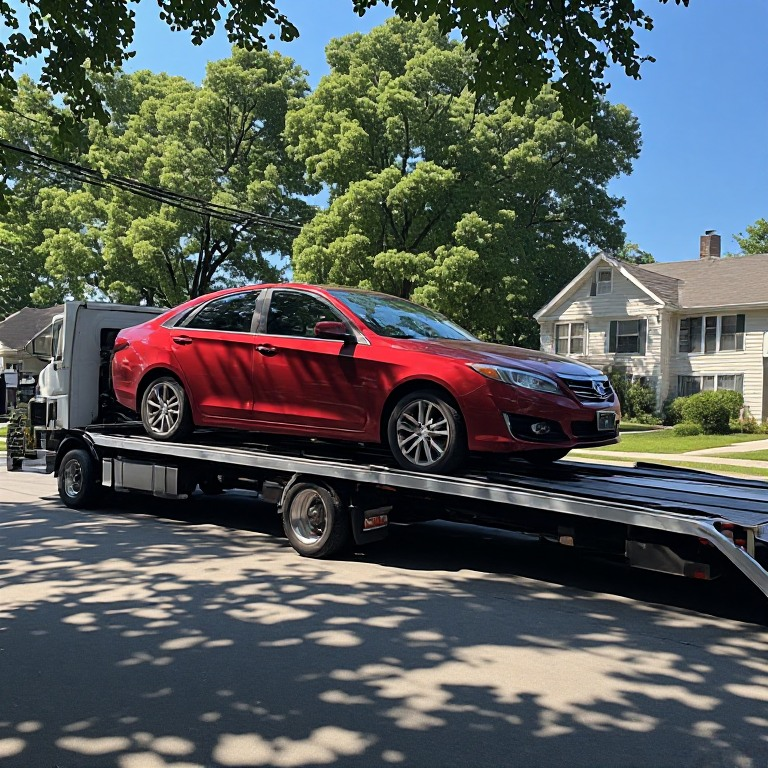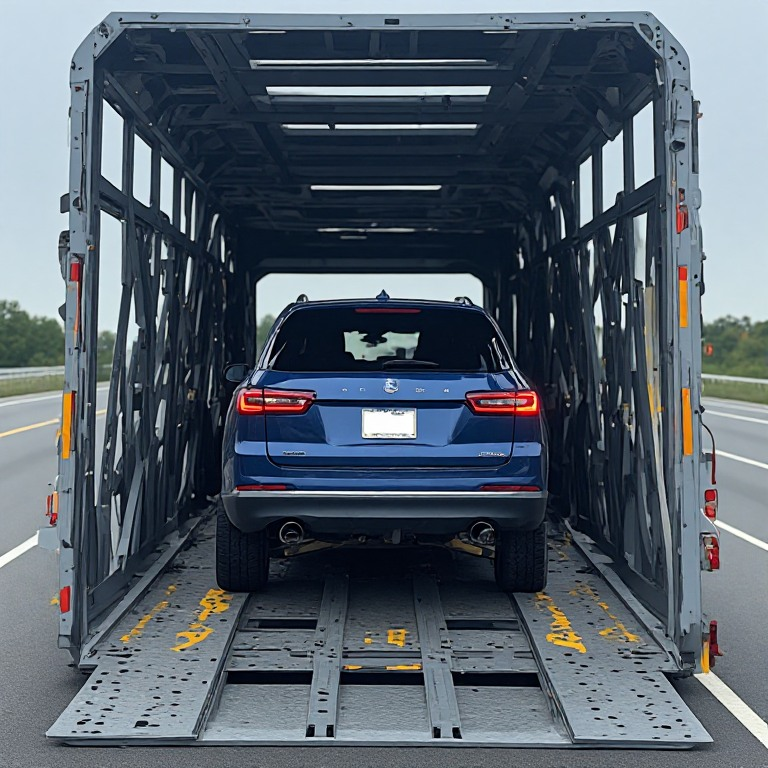
When people ask what is the cheapest way to ship a car, they are usually looking for more than the lowest number on a quote. They want to know how to move their vehicle across the USA without paying for services they do not need.
The final cost of auto transport depends on the route, vehicle, carrier type, timing, pickup location, and delivery requirements. A little planning can help identify where savings are possible without turning the shipment into a stressful experience.
For customers considering Rapid Auto Shipping, comparing these variables is a useful starting point before requesting a transportation quote.
The Route Often Sets the Starting Point
Two vehicles that look identical can have different shipping prices simply because they are traveling along different routes.
Major interstate corridors generally have more vehicle transport activity. A carrier already traveling between busy metropolitan areas may have an easier time coordinating pickup and delivery than one traveling to a remote location with limited transport traffic.
For example, shipping a sedan between major cities may be more straightforward than transporting the same sedan to a rural address several miles away from the nearest major highway.
Distance matters, but mileage alone does not determine the entire price.
Route popularity, fuel expenses, carrier availability, seasonal demand, and pickup accessibility can all influence the quote.
Open Transport Usually Makes Sense for Everyday Vehicles
If budget is the primary concern, the type of carrier deserves attention.
Open auto transport is the standard choice for many everyday vehicles. Cars are loaded onto an open trailer alongside other vehicles, allowing transportation costs to be distributed across multiple shipments.
This makes open transport a practical option for:
- Sedans
- SUVs
- Pickup trucks
- Crossovers
- Standard used vehicles
- Most daily-driver cars
Enclosed transport provides a covered trailer and is often selected for classic, exotic, luxury, collectible, or high-value vehicles. While it offers additional protection from normal road exposure, it may cost more than open transport.
So when comparing what is the cheapest way to ship a car, open transport is often one of the first options worth considering if the vehicle does not require enclosed protection.
Flexibility Can Work in Your Favor
A rigid pickup deadline can make vehicle transportation more complicated.
If you need the car collected on one exact day regardless of carrier availability, fewer scheduling options may be available. Giving the transporter a reasonable pickup window can provide greater flexibility when coordinating the shipment.
This does not mean customers should accept an indefinite delivery schedule. Instead, it means communicating a realistic timeframe.
For example, someone moving across the country may be able to provide several possible pickup dates rather than requiring transportation on a single specific morning.
That small amount of flexibility can make route planning easier.
Look at the Whole Quote, Not Just the Headline Price
A low quote can look attractive until you discover that important details were misunderstood.
Before choosing a transport option, check what the quoted price is based on.
| Cost Factor | What to Check |
| Route | Exact pickup and delivery locations |
| Vehicle | Year, make, model, size, and condition |
| Carrier | Open or enclosed transport |
| Pickup | Residential, dealership, auction, or other location |
| Delivery | Door-to-door availability and access |
| Timing | Preferred pickup dates and flexibility |
| Vehicle condition | Whether it runs and can be loaded normally |
For instance, a non-running vehicle may require additional equipment during loading. Likewise, a large pickup truck may occupy more carrier space than a compact sedan.
Providing accurate information from the beginning helps produce a quote that better reflects the actual shipment.
Don’t Automatically Choose the Shortest Route
A direct route may seem like the obvious way to reduce cost, but auto carriers plan routes based on their overall transportation network.
A carrier may combine several vehicle pickups and deliveries along the same corridor. As a result, the practical transportation route may not look exactly like the route shown on a consumer mapping application.
This is one reason professional vehicle transport differs from simply calculating fuel costs for a personal road trip.
The carrier has to account for equipment, driver travel, other vehicles, loading requirements, and the logistics of the entire route.
Location Can Change the Equation
Pickup and delivery accessibility can have a noticeable effect on transportation planning.
A vehicle located near a major highway or metropolitan area may be relatively straightforward for a large carrier to reach. A remote property with narrow roads or restricted truck access may require a meeting point nearby.
Door-to-door service does not necessarily mean a large carrier can drive directly onto every residential street.
If access is limited, the transporter may coordinate a safe and accessible location close to the requested address.
Providing accurate addresses before booking allows the transportation company to identify potential access issues early.
Seasonal Timing Matters Too
Vehicle shipping demand can change during the year.
Snowbird migration, college moves, holidays, severe winter weather, and other seasonal events can influence carrier availability on particular routes.
If your schedule allows, planning ahead can give you more choices than waiting until the last possible moment.
This is particularly relevant for long-distance moves involving popular winter and summer migration routes.
Rather than searching only for the lowest possible price at the last minute, consider the overall cost and convenience of arranging transportation with enough lead time.
How Rapid Auto Shipping Can Help
Rapid Auto Shipping provides vehicle transportation throughout all 50 states, with open and enclosed transport options available for different types of vehicles.
Customers can request a free instant quote based on their particular route and vehicle. The company also provides door-to-door service, real-time updates, and fully insured transportation.
For someone comparing what is the cheapest way to ship a car, the useful approach is not simply asking for the lowest available number. It is providing accurate shipment details and then comparing the transportation options that actually fit the vehicle and route.
A budget-conscious customer may find that open transport, flexible scheduling, accessible pickup and delivery locations, and advance planning provide a practical combination.
A Simple Budget Check Before Booking
Before committing to a shipment, run through these points:
Route: Is the pickup and delivery information accurate?
Vehicle: Have you provided the correct size and operating condition?
Carrier: Does open transport meet your needs?
Schedule: Can your pickup window be flexible?
Access: Can a large carrier safely reach both locations?
Quote: Does the price reflect the complete transportation arrangement?
Answering these questions can prevent surprises and make the comparison between carriers more meaningful.
FAQs
1. What is the cheapest way to ship a car?
For many standard vehicle shipments, open auto transport is generally a cost-conscious option. The actual price still depends on the route, vehicle, timing, accessibility, and current carrier availability.
2. Is open transport cheaper than enclosed transport?
Open transport is commonly less expensive than enclosed transportation because multiple vehicles can share an open carrier. Enclosed transport provides additional protection and is often selected for higher-value vehicles.
3. Does shipping distance affect the price?
Yes. Distance is an important pricing factor, but it is not the only one. Route demand, vehicle size, fuel costs, timing, and pickup and delivery locations can also affect the final quote.
4. Can flexible pickup dates help with auto shipping costs?
Flexibility can provide more opportunities for a carrier to coordinate your vehicle with an existing route. It does not guarantee a lower price, but it can make scheduling easier.
5. Is door-to-door car shipping the cheapest option?
Door-to-door transportation can be convenient, but the price depends on the route and accessibility of the addresses. If a large carrier cannot safely reach a specific location, a nearby meeting point may be required.
6. How can I get an affordable car shipping quote?
Provide accurate vehicle and route information, compare the available transport methods, and consider your timing. Rapid Auto Shipping can provide a free instant quote based on your shipment details.