Walk into any busy manufacturing unit, power plant, or construction site, and you’ll notice one thing fast — it’s loud. Machines hum, compressors roar, and metal clangs against metal all day long. That’s exactly where Metallic Noise Barriers step in, quietly (pun intended) solving a problem most facilities ignore until it becomes a legal or health issue.
What Exactly Are Metallic Noise Barriers?
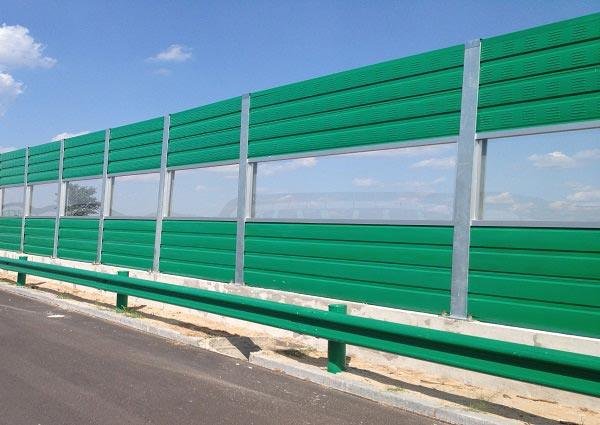
Metallic Noise Barriers are engineered acoustic panels made from galvanized steel or aluminum sheets, layered with sound-absorbing cores like mineral wool or rock wool. Unlike basic sheet metal walls, these barriers are purpose-built to block, absorb, and redirect sound waves. They’re not just a physical wall — they’re a calculated acoustic solution.
Think of them as armor for your workspace. They stand between the noise source and the people (or neighborhoods) affected by it, cutting decibel levels down to safer, compliant ranges.
Why Industries Are Switching to Metallic Noise Barriers
A few years ago, concrete walls and basic enclosures were the go-to. Now, more industries are choosing Metallic Noise Barriers, and honestly, it makes sense once you look at the reasons:
- Durability: Metal doesn’t crack, rot, or weather down the way wood or cheap composites do.
- Weather resistance: Rain, humidity, extreme heat — these barriers hold up outdoors for years.
- Lightweight yet strong: Easier to install and transport compared to concrete alternatives.
- Fire resistance: A major plus for industrial zones where fire safety codes are strict.
- Customizable acoustic ratings: Depending on the core material, you can get an STC rating tailored to your exact noise problem.
Ecotone Systems has seen this shift firsthand, working with clients who initially assumed a basic wall would do the job — until they realized decibel levels barely dropped.
Where Are They Actually Used?
You’ll find Metallic Noise Barriers doing heavy lifting in places like:
- Power plants and substations (transformer hum is no joke)
- DG set and generator rooms
- Compressor and pump houses
- Construction sites near residential zones
- Highways and railway corridors
- Manufacturing units with heavy machinery
Basically, anywhere there’s a consistent, high-decibel noise source and people nearby who shouldn’t have to deal with it.
What Makes a Good Metallic Noise Barrier?
Not all barriers are created equal. A poorly designed one might look like it’s doing the job while barely reducing sound. Here’s what separates a genuinely effective barrier from a mediocre one:
- Core material density — higher density cores absorb more sound energy.
- Panel thickness — thicker isn’t always better, but there’s a sweet spot for each application.
- Sealing and joints — sound leaks through gaps faster than you’d think, so tight sealing matters.
- Surface coating — anti-corrosive coatings extend the barrier’s working life significantly.
This is where working with an experienced manufacturer matters. Ecotone Systems designs each barrier based on the actual noise profile of the site, not a one-size-fits-all template pulled off a shelf.
Installation: What to Expect
Installing Metallic Noise Barriers isn’t a weekend DIY project. It usually involves:
- A site noise assessment (measuring current dB levels)
- Structural planning based on wind load and space constraints
- Custom fabrication of panels
- On-site assembly with proper acoustic sealing
Teams like Ecotone Systems typically handle this end-to-end, from the initial noise audit to final installation, so facility owners aren’t left guessing whether the barrier will actually perform.
The Real ROI of Investing in Noise Control
Beyond compliance with pollution control board norms, there’s a human angle here. Workers exposed to constant high noise levels face long-term hearing damage, fatigue, and reduced concentration. Neighboring communities file complaints, which can snowball into legal trouble for the facility.
A well-installed Metallic Noise Barrier isn’t just a compliance checkbox — it’s a long-term investment in worker health, community relations, and operational peace of mind.
Final Thoughts
Noise problems rarely fix themselves, and cheap fixes usually cost more down the line in re-work or fines. If your facility is dealing with persistent noise issues, it’s worth getting a proper acoustic assessment done rather than guessing at solutions.
Ecotone Systems has been building customized Metallic Noise Barriers for industrial clients across sectors, and if noise control is on your radar, getting the design right from day one saves a lot of headaches later.