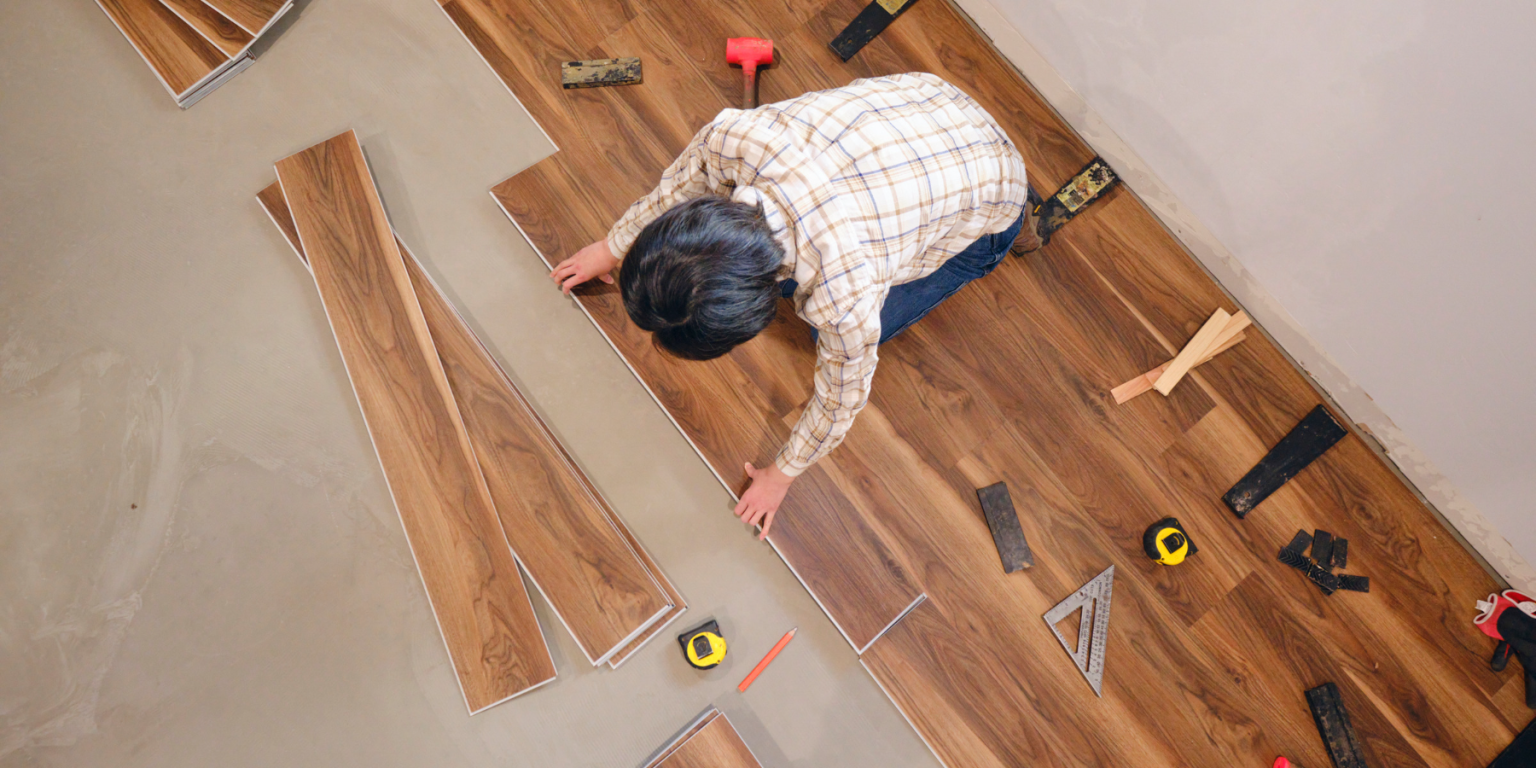
Wood floor installation is one of the most effective ways to enhance the look and value of any home. It offers durability, timeless appeal, and a natural aesthetic that fits both traditional and modern interiors. Whether you are renovating an old space or building a new one, installing wood flooring can transform the entire atmosphere of your home.
Benefits of Wood Floor Installation
Wood flooring is known for its long-lasting quality. When properly installed and maintained, it can last for decades. It is also easy to clean compared to other flooring types, making it a practical choice for busy households. Unlike some surfaces, wood floors do not trap dust, allergens, or odors, which contributes to a healthier indoor environment.
Another advantage is versatility. Wood flooring comes in various styles, finishes, and colors. This allows homeowners to match their floors with their interior design preferences. From light oak to dark walnut, the choices are extensive.
Types of Wood Flooring
Before starting the installation process, it is important to understand the different types of wood flooring available.
Solid hardwood is made from a single piece of wood. It is durable and can be refinished multiple times. Engineered wood, on the other hand, is made of layers. It is more resistant to moisture and temperature changes, making it suitable for areas like basements.
Choosing the right type depends on your budget, location, and lifestyle needs.
Preparation Before Installation
Proper preparation is key to a successful installation. The subfloor must be clean, dry, and level. Any uneven surface can lead to issues later. It is also important to allow the wood to acclimate to the room’s temperature and humidity. This prevents expansion or contraction after installation.
Measuring the space accurately helps reduce waste and ensures a smooth workflow. Planning the layout of the planks is also important for achieving a balanced look.
Installation Process
Wood floor installation can be done using different methods such as nail-down, glue-down, or floating installation. The method depends on the type of wood and the subfloor.
The process begins with laying a moisture barrier if needed. Then, the planks are installed row by row. Spacers are used along the edges to allow for natural expansion. Precision is important to ensure that each plank fits tightly and evenly.
Once the flooring is installed, trimming and finishing touches are added. This includes installing baseboards or moldings to give the floor a polished appearance.
Maintenance Tips
Maintaining wood flooring is simple but important. Regular sweeping or vacuuming helps remove dirt and debris. Avoid using excessive water when cleaning, as moisture can damage the wood.
Using protective pads under furniture can prevent scratches. Refinishing the floor after a few years can restore its original shine and extend its lifespan.
Comparing with Other Flooring Options
While wood flooring is a popular choice, some homeowners also consider alternatives like tiles or carpets. For example, a Carpet installation service may be preferred in bedrooms for added comfort and warmth. However, wood flooring offers a more elegant and long-term solution for living areas and hallways.
In some cases, homeowners combine both options. They may use wood flooring in main areas and rely on a Carpet installation service for cozy spaces. This combination provides both style and comfort.
Conclusion
Wood floor installation is a smart investment for any homeowner. It enhances beauty, increases property value, and provides long-term durability. With proper planning, the right materials, and regular maintenance, wood flooring can remain a centerpiece of your home for years. Whether you choose it alone or pair it with options like a Carpet installation service, it offers flexibility and timeless appeal.