
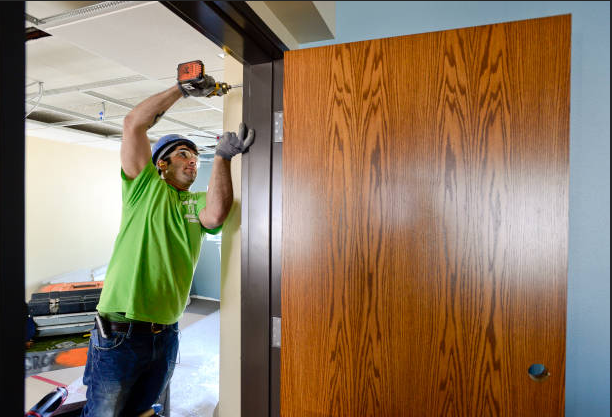
A well-installed wood door does more than complete an opening. It improves curb appeal, enhances security, and adds a timeless touch that many other materials simply cannot match.
Whether it welcomes guests at the front entrance or creates privacy indoors, a wood door is an investment in both function and style. Understanding what goes into a successful wood door installation can help ensure your door looks great, performs smoothly, and stands the test of time.
Key Takeaways
- Proper measuring prevents most door fitting problems.
- Wood movement must be considered before and after installation.
- All six sides of the door should be sealed.
- Strong fasteners and correct shimming help prevent sagging.
- Exterior wood doors need proper weatherproofing.
- Final testing helps catch small issues before they become costly repairs.
Wood Door Installation Mistakes Most Often and How to Avoid Them
- Measuring the Rough Opening Incorrectly
Accurate measurements are essential before wood door installation begins. Contractors should check height, width, depth, and floor level at multiple points to ensure a proper fit. Since custom and solid wood doors are often delivered through a residential freight service, confirming measurements before ordering can help avoid costly returns, replacement orders, and project delays.
How to Avoid It
Measure the opening at several points rather than relying on a single measurement. Check the width, height, jamb depth, and floor level. Compare the rough opening with the door manufacturer’s requirements before ordering or installing the unit.
- Ignoring Square, Level, and Plumb
A wood door will not perform well if the opening is uneven. During addition construction, framing can shift slightly, creating gaps or latch problems. Installers should confirm that the jamb is square, level, and plumb before permanently fastening the frame.
How to Avoid It
Use a level, square, and diagonal measurements before securing the frame. Adjust with proper shims until the reveal is even. Do not fully fasten the jamb until the door swings, closes, and latches correctly.
- Not Accounting for Wood Movement
Wood naturally expands and contracts with changes in humidity and temperature. Contractors offering custom home services should allow the door to acclimate before installation. Proper clearance helps prevent seasonal sticking, swelling, shrinking, and long-term warping after the project is complete.
How to Avoid It
Store the door in the installation environment before hanging it. Keep it away from direct moisture, extreme heat, or unfinished jobsite conditions. Leave proper clearance and seal the door correctly to reduce movement after installation.
- Failing to Seal or Finish the Door Properly
Wood is a natural material, which means it reacts to moisture, humidity, and temperature changes. When a door is left unfinished or only finished on the visible sides, it can absorb moisture unevenly. Over time, this may lead to swelling, cracking, warping, or peeling finishes. The most vulnerable areas are often the top, bottom, hinge mortises, lock cutouts, and trimmed edges because they are easy to overlook.
How to Avoid It
Seal the front, back, top, bottom, and side edges before final installation. Follow the manufacturer’s finishing instructions closely. Pay special attention to cutouts, hinge mortises, and trimmed edges because these areas absorb moisture quickly.
- Using the Wrong Fasteners or Poor Shim Placement
Heavy wood doors place constant stress on the frame, hinges, and surrounding structure. If the wrong screws, weak anchors, or poor shim placement are used, the door may begin to sag, rub, or shift out of alignment. This can also create uneven gaps and make the latch harder to operate after wood door installation. In many cases, the problem does not show up right away but becomes noticeable after regular use.
How to Avoid It
Use fasteners that match the door weight and frame material. Place shims behind each hinge and near the strike plate. Avoid over-tightening screws because this can pull the jamb out of alignment and create uneven gaps.
- Cutting or Trimming Too Much from the Door
Trimming may be necessary when fitting a wood door, but removing too much material can cause serious problems. It may weaken the door, expose unfinished wood, damage the core, or affect the overall appearance. Contractors often see doors trimmed unevenly or cut beyond the manufacturer’s recommended limits, which makes wood door installation harder and reduces its lifespan.
How to Avoid It
Measure twice before cutting. Mark cut lines clearly and used the proper saw blade to reduce splintering. Check the manufacturer’s trimming guidelines before removing material. After trimming, seal every exposed edge immediately, including the top and bottom.
- Poor Weatherproofing on Exterior Wood Doors
Exterior wood doors face rain, sunlight, wind, drafts, and temperature changes throughout the year. Without proper protection, moisture can enter around the sill, frame, edges, or threshold. This can lead to swelling, finish damage, energy loss, and long-term wear. Doors delivered through residential freight service should also be inspected carefully before installation to make sure they arrive in good condition.
How to Avoid It
Install proper flashing, weatherstripping, door sweeps, and exterior-grade sealant. Check the threshold and sill area for water protection. Make sure the door has enough overhang or weather exposure protection, especially in areas with heavy rain or direct sunlight.
Conclusion
Avoiding common wood door mistakes comes down to careful planning, accurate measuring, proper sealing, and patient alignment. Contractors should always check the opening, account for wood movement, use strong fasteners, and test the door before finishing the job.
Exterior doors also need reliable weather protection to prevent moisture damage. When handled correctly, wood door installation delivers long-lasting performance, better appearance, and fewer callbacks. A precise installation today helps protect the door’s value for years to come.
FAQs
What is the most common mistake when installing a wood door?
The most common mistake is measuring the rough opening incorrectly. If the opening is too tight, uneven, or out of square, the door may stick, rub, or fail to latch properly.
Why does a wood door swell after installation?
A wooden door usually swells due to moisture exposure or humidity changes. This often happens when the door is not sealed properly on all sides, especially the top and bottom edges.
Should a wood door be sealed before installation?
Yes. A wooden door should be sealed on all sides, top, and bottom. Any trimmed or cut areas should also be sealed immediately to reduce moisture absorption.
How much can you trim from a wooden door?
It depends on the manufacturer’s guidelines. Contractors should always check the recommended trimming limits before cutting because removing too much material can weaken the door or void the warranty.
Can long cabinet pulls match a wood door installation?
Yes. Long cabinet pulls can complement a wood door installation when the finish, color, or style works with the door. Matching hardware helps nearby cabinets, built-ins, and doors feel more connected and polished.