Introduction: Choosing the Right CCTV Installation Service
When protecting your home or business, choosing the right security camera system is only half the job. Professional installation plays an equally important role in ensuring that your cameras capture clear footage, cover vulnerable areas, and operate reliably. Many property owners in Melbourne focus on camera resolution, brand names, and advanced features without considering how installation quality affects overall security.
Security Cameras Installation helps property owners understand the importance of selecting suitable surveillance equipment and ensuring it is installed correctly. From residential properties and retail stores to offices, warehouses, and commercial buildings, every location has different security requirements. Poor camera placement, incorrect configuration, and unreliable connections can reduce the effectiveness of even expensive equipment. A professionally planned system considers camera angles, lighting, cabling, recording capacity, and remote access. By focusing on these essential factors, Melbourne property owners can make informed decisions and invest in a surveillance solution that offers practical protection, reliable performance, and long-term value.
1. Why Camera Quality Alone Is Not Enough
High-quality security cameras can capture detailed images, but their specifications cannot compensate for poor installation. A premium camera positioned incorrectly may fail to capture recognisable facial details, miss important activity, or leave vulnerable areas outside its field of view. Camera performance also depends on lighting conditions, network reliability, recording settings, and the distance between the camera and the subject.
For example, a high-resolution camera pointing towards direct sunlight may produce footage affected by glare or dark shadows. Similarly, a camera installed too far from an entrance may capture movement without providing enough detail to identify someone. Professional installation addresses these challenges by matching camera specifications to the property’s layout and security objectives. Security Cameras Installation should therefore be considered as a complete service rather than simply purchasing and mounting equipment. Choosing the right combination of cameras, positioning, configuration, and recording technology can produce better results than spending more money on equipment without a suitable installation plan.
2. Professional Camera Placement Reduces Blind Spots
Blind spots are a major weakness in poorly designed CCTV systems. They occur when cameras cannot adequately monitor important areas because of obstacles, unsuitable viewing angles, or incorrect positioning. Even properties with multiple cameras may have gaps around side entrances, driveways, parking spaces, delivery areas, and restricted-access locations.
A professional installer assesses the property’s layout before deciding where each camera should be placed. This process includes identifying vulnerable access points, checking for obstructions, considering camera height, and determining the appropriate field of view. The objective is to ensure that each camera contributes meaningfully to the overall surveillance plan. In commercial environments, this can be particularly important for monitoring stockrooms, reception areas, loading zones, and employee entrances. Correct placement may also reduce unnecessary overlap between cameras, helping property owners use their budgets more effectively. By identifying potential blind spots during the planning stage, Security Cameras Installation can help property owners establish a more practical and reliable surveillance layout.
3. Lighting Conditions Affect CCTV Performance
Lighting can significantly influence the usefulness of recorded footage. Cameras may struggle in dark corridors, poorly illuminated car parks, bright outdoor environments, and locations where sunlight creates strong contrasts. Even cameras with excellent resolution may produce unclear images when lighting conditions are unsuitable.
Professional installers evaluate the lighting around important monitoring areas and recommend equipment that suits the environment. Depending on the application, suitable features may include infrared night vision, low-light performance, wide dynamic range, or supplementary lighting. Camera positioning is also important because headlights, reflective surfaces, and direct sunlight can affect image quality. Melbourne properties may experience changing daylight and weather conditions throughout the year, making it worthwhile to consider how cameras perform during both daytime and nighttime operation. Proper testing helps identify issues before the system is fully handed over. By combining suitable camera technology with careful positioning, property owners can improve the chances of capturing useful footage when a security incident occurs.
4. Reliable Cabling and Network Configuration
A CCTV system relies on stable connections between cameras, recording equipment, power supplies, and network infrastructure. Poorly installed cables, loose connectors, inadequate power arrangements, or incorrect network settings can result in intermittent recording, connection failures, and unexpected downtime.
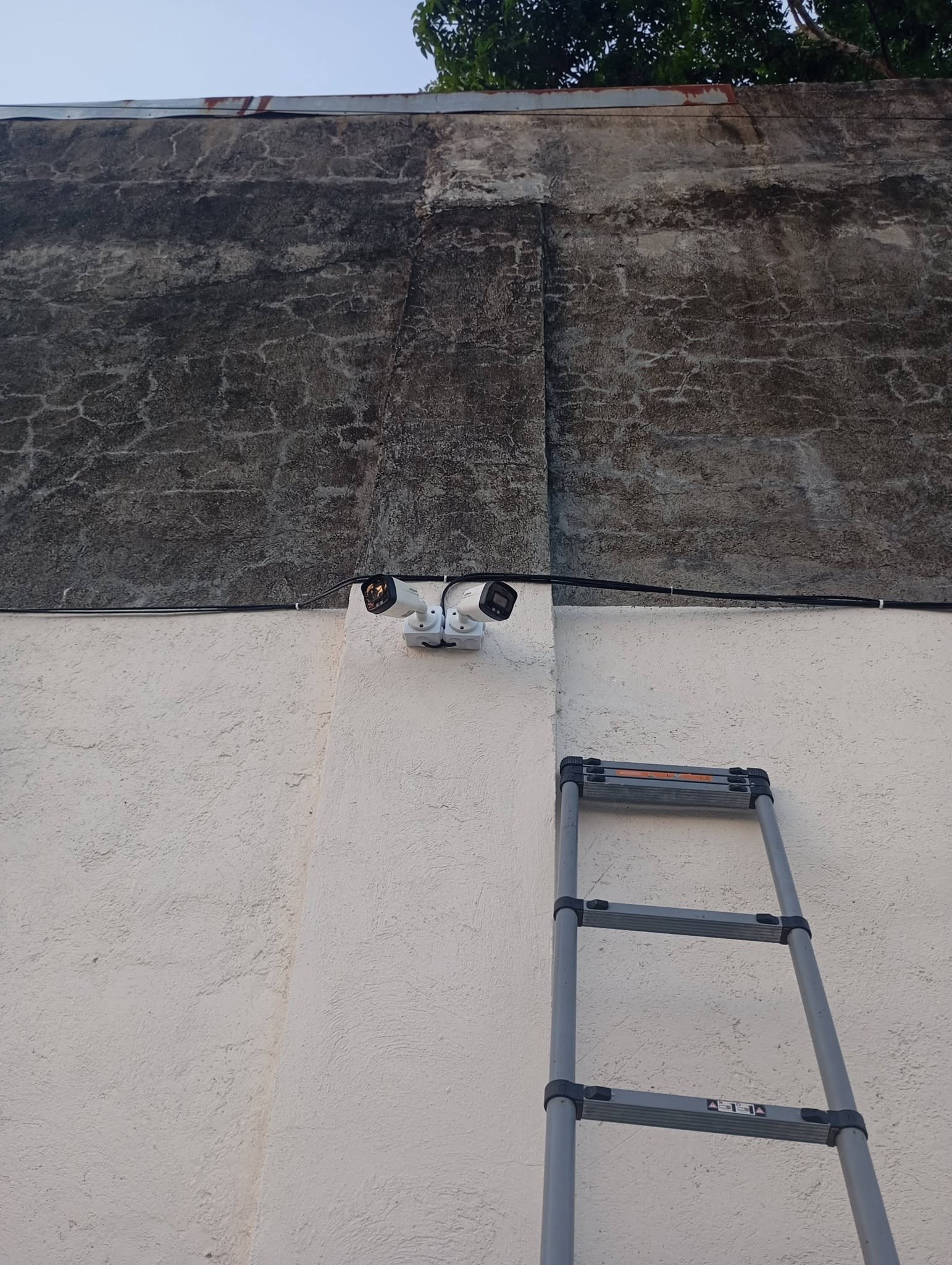
Professional installation includes selecting suitable cabling, securing connections, organising cable routes, and checking that equipment communicates reliably. IP camera systems may require appropriate network switches, sufficient bandwidth, and Power over Ethernet infrastructure. Wireless systems also need dependable signal coverage and secure network configuration. For businesses with several cameras, these technical considerations become particularly important because network performance can affect the entire surveillance system. Installers should test the connections and verify that all cameras remain accessible during normal operation. Neat cable management also makes future maintenance easier and reduces the risk of accidental disconnection. Investing in proper installation helps Melbourne property owners avoid preventable technical problems and supports more consistent surveillance performance.
5. Correct Recording Settings Protect Important Footage
A security camera is useful only if the system records and preserves footage as intended. Incorrect recording schedules, insufficient storage, inaccurate timestamps, or unsuitable motion detection settings can create problems when property owners need to review an incident.
Professional configuration helps ensure that the recording system matches the property’s requirements. Installers can recommend continuous recording, motion-triggered recording, or a combination of both. Storage capacity should be calculated according to camera count, resolution, frame rate, compression settings, and the required retention period. Correct timestamps are also essential because they help users locate relevant recordings quickly. Property owners should understand how to search video, export clips, and protect important footage from accidental deletion. Before completing the installation, the installer should confirm that every camera is recording properly and that saved footage can be retrieved. These steps turn a collection of cameras into a practical surveillance system that can support security monitoring and incident investigations.
6. Choosing the Right Security Cameras Installation Provider in Melbourne
Selecting a suitable installer is an important step towards achieving dependable security. Property owners should look for a provider that understands surveillance planning, camera technologies, networking, recording equipment, and the requirements of different property types. An experienced installer should assess the site, listen to the customer’s concerns, and recommend equipment based on actual security needs.
When comparing providers, review their installation experience, customer feedback, quotation details, warranty conditions, and after-sales support. Ask whether the proposed service includes camera positioning, cabling, system configuration, testing, and guidance on using the equipment. A detailed quotation makes it easier to compare providers because it identifies what is included in the price. Property owners researching CCTV installation Melbourne can use their specific security requirements as a starting point when evaluating available solutions. The most suitable provider is not necessarily the cheapest one. A well-planned installation, clear communication, and reliable support can provide greater long-term value than an inexpensive system that fails to meet the property’s requirements.
7. Combining CCTV Cameras With Alarm Systems
Security cameras and alarm systems can provide complementary forms of protection. CCTV allows property owners to view activity and review recorded footage, while alarm systems can alert them to certain security events. When selected and configured appropriately, these technologies can form part of a more comprehensive security strategy.
For example, a residential property may benefit from monitoring entrances alongside an alarm system, while a commercial building may require additional protection for storage areas and restricted-access locations. Compatibility should be checked before combining different devices because not every product supports the same integrations or features. Property owners considering a bosch alarm package can discuss how alarm technology might complement their surveillance requirements. The best approach depends on the property layout, budget, security risks, and preferred notification methods. Professional planning helps ensure that the cameras and alarms serve clear purposes without unnecessary duplication. By considering these technologies together, property owners can develop a more coordinated security solution.
8. Selecting Camera Brands and Features
Different security camera brands offer a range of specifications, features, and equipment options. However, selecting a camera should involve more than choosing a familiar brand or the highest available resolution. Property owners should consider image quality, lens selection, night vision, weather resistance, recording compatibility, software support, and the intended monitoring environment.
Professional installers can explain which features are relevant to a particular property. A driveway may require a different field of view from a retail counter, while a warehouse may need cameras capable of monitoring large spaces. Property owners exploring Dahua security Cameras can evaluate suitable options according to their coverage requirements, installation conditions, and recording needs. It is also important to consider whether the system can be expanded later. A suitable installation should accommodate current requirements while allowing practical upgrades if a business grows or additional areas need monitoring. Selecting equipment based on its intended use helps avoid unnecessary spending and improves the overall effectiveness of the surveillance system.
9. Remote Viewing and Mobile Access
Many modern CCTV systems support remote viewing through smartphones, tablets, and computers. This feature allows property owners to check live footage, review recordings, and receive supported notifications while away from their premises. Remote access can be particularly useful for business owners managing multiple locations or homeowners who travel regularly.
However, remote monitoring needs to be configured carefully. Installers should explain how to access the system, manage authorised users, create strong passwords, and keep software updated. Network configuration should also follow appropriate security practices to reduce the risk of unauthorised access. Before accepting the installation, test remote viewing using the devices you intend to use. Confirm that live video loads correctly and that recorded footage can be accessed when needed. Users should also understand any limitations relating to internet connectivity, mobile applications, and notification features. When configured correctly, remote access can make a CCTV system more convenient and help property owners stay informed about activity at their premises.
10. Protecting Privacy and Securing Recorded Data
Effective surveillance should protect property while respecting the privacy of neighbours, visitors, employees, and customers. Cameras that capture unnecessary areas outside the property or record sensitive spaces can create avoidable concerns. Careful camera placement and responsible access management are therefore important parts of a professional installation.
Property owners should consider who can view recordings, how footage is stored, and how long it is retained. Strong passwords, appropriate account permissions, secure remote access, and timely software updates can help protect recorded information. Businesses should also consider applicable Australian privacy laws and workplace surveillance requirements, depending on their circumstances and location. An installer can assist with practical camera positioning and system security, although legal advice may be needed for specific compliance questions. Clear internal procedures for accessing and sharing recordings can further reduce risks. A well-designed surveillance system balances security objectives with responsible data handling, helping property owners protect their premises without collecting more information than necessary.
11. Comparing Installation Costs and Long-Term Value
Price is an important consideration when choosing a CCTV installation service, but the lowest quote does not always provide the best value. Different proposals may include different camera models, recording equipment, storage capacities, cabling standards, configuration services, and warranty arrangements. Comparing only the final price can therefore lead to an unfair assessment.
Request a detailed quotation that identifies the equipment, installation work, recording capacity, remote access configuration, testing, and after-sales support. Ask whether additional costs may apply for difficult cable routes, extra network equipment, or future maintenance. It is also worth considering the potential cost of replacing unreliable equipment or paying for repeat installation work. A properly designed system should meet the property’s needs without unnecessary extras. Security Cameras Installation should focus on delivering a practical balance between equipment quality, workmanship, and budget. By evaluating the complete service rather than simply counting cameras, Melbourne property owners can make better-informed purchasing decisions and avoid paying for features that do not contribute meaningfully to their security requirements.
12. Maintenance and After-Sales Support
Even a professionally installed CCTV system requires occasional maintenance. Dust, cobwebs, vegetation, weather exposure, changing network settings, and software issues can affect performance over time. Regular checks help identify problems before they leave important areas without effective monitoring.
Property owners should periodically inspect camera views, verify that recordings are being saved, check storage capacity, and confirm that remote access remains available. Outdoor cameras may require lens cleaning, while software and firmware updates should be managed according to the manufacturer’s recommendations. Ask the installer whether technical support, maintenance visits, and troubleshooting services are available after installation. It is also helpful to keep records of equipment models, warranty information, and relevant system documentation. A provider that explains maintenance requirements and offers appropriate support can make the system easier to manage throughout its lifespan. Reliable after-sales service is particularly valuable for businesses that depend on CCTV for daily operations and cannot afford prolonged interruptions.
13. Final Checklist Before Installing CCTV in Melbourne
Before proceeding with an installation, identify the areas that require monitoring and decide what you need the system to achieve. Consider whether your priority is deterring unwanted activity, monitoring entrances, protecting stock, observing parking areas, or reviewing incidents after they occur. These goals will help determine the appropriate equipment and camera layout.
Ask the installer to explain how blind spots will be reduced, how cameras will perform in low light, and how much footage the recording system can retain. Confirm whether remote viewing, mobile access, testing, warranties, and user training are included. Check that the proposed equipment is suitable for the environment and can be expanded if your needs change. Finally, compare quotations based on the full service rather than price alone. A clear plan makes it easier to evaluate providers and understand the value of the proposed installation. Taking these steps can help homeowners and businesses in Melbourne invest in a surveillance solution designed for reliable everyday use.
Conclusion: Professional Installation Makes the Difference
Camera specifications are important, but they are only one part of an effective security system. Poor positioning, inadequate lighting, unreliable connections, incorrect recording settings, and weak network security can undermine even expensive equipment. Professional installation brings these elements together by ensuring that the system is designed around the property’s layout and security requirements.
For Melbourne homeowners and businesses, choosing an experienced installation provider can help improve coverage, reduce avoidable technical problems, and support reliable recording. Security Cameras Installation should involve careful planning, appropriate equipment selection, professional workmanship, thorough testing, and ongoing support. Before choosing a provider, compare experience, quotation details, warranty conditions, and the services included in the installation. By prioritising the complete system rather than camera quality alone, property owners can make a more informed investment in their long-term security.
Frequently Asked Questions
1. Why is professional CCTV installation important?
Professional installation helps ensure suitable camera placement, reduced blind spots, reliable connections, correct recording settings, and dependable performance.
2. Are expensive security cameras always better?
No. Camera specifications matter, but positioning, lighting, network reliability, and configuration also influence image quality and overall effectiveness.
3. How many cameras does my property need?
The number depends on the property’s size, layout, access points, and security objectives. A site assessment can help determine suitable coverage.
4. Can CCTV cameras be accessed remotely?
Many modern systems support remote viewing through compatible smartphones, tablets, and computers, provided the system and network are configured correctly.
5. Can CCTV work with an alarm system?
Yes, compatible systems can complement each other by combining video monitoring with alarm notifications. Compatibility should be checked before installation.
6. Does a CCTV system need maintenance?
Yes. Periodic checks help identify dirty lenses, recording problems, network issues, insufficient storage, and software updates that may be required.
If you would like to post a free guest post, visit mydailyblog to learn more.