In high-stakes industrial environments like the turbine industry, every component in a control system plays a vital role. Among the most important is the programmable logic controller (PLC), which serves as the brain behind turbine operation—handling everything from startup sequences to real-time monitoring and emergency shutdowns.
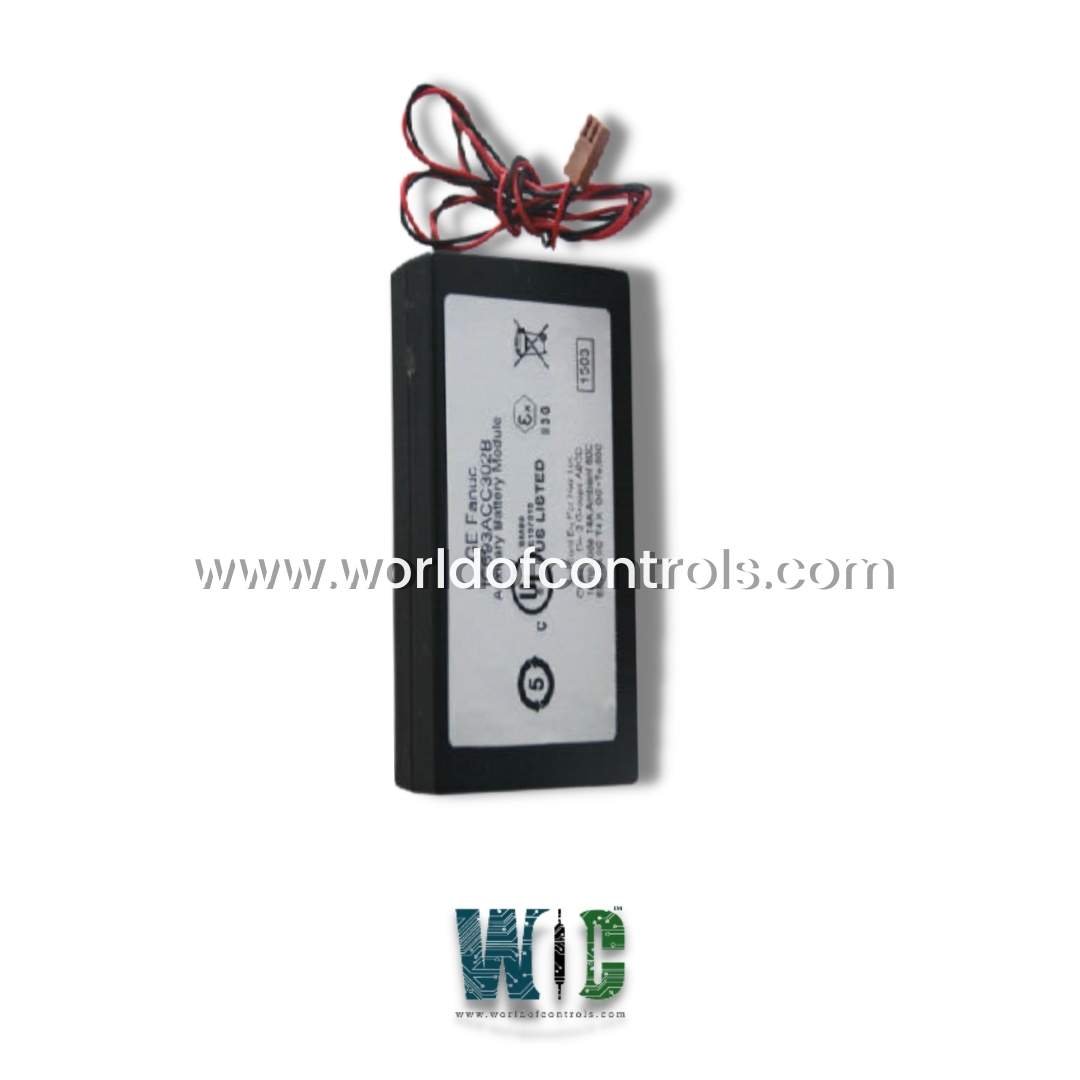
While GE PLCs are renowned for their durability and performance, there’s one often-overlooked accessory that significantly enhances their reliability: the auxiliary battery module. This small device can be the difference between a smooth system recovery and a costly disruption.
The Critical Role of PLCs in Turbine Control
Turbines—used in power generation, manufacturing, and energy-intensive industries—require precise and continuous control. GE PLCs have become a popular choice in this sector due to their modularity, real-time processing capabilities, and ease of integration with other automation systems.
However, PLCs are only as reliable as their weakest link. While the main controller may operate flawlessly under ideal conditions, sudden power outages or voltage fluctuations can pose a threat to system memory, configuration settings, and operational data stored in volatile memory.
This is where the auxiliary battery module becomes essential.
What Is an Auxiliary Battery Module?
An auxiliary battery module is a backup power source designed specifically to maintain critical memory and system time in the event of a power failure. Installed within the PLC enclosure, it ensures that important data—such as operational parameters, fault logs, and runtime counters—remains intact during power loss.
Without this module, a power failure could erase volatile memory, requiring manual reconfiguration, delaying system restarts, and increasing the risk of operational errors or equipment damage.
Why It’s Crucial in Turbine Applications
1. Preserving Critical Data
In turbine control systems, every second counts. Whether it’s data related to shaft speed, pressure, temperature, or alarm history, preserving information through power interruptions is vital for safe and efficient operation. An auxiliary battery module ensures all this data remains available upon restart.
2. Reducing Downtime
Unscheduled downtime in turbine systems can lead to enormous financial losses and potential damage to equipment. By keeping memory contents intact, the battery module allows the PLC to resume operations more quickly and without the need for reprogramming or manual resets.
3. Enhancing Safety and Compliance
Turbine systems often operate under strict safety and environmental regulations. The auxiliary battery module helps ensure continuous logging of critical events and system performance, supporting compliance and traceability even during electrical disturbances.
4. Ideal for Remote and Harsh Environments
Many turbines—especially wind and hydro—are located in remote or harsh environments. In such conditions, quick access for maintenance is not always possible. The long-lasting nature of an auxiliary battery module reduces the need for frequent servicing and supports uninterrupted operation over extended periods.
Features That Matter
A quality auxiliary battery module typically includes:
- Long Battery Life: Designed to last for several years without replacement.
- Easy Installation: Plug-and-play compatibility with GE PLCs, requiring no additional configuration.
- Reliable Power Output: Stable voltage to support memory retention in all operating conditions.
- Compact Form Factor: Fits within standard PLC enclosures without occupying valuable I/O space.
These features make the module a cost-effective investment in operational stability and risk mitigation.
Conclusion
While the auxiliary battery module may seem like a minor component in the broader PLC ecosystem, its value is undeniable—particularly in high-demand industries like turbine control. It ensures that GE PLCs can weather power interruptions without losing vital data or functionality, helping protect both assets and uptime.
In a field where reliability is everything, the auxiliary battery module isn’t just a helpful addition—it’s a necessity.