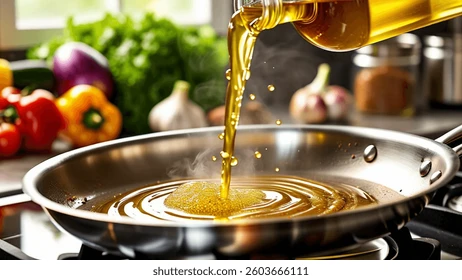
If you have ever noticed that oil feels more expensive right before Ramadan or during wedding season, you are not imagining it. The Cooking oil price in Pakistan does not move at a steady pace throughout the year; instead, it rises and falls in patterns that are closely tied to the calendar. Understanding why this happens can help households plan their purchases more wisely, instead of being caught off guard when rates suddenly climb. This guest post explores the seasonal forces behind these price shifts and explains how Eva continues to offer dependable quality even as the market around it moves up and down.
The Link Between Festive Seasons and Rising Demand
One of the clearest patterns behind the cooking oil price in Pakistan is how closely it follows religious and social occasions. During Ramadan, cooking habits change significantly, with households preparing larger meals for iftar and suhoor, which naturally increases the volume of oil used across the country. Wedding season brings a similar effect, since large family gatherings and catering services require far greater quantities than everyday cooking. When demand rises sharply within a short window, supply chains struggle to keep pace, and retailers often adjust prices upward to reflect the pressure. This is not unique to Pakistan, but the scale of the increase tends to be more noticeable here because oil is such a central part of most traditional dishes.
How Traders Respond to Predictable Demand Spikes
Interestingly, part of the seasonal price movement comes not from actual shortages but from how traders and distributors anticipate demand. Ahead of major buying periods, some suppliers hold back stock, expecting that prices will rise once demand peaks, which in turn creates the very shortage they were preparing for. This behaviour, sometimes described as pre-emptive stocking, adds an extra layer of volatility on top of the natural increase in consumption. Consumers often feel this most sharply in the days leading up to a festival, when shelves may look thinner and prices tick upward even before the actual surge in cooking begins. Recognising this pattern can help shoppers time their purchases a little earlier, before the anticipation itself starts driving costs higher.
Weather, Harvests, and Global Supply Timing
Since Pakistan relies heavily on imported palm oil and soybean oil, retail rates are also shaped by harvest cycles in countries like Malaysia and Indonesia, which are major global suppliers. When harvests are delayed due to weather conditions or when export policies shift in these countries, the ripple effect reaches Pakistani markets within weeks. Locally grown oilseeds, such as canola and sunflower, are also affected by domestic weather patterns, and a weaker harvest season can tighten supply just as demand is rising. This overlap between international harvest timing and local seasonal demand is one of the less visible reasons why the cooking oil price in Pakistan does not move in a simple, predictable straight line.
Budget Announcements and Their Seasonal Timing
Government budget announcements, which typically arrive around the middle of the year, add another layer to this seasonal pattern. Traders and retailers often adjust prices in anticipation of new taxes or duties before the budget is even finalised, which means consumers sometimes see an increase weeks before any policy change officially takes effect. Once the budget is announced, if new duties or levies are introduced, another adjustment often follows shortly after. This creates a two-stage seasonal effect around the middle of the year, separate from the religious and social demand spikes seen during Ramadan or wedding season, and it catches many households by surprise if they are not paying close attention to the news cycle.
Winter Cooking Habits and Regional Differences
Beyond festivals and budgets, ordinary seasonal cooking habits also play a quiet role in shaping demand. Winter months often bring an increase in fried and richer food preparation, particularly in colder regions of the country, which slightly raises oil consumption compared to the warmer months. While this effect is smaller than the spikes seen during Ramadan, it still contributes to the overall pattern of rising and falling demand throughout the year. Regional cooking preferences also mean that some provinces feel these seasonal shifts more strongly than others, depending on local dietary habits and the types of oil most commonly used in traditional recipes.
How Eva Maintains Consistency Through Seasonal Swings
While the broader market experiences these seasonal ups and downs, Eva has worked to offer a level of consistency that many households have come to rely on. Produced by Eva Foods (Pvt) Ltd., formerly known as Shujabad Agro Industries, the brand’s sunflower oil, canola oil, and VTF Banaspati are backed by structured food safety practices and quality certifications that do not change with the season. This kind of steady approach matters most during high-demand periods, when consumers are more vulnerable to inconsistent quality from suppliers trying to cut corners under pressure. Eva’s continued presence across major retail outlets, along with its transparent communication through the “Ask Eva” platform, gives households a dependable option even when the wider market feels unpredictable.
Planning Ahead as a Smart Consumer Habit
Given how predictable these seasonal patterns have become over the years, households can take practical steps to reduce the impact on their budgets. Buying a little earlier than usual before Ramadan or wedding season, rather than waiting until demand peaks, often means paying noticeably less for the same quantity. Keeping an eye on budget announcement timelines and making key purchases before mid-year policy changes take effect is another simple way to stay ahead of sudden increases. These small planning habits, combined with choosing a reliable brand, can make a meaningful difference across a full year of grocery spending.
Final Thoughts
The cooking oil price in Pakistan rarely moves for just one reason; it responds to a layered mix of festive demand, trader behaviour, global harvest timing, government policy, and everyday seasonal cooking habits. Recognising these patterns turns price changes from a source of frustration into something households can actually plan around. Choosing a brand like Eva, known for maintaining consistent quality regardless of seasonal pressure, gives families one less variable to worry about while navigating a market that continues to shift throughout the year.