
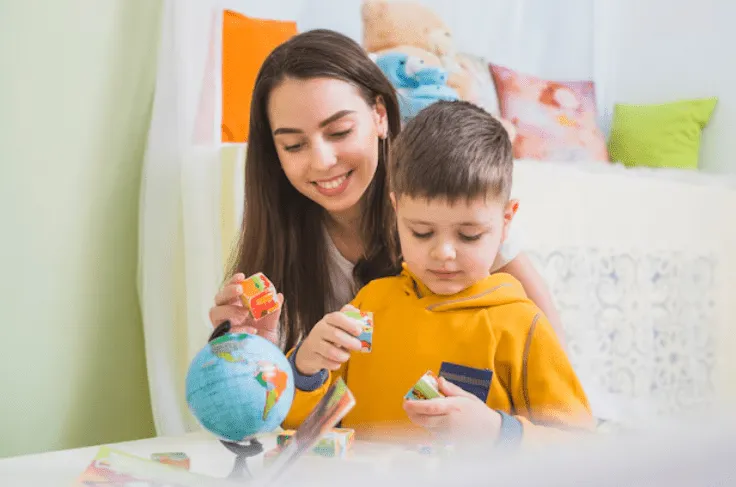
Young children learn about the world through everyday experiences, familiar activities and interactions with the people around them. Having a consistent daily routine helps them understand what to expect throughout the day and provides a sense of security as they grow and develop.
From waking up in the morning and enjoying breakfast to participating in play activities, resting and spending time with others, everyday routines create valuable learning opportunities. These experiences help children gradually develop independence, confidence, responsibility and healthy habits.
In early childhood education, routines are not simply about following a schedule. They also provide opportunities for children to practise important life skills, understand expectations and become more comfortable with their surroundings. A balanced routine that allows time for learning, play, rest and exploration can contribute positively to a child’s overall development.
1. Creates a Sense of Security and Stability
Young children feel more comfortable when they know what is likely to happen next. Consistent routines create familiarity and help reduce uncertainty, particularly when children are adjusting to new environments.
For example, following a familiar sequence of activities such as arrival, morning play, meals, outdoor activities and rest helps children understand how their day is organised.
When children become familiar with these patterns, they may feel more confident participating in daily activities. Predictability can also make transitions between activities easier to manage.
A supportive environment with consistent routines allows children to develop trust in their surroundings and the people caring for them.
2. Encourages Independence and Self-Confidence
Daily routines provide opportunities for children to practise everyday tasks independently.
Simple activities such as putting away toys, washing hands, choosing learning materials and preparing for mealtimes help children understand that they can take responsibility for small tasks.
Initially, children may need guidance and encouragement from parents or educators. With regular practice, they gradually become more confident completing familiar activities.
For example, a child who learns to pack away their toys after playtime begins to understand responsibility and organisation.
These small achievements contribute to a stronger sense of independence and encourage children to participate more actively in their daily experiences.
3. Supports Emotional Development and Self-Regulation
Learning to recognise and manage emotions is an important part of early childhood development.
Consistent routines help children understand expectations and prepare for changes throughout the day. Knowing when playtime finishes, when meals are served and when rest periods begin can make everyday transitions more manageable.
For example, giving children a gentle reminder before moving from outdoor play to an indoor activity allows them time to prepare for the change.
Educators and parents can also use these moments to help children identify their feelings and practise appropriate responses.
Over time, familiar routines can support patience, emotional awareness and self-regulation.
4. Develops Healthy Eating and Personal Hygiene Habits
Early childhood is an important period for establishing healthy everyday habits.
Regular mealtimes provide opportunities for children to become familiar with nutritious foods, practise eating independently and develop positive relationships with food.
Similarly, including hygiene activities throughout the day helps children understand the importance of personal care.
Some useful daily habits include:
- Washing hands before eating and after outdoor play.
- Brushing teeth as part of morning and bedtime routines.
- Using appropriate hygiene practices.
- Drinking water regularly.
- Learning to use utensils during meals.
- Keeping personal belongings and play areas organised.
When these activities become part of everyday life, children gradually develop greater awareness of their health and wellbeing.
5. Improves Communication and Language Development
Daily routines create natural opportunities for children to develop their communication skills.
Simple conversations during mealtimes, play activities, storytelling and everyday transitions introduce new words and encourage children to express their thoughts.
For example, educators can talk about different foods during lunch, describe objects during play or ask children to explain what they have created.
These interactions help children practise listening, understand instructions, expand their vocabulary and communicate their needs.
Reading books, singing songs and discussing familiar activities can also strengthen language development.
Regular conversations with familiar adults help children become more comfortable expressing themselves and participating in group discussions.
6. Encourages Social Skills and Positive Relationships
Routines in early childhood settings often involve opportunities for children to participate in shared activities.
Group play, mealtimes, storytelling and packing-away activities help children understand how to interact with others.
Through these everyday experiences, children begin learning how to:
- Share toys and resources.
- Wait for their turn.
- Follow simple instructions.
- Respect other children’s needs.
- Cooperate during group activities.
- Participate in shared responsibilities.
These interactions help children develop communication, cooperation and respect for others.
Small-group learning environments can provide valuable opportunities for educators to guide children through these social experiences while recognising their individual developmental needs.
7. Supports Better Sleep and Rest Habits
Rest is essential for young children’s physical growth, emotional wellbeing and ability to participate in learning activities.
A consistent sleep routine helps children become familiar with their resting periods and understand when it is time to relax.
At home, parents can establish calming bedtime habits such as reading a story, reducing screen exposure and maintaining a regular bedtime.
During the day, quiet activities and appropriate rest opportunities allow children to take a break from active play.
Children have different sleep and rest requirements depending on their age and individual needs. Recognising these differences is important when creating a balanced daily routine.
8. Makes Transitions Between Activities Easier
Moving from one activity to another can sometimes be challenging for young children, particularly when they are enjoying what they are doing.
Consistent routines help children become familiar with daily transitions and understand what comes next.
For example, educators may use songs, verbal reminders or visual cues to signal that playtime is finishing and it is time to prepare for lunch.
These approaches give children an opportunity to adjust rather than experiencing unexpected changes.
With regular practice, children can become more comfortable moving between activities and following everyday expectations.
9. Builds Responsibility and Everyday Life Skills
Children develop important practical skills through repeated participation in daily activities.
Tasks such as arranging learning materials, helping tidy up, carrying their belongings and following simple instructions introduce responsibility in age-appropriate ways.
These experiences help children understand that they can contribute to their surroundings and take part in everyday responsibilities.
For instance, asking children to return books to a shelf after reading encourages organisation and care for shared resources.
Such activities may appear simple, but they provide valuable foundations for independence and practical life skills as children grow.
10. Creates More Opportunities for Meaningful Learning
A well-planned routine provides a balance between structured experiences and opportunities for children to explore independently.
Play-based activities can be included throughout the day to encourage creativity, curiosity and problem-solving.
For example:
- Morning activities: Drawing, puzzles, building blocks and storytelling.
- Outdoor experiences: Running, balancing, nature exploration and movement games.
- Creative sessions: Painting, music, craft and imaginative play.
- Group experiences: Songs, shared stories and interactive games.
- Quiet periods: Reading, sensory activities and relaxation.
These experiences support different areas of development while allowing children to learn through activities that interest them.
The Early Years Learning Framework (EYLF) recognises the importance of responsive learning environments that support children’s identity, wellbeing, connection, learning and communication.
The Role of Educators in Establishing Positive Daily Routines
Educators play an important role in helping young children become familiar with daily routines. A consistent approach allows children to understand expectations while providing opportunities to develop independence and confidence.
At First Idea Family Day Care, daily experiences can incorporate play, exploration, social interaction, creative activities and age-appropriate routines.
A home-based learning environment with small groups can provide opportunities for educators to observe children’s individual needs and support their development through everyday interactions.
Working together with families is also important. When parents share information about their child’s sleep patterns, eating habits, interests and familiar routines, educators can provide more consistent support.
However, routines should remain flexible enough to accommodate children’s individual needs, developmental stages and unexpected changes.
Creating a Balanced Daily Routine for Young Children
A positive routine does not need to follow a strict timetable. Instead, it should provide a predictable structure while allowing enough flexibility for children’s interests, energy levels and learning needs.
Families and educators can consider including the following elements:
- Morning preparation: Allow children time to wake up, get dressed and enjoy breakfast without unnecessary rushing.
- Learning through play: Include activities that encourage creativity, communication and exploration.
- Outdoor movement: Provide opportunities for physical activity and discovering the natural environment.
- Regular mealtimes: Encourage healthy eating habits and independent participation.
- Rest and relaxation: Allow quiet periods and age-appropriate rest opportunities.
- Social experiences: Include opportunities to interact, share and participate in group activities.
- Evening preparation: Establish calming activities that help children prepare for bedtime.
The most effective routine is one that supports children’s wellbeing without placing unnecessary pressure on them.
Supporting Early Learning Through First Idea Family Day Care
First Idea Family Day Care recognises the importance of providing positive early learning experiences that support children’s overall development.
Through a home-based setting, small-group learning and play-based activities, children have opportunities to develop practical skills, build relationships and explore their interests.
Families looking for kids early learning Lyndhurst can explore how a supportive learning environment can encourage independence, communication, social development and confidence during the early years.
Parents can also learn more about family day care Lyndhurst and explore childcare options in nearby communities, including family day care Dandenong, family day care Clyde and family day care Cranbourne.
Providing familiar routines alongside opportunities for play and exploration helps children become more comfortable in their learning environment. With encouragement from educators and families, these everyday experiences can support important developmental milestones.
Conclusion
Consistent daily routines play an important role in helping young children feel secure, develop independence and establish healthy habits. They also create opportunities to strengthen communication, emotional awareness, social skills and practical abilities.
By combining predictable activities with flexible learning experiences, parents and educators can create an environment where children feel supported and confident to explore.
At First Idea Family Day Care, everyday routines and meaningful play experiences can contribute to a positive early learning journey, helping children develop essential skills that support their future growth and wellbeing.