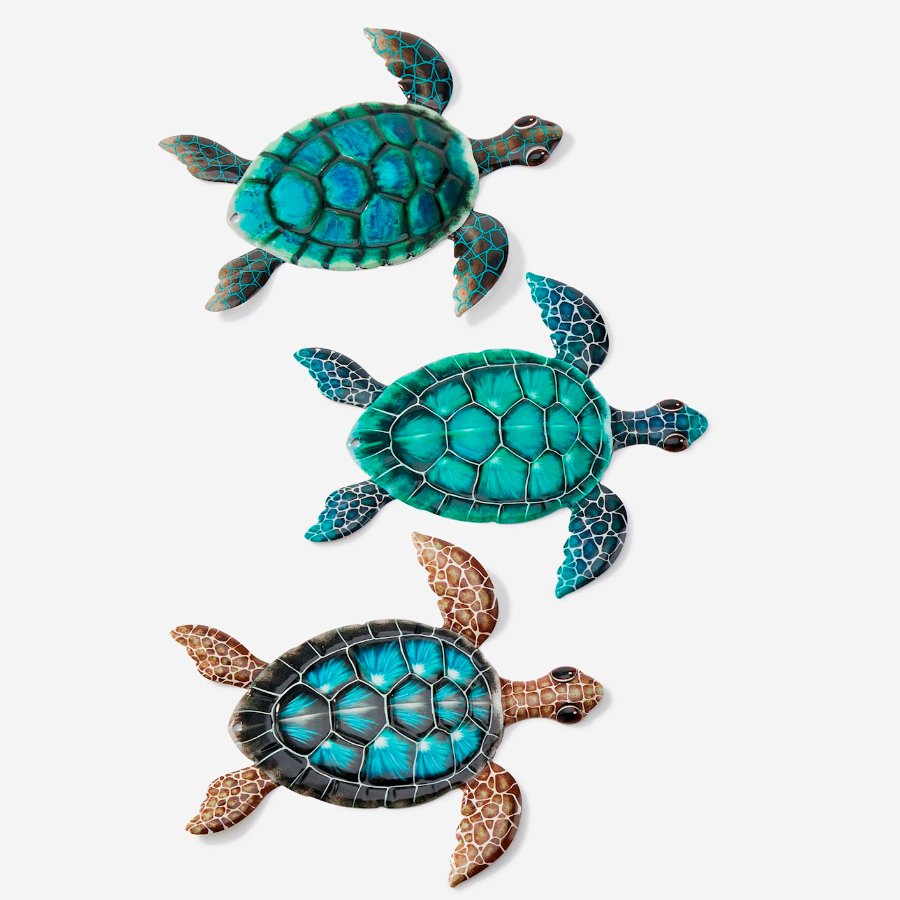
Finding a memorable gift for someone who adores the ocean often leads shoppers down aisles of mass-produced plastic shells and generic printed signs. True maritime charm comes from authentic materials shaped by skilled hands, much like the traditional handcrafted coastal creations in Massachusetts that capture the rugged beauty of the Atlantic shoreline. Choosing artisan-made pieces brings genuine texture, history, and coastal warmth into a recipient’s living space without relying on tired beach clichés.
Why Artisan Coastal Gifts Outshine Mass-Produced Decor
Mass-produced beach decor frequently relies on synthetic resins, factory-printed distressing, and bright turquoise paints that feel disconnected from real shoreline environments. When you gift an item crafted by a working artisan, you give an object with natural variation, tactile weight, and durability. No two pieces of tumbled sea glass, hand-thrown stoneware, or carved driftwood share the exact same silhouette or surface grain.
For homeowners and interior enthusiasts, subtle authenticity matters far more than loud nautical motifs. A hand-woven sailor’s knot doorstop or a stoneware bowl glazed in soft seafoam tones integrates effortlessly into living rooms, entryways, and sunlit kitchens. These pieces act as functional art rather than seasonal novelties, ensuring the recipient displays them year-round instead of packing them away at the end of August.
Top Handcrafted Coastal Creations for Every Space
Selecting the right gift becomes much easier when you match the artisan medium to the recipient’s personal style and home layout. Different coastal regions inspire distinct craft traditions, ranging from New England maritime woodworking to Pacific driftwood sculpture and Gulf Coast shell artistry.
1. Resin and Hardwood Serving Boards
Artisan woodworkers frequently pair sustainably harvested hardwoods—such as black walnut, cherry, or maple—with tinted epoxy resin poured to mimic breaking ocean waves. The maker layers white pigment over deep cobalt or teal resin and uses heat to create delicate, lacy foam patterns along the wood’s live edge.
These boards serve double duty as practical charcuterie platters and lean-against-the-backsplash kitchen art. When shopping for resin and wood pieces, look for makers who finish the wood surface with food-safe mineral oil and beeswax rather than harsh chemical lacquers. This ensures the board remains safe for serving cheeses, fruits, and breads while resisting moisture damage.
2. Genuine Sea Glass Jewelry and Window Hangings
Authentic sea glass begins as discarded bottles and tableware tossed into the ocean decades ago. Over twenty to fifty years, waves, sand, and salt water tumble the shards until their sharp edges soften into smooth, frosted gems. Artisans collect these weathered pieces along rocky coves and set them in sterling silver bezels, copper wire wraps, or driftwood mobiles.
Because genuine sea glass is becoming rarer due to modern plastic packaging, authentic pieces hold real sentimental and material value. Rare colors like cobalt blue, aqua, and red make unforgettable wearable gifts, while larger frosted whites and greens work wonderfully in suncatchers that cast soft, aquatic light across a sunroom.
3. Hand-Thrown Coastal Pottery and Stoneware
Ceramic artists living near the coast often draw directly from their surroundings, incorporating local beach sand into clay bodies or formulating glazes that mirror tidal pools, oyster shells, and wet granite. Heavy stoneware mugs, fluted berry bowls, and textured vases bring an organic, grounded feel to coastal dining tables.
High-fired stoneware offers exceptional durability for everyday use. Unlike delicate porcelain, thick-walled coastal pottery retains heat well for morning coffee and withstands daily dishwashing when glazed properly. Gifting a pair of handmade mugs or a centerpiece serving bowl provides a daily tactile reminder of the sea.
4. Traditional Maritime Rope Work and Knotting
Long before synthetic cordage existed, sailors relied on intricate rope work to secure cargo, protect wooden hulls, and fashion durable onboard tools. Modern fiber artists keep these heritage techniques alive by crafting heavy cotton or hemp monkey-fist doorstops, Turk’s head bracelets, and woven nautical coasters.
Natural unbleached cotton and manila hemp bring warm, neutral textures that balance crisp white walls and blue upholstery. A weighted rope doorstop is particularly practical for coastal homes, where open windows and strong ocean breezes frequently slam interior doors shut.
5. Reclaimed Driftwood Sculptures and Mirror Frames
Saltwater and sun bleach fallen trees into silvery, smooth driftwood with sculptural twists that no carving tool could replicate. Skilled makers clean, kiln-dry, and assemble these weathered branches into mirror frames, candleholders, and wall-mounted coat racks.
Driftwood pieces introduce vertical height and organic lines to rooms dominated by straight architectural angles. A driftwood-framed mirror placed in a narrow hallway reflects natural light while immediately establishing a relaxed, coastal atmosphere.
6. Custom Nautical Chart Art and Bathymetric Wood Maps
For boaters, anglers, or families with a beloved vacation town, custom nautical chart art turns geography into personal storytelling. Makers use precision laser cutters to layer thin sheets of Baltic birch plywood, replicating the underwater depth contours (bathymetry) of specific bays, harbors, and islands.
The recessed water layers are typically stained in graduating shades of blue, while the land masses remain natural wood engraved with street grids, landmarks, and depth soundings. Framing a bathymetric map of the exact cove where a couple got engaged or spent childhood summers creates a deeply personal heirloom.
7. Hand-Poured Soy Candles in Coastal Vessels
Scent triggers memory faster than almost any other sense, making coastal candles an accessible yet thoughtful gift. Independent chandlers blend essential oils like sea salt, crushed sage, driftwood, kelp, and beach rose into clean-burning soy or coconut wax.
To elevate the gift beyond a standard glass jar, look for candles poured into reusable vessels such as real scallop shells, concrete bowls, or hand-thrown ceramic tumblers. Once the wax burns down, the recipient can wash out the container and repurpose it as a ring dish or succulent planter.
Comparing Popular Handcrafted Coastal Gift Materials
Choosing between different artisan mediums often comes down to maintenance requirements, budget, and where the recipient will place the item. The table below outlines the key characteristics of popular materials used in coastal craftsmanship to help you match the right piece to your recipient’s lifestyle.
Material Guide for Artisan Coastal Gifts
| Material Type | Best Uses in Home Decor | Maintenance & Care | Ideal Recipient Profile |
|---|---|---|---|
| Hardwood & Ocean Resin | Charcuterie boards, coasters, side tables | Hand wash only; re-oil wood periodically with mineral oil | Home entertainers, hosts, and avid cooks |
| Tumbled Sea Glass | Pendants, suncatchers, mosaic frames | Wipe gently with a damp cloth; avoid ultrasonic jewelry cleaners | Collectors, beachcombers, and jewelry lovers |
| High-Fired Stoneware | Coffee mugs, serving bowls, flower vases | Dishwasher and microwave safe (unless metallic glaze is used) | Everyday minimalists who appreciate functional art |
| Natural Cotton & Hemp Rope | Doorstops, woven mats, keychains, baskets | Spot clean with mild soap; keep dry to prevent mildew | Traditionalists and lovers of classic nautical heritage |
| Kiln-Dried Driftwood | Wall mirrors, coat racks, table centerpieces | Dust with a soft dry brush; keep away from direct heat vents | Nature enthusiasts and fans of organic, rustic textures |
| Layered Birch Wood (Maps) | Framed wall art, topographic trays | Dust glass or wood surface lightly; avoid high humidity | Boaters, travelers, and sentimental homeowners |
As shown in the comparison above, functional kitchenware like stoneware and resin boards suits hosts who love entertaining, while low-maintenance items like bathymetric wood maps work best for recipients who prefer decorative wall pieces.
How to Spot Authentic Handcrafted Quality
Because coastal decor is wildly popular, mass-market retailers frequently mimic the look of handmade goods using molds and synthetic materials. Knowing how to inspect an item ensures your gift money supports real makers rather than factory imitations.
Check for Natural Imperfections
Genuine handmade items show subtle signs of the human hand and raw materials. In hand-thrown pottery, you will often notice faint throwing rings along the interior wall or slight variations in rim thickness. With real sea glass, the surface should have a uniform, frosty texture with tiny C-shaped impact marks rather than a shiny, artificially acid-etched finish.
Ask About Material Sourcing
Reputable coastal artisans take pride in where their materials originate. Many makers collect their own driftwood after winter storms, source oyster shells from local restaurants for recycling into crafts, or harvest clay and sand regionally. Reading the maker’s product description or artist statement usually reveals these details right away.
Inspect Joinery and Finishes
High-quality craftsmanship shows in the areas people rarely look at first. Flip a wooden serving board over to check that the underside is sanded as smoothly as the top. Examine the back of a framed nautical map or driftwood mirror to verify that sturdy hanging hardware is securely installed rather than glued on hastily.
Matching the Gift to Coastal Interior Styles
Coastal design is not a single uniform look; it spans several distinct decorating approaches. Tailoring your gift to the recipient’s existing home aesthetic guarantees the piece will feel right at home.
- New England Maritime: Characterized by navy blue, crisp white, brass accents, and weathered wood. Traditional rope doorstops, custom harbor maps, and scrimshaw-style engravings fit seamlessly into these classic interiors.
- Modern Organic Coastal: Focuses on warm neutrals, sandy beiges, matte ceramics, and uncluttered surfaces. Unbleached woven wall hangings, stoneware vases with raw clay bases, and pale bleached driftwood sculptures complement this serene style.
- Cottage and Beachcomber: Embraces soft pastels, vintage finds, and collected treasures. Sea glass suncatchers, hand-painted oyster shell trinket dishes, and botanical pressed-seaweed prints add charm to relaxed cottage spaces.
Caring for Natural Coastal Materials
Organic materials brought indoors still respond to changes in temperature and humidity. Including a brief care note with your gift helps the recipient keep their handcrafted piece looking vibrant for decades.
Wooden items—including driftwood sculptures, laser-cut maps, and hardwood serving boards—should stay out of prolonged direct sunlight and away from radiator vents, which can dry out wood fibers and cause hairline cracks. For resin art, remind the recipient never to place hot pans directly onto the surface or run resin-coated boards through a dishwasher, as high heat can soften epoxy and warp wood.
Conclusion
Choosing handcrafted coastal creations turns an ordinary present into a lasting piece of functional art that celebrates a love for the sea. Rather than settling for mass-produced souvenirs that quickly lose their appeal, investing in artisan stoneware, genuine sea glass, custom bathymetric maps, or maritime rope work delivers authentic texture and craftsmanship. By matching the material and design style to your recipient’s home and daily habits, you give a meaningful keepsake that brings the calm, restorative spirit of the shoreline indoors all year long.
Frequently Asked Questions
How can I tell if sea glass in a handmade gift is real or artificially tumbled?
Genuine ocean-tumbled sea glass features a naturally frosted, matte surface that becomes translucent when wet, along with tiny crescent-shaped pits caused by years of tumbling against rocks. Artificially tumbled glass often looks overly uniform in thickness, retains sharp edges in crevices, or displays an unnatural, chalky white coating from acid etching.
Are resin and wood coastal serving boards safe for food?
Yes, provided the maker uses FDA-compliant, food-safe epoxy resin and finishes the exposed wood with food-grade oils like mineral oil or beeswax. However, resin is soft enough to scratch easily, so recipients should slice food on a separate cutting board and use the resin board strictly for serving and presentation.
What is the best handcrafted coastal gift for someone with limited shelf space?
Practical, everyday items work best for small spaces or minimalist homes. Consider a pair of hand-thrown coastal stoneware mugs, a set of woven nautical rope coasters, a custom harbor chart keychain, or a pair of sterling silver sea glass stud earrings.
How do I keep driftwood decor clean without damaging the wood?
Avoid soaking driftwood in water or using liquid furniture polish, which can darken the sun-bleached silver patina and raise the wood grain. Instead, use a soft dry paintbrush, a microfiber cloth, or a can of compressed air to gently remove dust from crevices.
Why do handcrafted coastal gifts cost more than store-bought beach decor?
Artisan coastal pieces reflect hours of skilled labor, small-batch material sourcing, and specialized equipment such as ceramic kilns, laser cutters, or lapidary grinders. Unlike factory-molded items produced by the thousands, each handcrafted piece requires individual shaping, finishing, and quality inspection.